Humanoid robotics reporting and research for industry teams, investors and early adopters. Compare competitors, commercial evidence and demonstrated capabilities.
Research for your next question
For robotics companies
Track competitors by robot generation, deployment stage, stated specifications and source-backed task results.
Introduction
By 2025–26 humanoid robotics companies have moved from spectacle to sales conversations: high-profile demos and research pilots are being converted into commercial contracts and recurrin...
Latest reporting
Most recent article: 2026-11-18. Articles without source links are unverified archive material, not decision-grade evidence.
AI-assisted source briefing. Boston Dynamics outlines how its Orbit platform and Spot robot are being used to connect inspection data with enterprise systems to enable automated alerts, targeted inspections, and asset-centric reporting.
AI-assisted source briefing. Boston Dynamics retrofitted wheels onto Atlas as a research testbed to push motor and control limits, run whole-body reinforcement learning policies in simulation and hardware, and study sim-to-real transfer and emergent wheeled behaviors.
AI-assisted source briefing. Boston Dynamics published a technical blog in 2026 describing a new four‑finger, 13‑degree‑of‑freedom hand for its next‑generation Atlas, designed for high‑fidelity simulation, reinforcement‑learning training, and rugged tool use in real work contexts.
AI-assisted source briefing. Figure posted a September 30, 2026 account saying it decommissioned the F.02 fleet by training robots to jump into a molten-steel furnace at a foundry in Imatra, Finland, and turned the resulting metal into commemorative artifacts.
AI-assisted source briefing. Figure reports Helix 2.5, a foundation-model–based humanoid policy pretrained on its Index dataset, that performed three long-horizon whole-body tasks zero-shot across 30 Bay Area homes. The company attributes most gains to Index pretraining and reports a human-to-humanoid data-s
AI-assisted source briefing. Boston Dynamics summarizes multi-year public safety deployments and on‑scene capabilities for its quadruped Spot robot, citing examples from U.S. police, fire departments and international agencies and listing sensor, manipulation and communications payloads used in hazardous and
Tesla's humanoid robot designed for unsafe, repetitive, or mundane tasks. Standing 1.73m tall and weighing 57kg, it uses Tesla's self-driving AI for autonomous navigation and object interaction. Equipped with advanced dexterity, Optimus can walk, balance on uneven terrain, lift objects, and perform household chores.
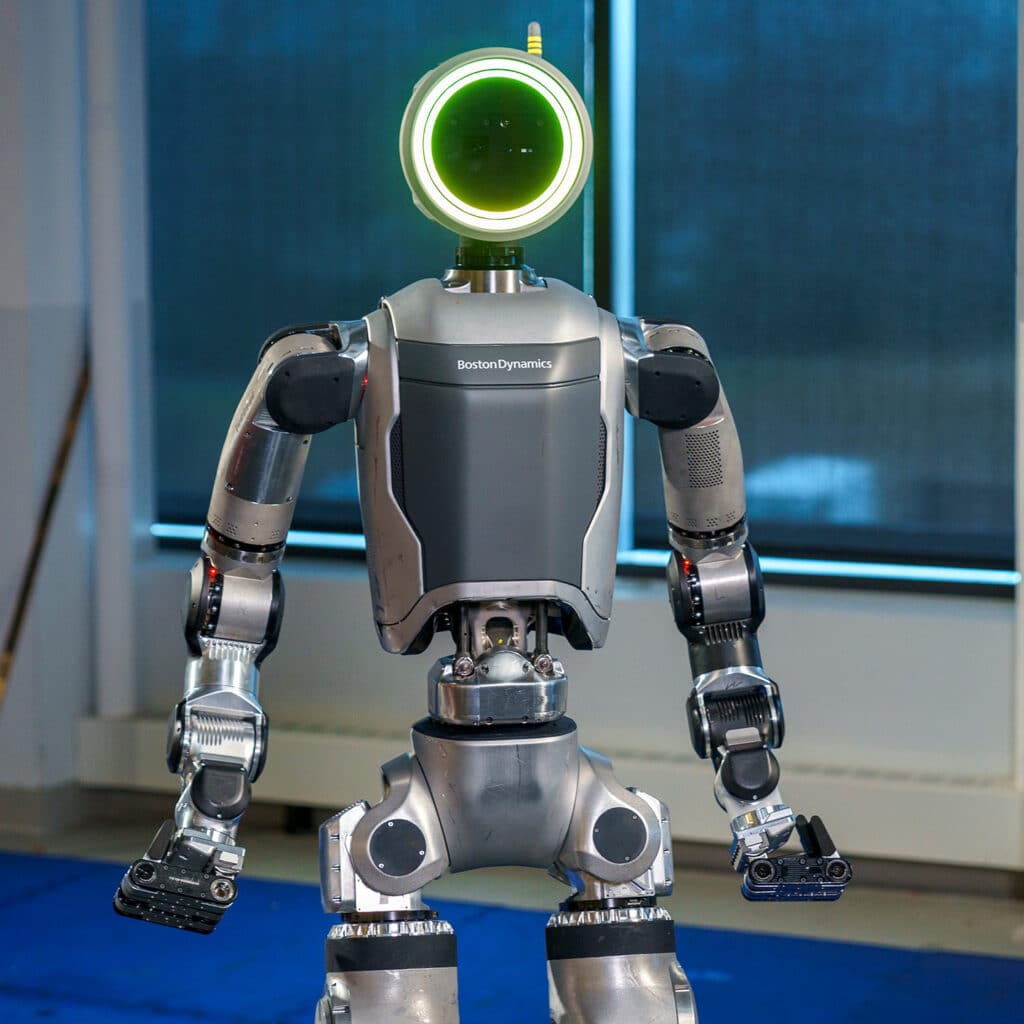
The all-electric Atlas is Boston Dynamics' most advanced humanoid robot, designed for real-world industrial applications. With exceptional mobility and dexterity, Atlas can navigate complex environments, lift heavy objects, and perform dynamic movements with unprecedented agility.
Ameca is Engineered Arts' expressive humanoid robot platform designed for natural human interaction, entertainment, and showroom/marketing uses. Ameca emphasizes highly realistic facial animation and modularity for developers; it is available as a high-end demo platform and continues to be updated for interactive installations and research.
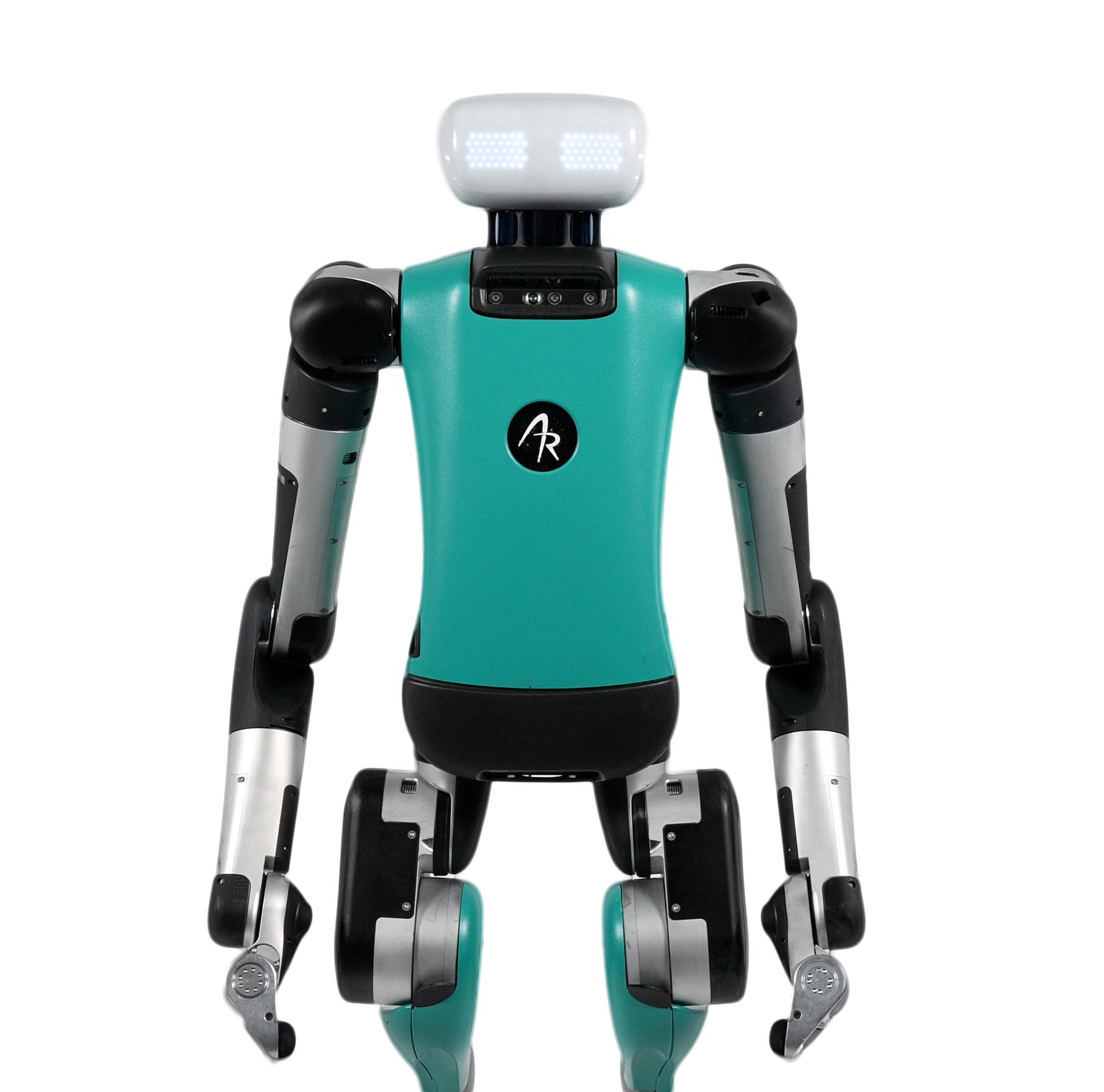
Digit is Agility Robotics' bipedal robot designed specifically for logistics and warehouse environments. With bird-like legs and human-like arms, Digit can pick up and move packages, navigate tight spaces, and work alongside humans safely.
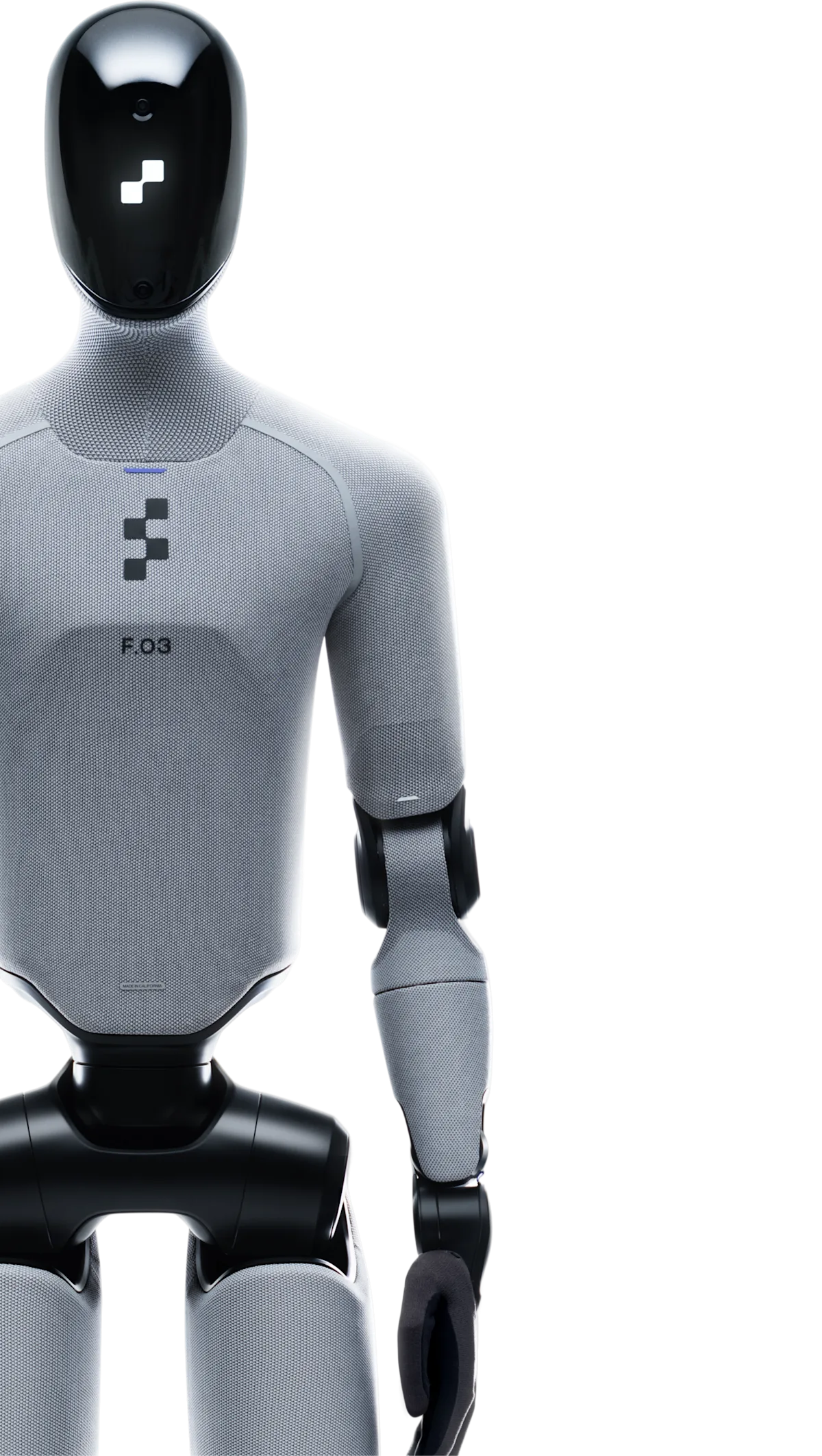
Figure 02 is Figure AI's second-generation humanoid robot, featuring advanced AI capabilities powered by custom foundation models. Designed for commercial deployment in manufacturing and logistics, it combines human-like dexterity with autonomous decision-making.
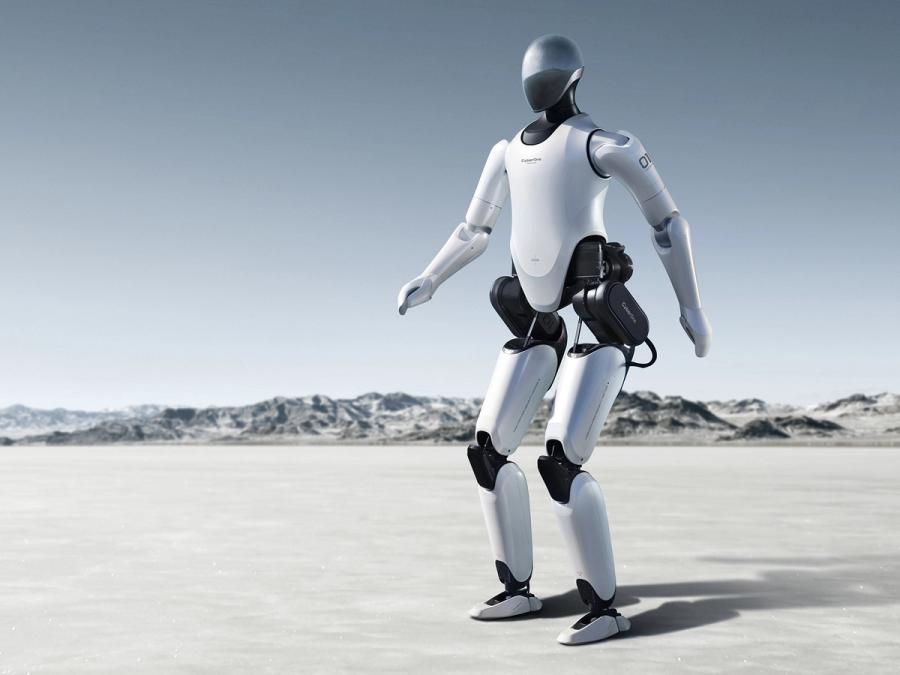
CyberOne is Xiaomi's humanoid robot prototype announced in 2021 intended as a research and consumer-facing demonstration of advanced sensing and human interaction. It focuses on multimodal perception (vision, force, audio), emotion-aware interactions, and high-level mobility demonstrations; it remains at prototype/demo stage with limited public deployments and PR appearances.
Toyota Research Institute / Toyota Motor Corporation
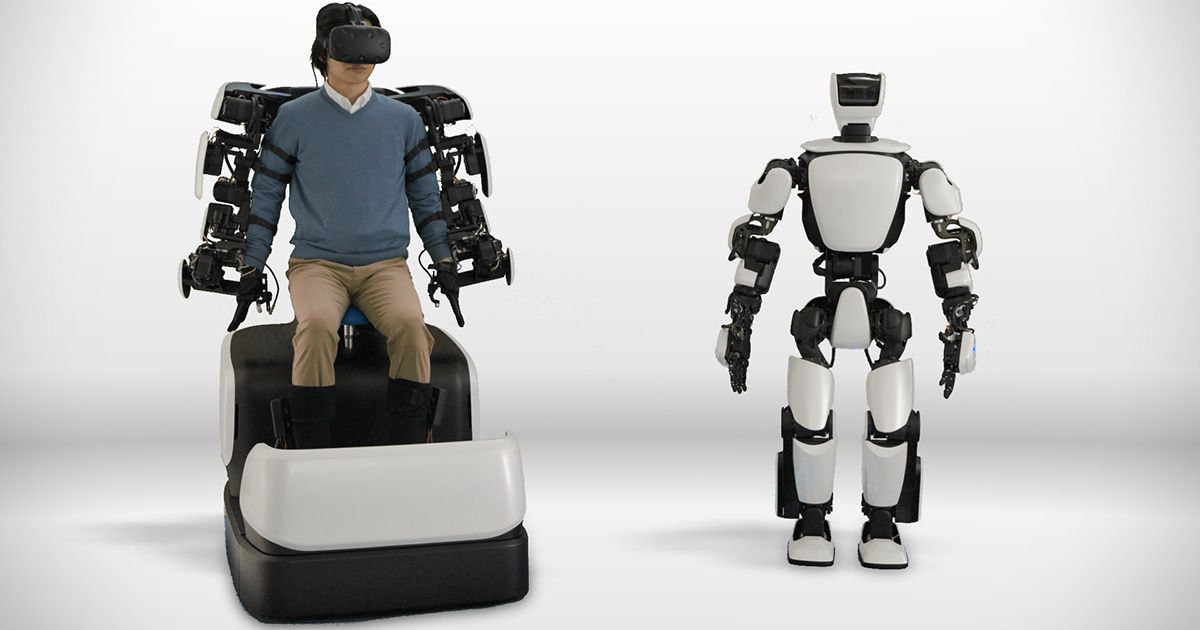
T-HR3 is Toyota's humanoid telepresence and research robot built to explore safe human-like manipulation, whole-body coordination and teleoperation for assistance in human environments. It has torque-controlled joints for compliant interaction and has been used as a research and demonstration platform with ongoing refinement rather than full commercial release.