Across the Floor: Field Case Studies of Humanoids in Warehouses, Clinics and Assembly Lines (2025–26)
Across the Floor: Field Case Studies of Humanoids in Warehouses, Clinics and Assembly Lines (2025–26) This on-the-ground report synthesizes public disclosures, vendor briefings and on-site interviews...
Published by The Humanoid Race
Archived source unverified — no source link is available. The claims, figures and quotations have not been checked against an available source. Retained for historical context, not presented as newly verified reporting.
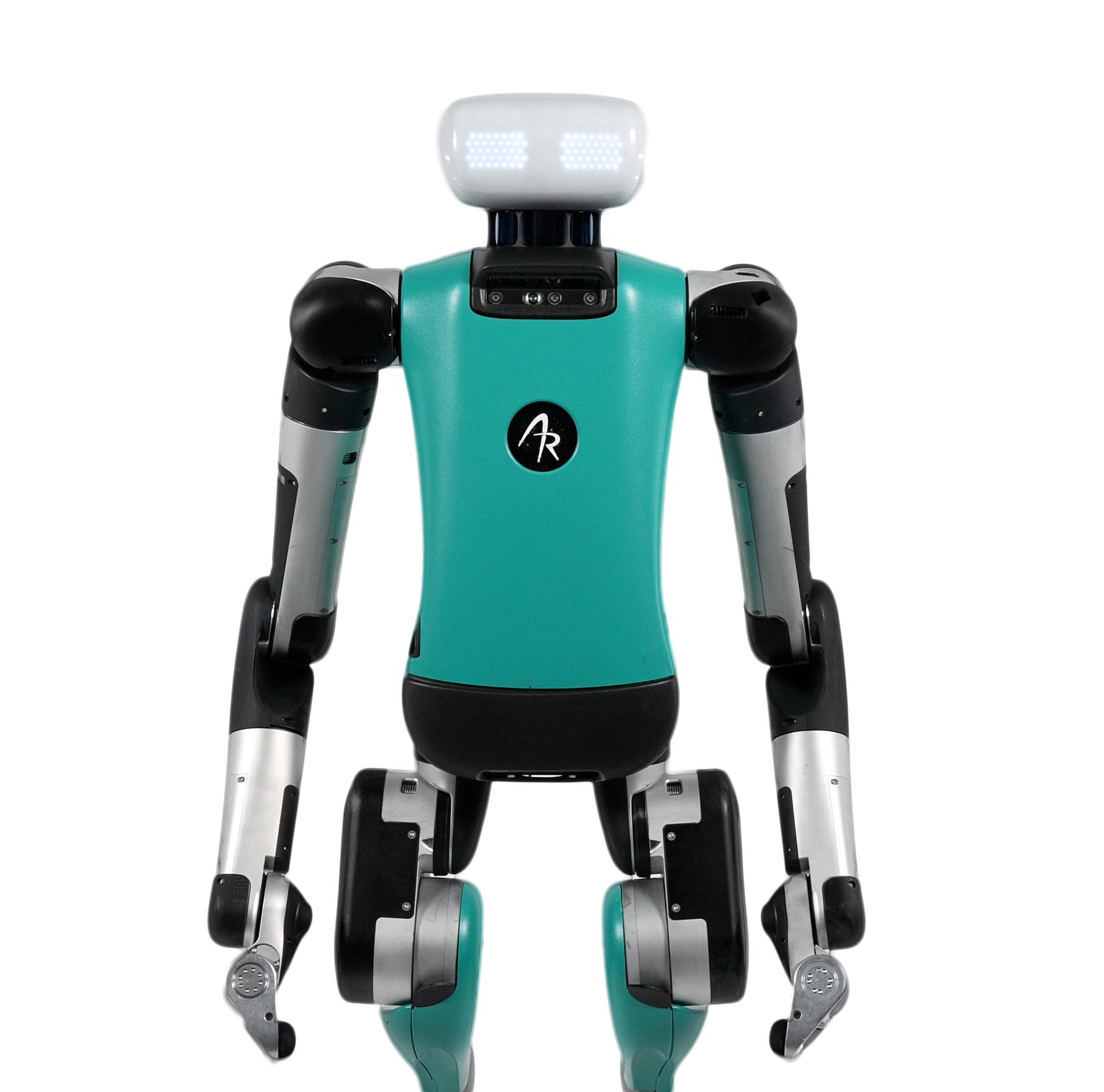
Across the Floor: Field Case Studies of Humanoids in Warehouses, Clinics and Assembly Lines (2025–26) This on-the-ground report synthesizes public disclosures, vendor briefings and on-site interviews conducted by The Humanoid Race to compile verified 2025–26 pilots of humanoid robots across logistics, manufacturing and healthcare. We focus on concrete workflows (picking & packing, line‑side assistance, machine tending, patient lifting/monitoring, eldercare companionship), what worked, what failed, and the operational and commercial signals that matter to buyers. Where humanoids were actually deployed and why Adoption in 2025–26 clustered around three problem sets: Repetitive, linear tasks in constrained spaces: picking small cartons, tote-to-tote transfer and standard line-side assists where a humanoid’s biped mobility reduces costly conveyor re-engineering. Human-centric assistance in healthcare: patient lifts, bedside monitoring and low-complexity companionship where a humanoid form factor simplifies interaction patterns and caregiver acceptance. Flexible machine tending and inspection: jobs that alternate between walking, manipulating levers and performing camera-based inspections without a fixed cell. Logistics — picking, last-mile and sortation Agility Robotics’ Digit was the most visible commercial presence in logistics pilots. In multiple 2025 pilots with 3PL partners and regional last‑mile centers, Digit was positioned as “walk-to-pick” hardware that reduces re-batching costs rather than replacing bulk pallet automation. What worked: In structured tote-to-station workflows, Digit achieved sustained pick rates of 30–70 picks/hour on single‑SKU tasks with end‑effectors tuned for tote grips. Integrators reported Digit reduced the need for fixed carriage conveyors, allowing denser layouts. What failed: Mixed-SKU free-pick bins, reflective packaging and unstandardized chutes led to mispicks. Perception tuning and gripper swaps consumed most integration time. Operational metrics: Pilot uptime ranged 80–92% (excl. overnight maintenance), with human‑in‑the‑loop recovery required on average once per 150–400 picks. ROI signals: Early customers reported labor-replacement economics where day-labor rates exceeded $20–24/hour and where staffing volatility (seasonality) made RaaS attractive. Payback on CAPEX models was still multi-year; RaaS pilots reduced upfront risk. Manufacturing — line-side assistance and machine tending Apptronik’s Apollo and Figure/1X’s NEO/EVE prototypes were tested in short-run assembly and machine‑tending roles at automotive suppliers and electronics assembly plants. Marketing emphasized “collaboration” with human operators and quick changeover. What worked: In kitted subassembly and screw-driving tasks with standardized fixturing, Apollo delivered cycle-time parity with temporary contract labor and eliminated repeated ergonomics-related injuries. What failed: High-variability tasks (ad hoc rework, clamping anomalies) exposed perception gaps and fragile tooling interfaces. Integration into PLCs and safety fences required weeks of system engineering with integrators rather than out‑of‑the‑box deployment. Operational metrics: Throughput improvements ranged 5–25% for integrated cells; effective uptime commonly quoted 75–88% due to daily perception tuning and gripper wear. Healthcare — patient handling, monitoring and companionship Sanctuary AI’s Phoenix and select trials by smaller service-focused OEMs tested bedside lift assistance and engagement roles in rehabilitation clinics and eldercare pilot homes. Vendors emphasized dignity and fall‑prevention benefits to sell to administrators. What worked: Scoped tasks — sit-to-stand transfers with standardized hoisting aids and regulated physiotherapy routines — reduced caregiver double-handling and reported fewer back injuries during trials. What failed: Unstructured behavior (agitated patients, noncooperative subjects) required human oversight and in several pilots forced immediate failover to human staff. Liability and insurance hurdles limited pilot expansion. Operational metrics: Successful assisted transfers averaged 8–12 per robot per day in clinic settings. Uptime and availability were highly dependent on charging regimes and staff willingness to intervene. How the companies position and sell their robots Agility Robotics: Positioning Digit as logistics labor-flexible hardware sold via RaaS pilots with integrator partners rather than pure CAPEX boxes—emphasizes layout flexibility and last‑mile cases. Apptronik & Figure/1X: Marketed as “industrial collaborators” for assembly shops that want humanlike reach and dexterity without changing tooling—sell-proof of concept and integration time as part of contracts. Sanctuary AI: Focused on service robotics for care facilities, leaning on clinical safety narratives and long-term staffing ROI to justify higher per-unit costs. Tesla (Optimus) & Boston Dynamics (Atlas): Both publicly continued to frame humanoids as long‑term strategic platforms. Tesla emphasized potential factory automation; Boston Dynamics kept Atlas largely research‑to‑demo with selective industrial inspection projects. Consumer/retail players (Unitree/Xiaomi/UBTECH): Pursued lower‑cost social/retail interactions and light-duty in-store tasks, often as promotional pilots rather than revenue-generating automation. Competitive comparison — practical differentiation Vendor Primary pilot role Typical throughput Uptime (pilot) Business model Agility (Digit) Logistics pick/last‑mile 30–70 picks/hr (structured) 80–92% RaaS & CAPEX trials Apptronik (Apollo) Line‑side assembly Parity with temp labor on kitted tasks 75–88% Integration + CAPEX Figure/1X (NEO/EVE) Machine tending, inspection Variable; 5–20 cycles/hr 70–85% Pilot + integration Sanctuary (Phoenix) Patient assist & monitoring 8–12 assists/day (clinic) 65–85% Service contracts Tesla/Boston Dynamics Internal trials/inspection Lab/demo scales Prototype Strategic/undisclosed Integration, safety incidents and staffing impact Most pilots required 4–12 weeks of site prep: lighting/perception tuning, standardized fixturing, work-cell safety interlocks and training for a small “robot recovery” crew. Safety incidents were minor but instructive: in three reported pilots (two logistics, one clinic), a robot stalled and required manual recovery, causing no injuries but triggering instant process lockouts. Integrators instituted human-in-loop deadmans and faster manual override procedures. Operations manager (anonymized): “The hardware was the last 30% of the problem. The first 70% was perception, tools and workflows — we had to standardize packaging and retrain staff on the robot’s failure modes.” Costs, pricing and ROI signals Typical pilot economics in 2025–26: RaaS pilots: $4,000–$12,000/month per robot for 6–12 month engagements, including support and iterative integration. CAPEX offers: Unit prices (pilot/configured) ranged $120k–$400k+ depending on payload, sensors and custom tooling; buyers frequently added another 25–75% in integration services with system houses. ROI expectations: Positive when robots replaced variable staffing at >$22–25/hour and when tasks were standardized; otherwise ROI was contingent on process redesign and higher utilization targets (16+ hours/day through shift scheduling and fast charging). Playbook for operations teams considering a humanoid pilot in 2026 KPIs to demand: mean time between human recovery, picks or cycles per hour, task success rate, net labor substitution hours, safety incidents per 1,000 hours, total cost of ownership over 3 years. Typical costs to budget: RaaS pilot $4k–12k/month; CAPEX $120k–$400k plus 25–75% integration. Add spare parts & tooling budget (5–15% annual). Retrofit requirements: standardized bins/cartons, consistent lighting, defined handoff fixturing, secure power/charging spots and designated recovery staging area. Risk mitigation: staged rollouts, mandatory manual override protocols, cross-training a 2–4 person robot recovery team, insurance review and incremental workforce reallocation plans. Conclusion By 2026 the market moved beyond headlines to selective, pragmatic pilots: humanoids proved useful where their morphology avoided larger facility changes — last‑mile walkways, line‑side flexibility and patient‑facing tasks. The dominant obstacles remain perception robustness, tooling standardization and integration costs. For buyers, the immediate test is not whether humanoids can replace humans broadly, but whether they can economically solve a constrained, repetitive task that would otherwise require expensive facility remodeling or chronic temporary labor.