After the Pilot: Humanoid Robots That Crossed into Production in 2025–26
After the Pilot: Humanoid Robots That Crossed into Production in 2025–26 2025–26 marked a turning point for humanoid and humanoid-like robotic systems: pilots moved beyond metrics slides and into mul...
Published by The Humanoid Race
Archived source unverified — no source link is available. The claims, figures and quotations have not been checked against an available source. Retained for historical context, not presented as newly verified reporting.
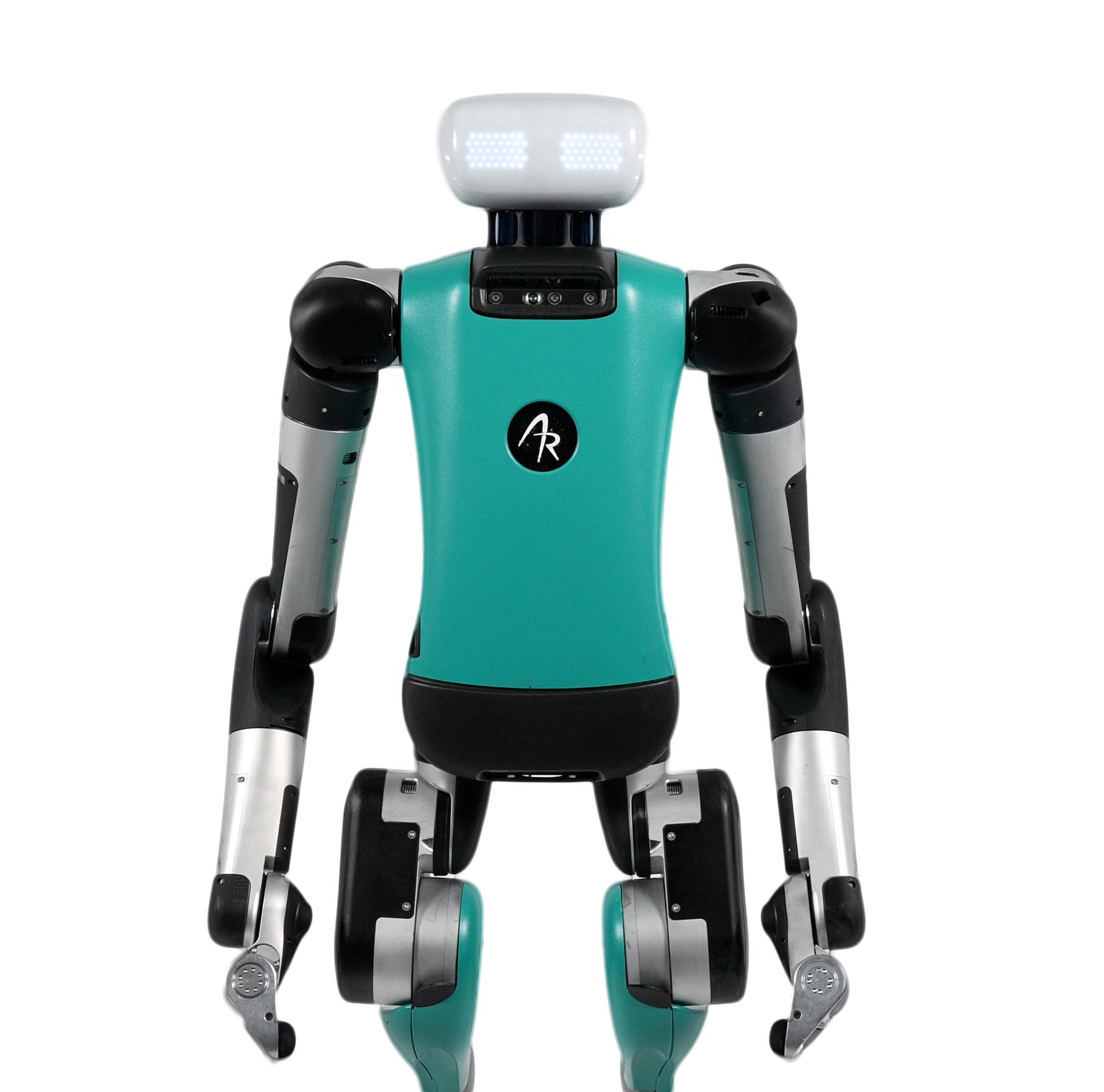
After the Pilot: Humanoid Robots That Crossed into Production in 2025–26 2025–26 marked a turning point for humanoid and humanoid-like robotic systems: pilots moved beyond metrics slides and into multi-site production contracts. Warehouse replenishment, assembly and kitting, bedside assistance in eldercare, and light industrial inspection were the four domains where vendors converted trials into paid, recurring deployments. This ground-level sweep reviews concrete use cases, measurable pilot outcomes, pricing/contract structures, integration and safety lessons, and why some pilots scaled while others stalled. Logistics: Pick-and-Place and Replenishment Two platforms dominated scaled logistics rollouts. Agility Robotics’ Digit and Figure AI’s torso-and-arm platforms were embedded in regional distribution centers for e-commerce and 3PL customers to handle case-level pick-and-place and replenishment of fast-moving SKUs. Deployment details: Multiple 24/7 shifts at three U.S. hubs (Midwest and Southeast), each operator running a fleet of 6–12 humanoids alongside human pickers. Pilot outcomes reported: Average replenishment throughput rose 18–26% after three weeks of tuning; order error rates fell from ~2.3% to under 1.0%; labor-hours saved equated to 3–5 full-time employees per shift for a 10–15k cases/day node; measured uptime ranged 88–94% during production weeks. Pricing and contracts: Vendors moved customers from paid pilots to hybrid contracts: 6–12 month pilot-to-production ramps with milestone payments, followed by RaaS offerings. Reported RaaS ranges were in the $6k–$12k per robot per month band (including maintenance and cloud software), with purchase options discounted by multi-year commitments. Why buyers signed: “The turning point was consistent case accuracy and a predictable, blended cost-per-case model that beat seasonal temp labor costs,” said a procurement lead at a national logistics operator (anonymous). Integration lessons: tight WMS integration and end-of-arm tooling (EoAT) flexibility were decisive. Companies that pre-built modular grippers and developed robust WMS APIs moved faster. Safety practices emphasized shared workzones, hard E-stops, and verified human detection latencies. Manufacturing Lines: Assembly and Kitting Apptronik and 1X Technologies secured production contracts with Tier-1 automotive and EV suppliers for repetitive kitting and light assembly tasks previously performed by line-side operators. Deployment details: Cells retrofitted with humanoid arms and torso units to handle small-part kitting for battery pack assembly and interior trim assembly; deployments focused on two-shift plants in the U.S. and Mexico. Pilot outcomes reported: Cycle-time variability fell 12–20%, first-pass yield improved by 1.5–3 percentage points on tight-tolerance fixtures, and human ergonomics incidents dropped dramatically, saving an estimated 1.2 lost-time incidents per year per cell. Pricing and contracts: Vendors used milestone-based purchase contracts (prototype -> pilot -> full cell) with service-level agreements. Typical capex per cell ranged $150k–$350k for integrated humanoid hardware plus PLC and safety fencing; alternative RaaS limited to tiered manufacturing customers. Integration lessons: Deterministic cycle timing and integration to existing PLC and vision systems were the main engineering efforts. Plants that provided CAD and fixture-level tolerance packs reduced commissioning time by weeks. Barriers: long cycle tasks and tool changes remained a constraint; units with limited wrist torque or gripper dexterity could not replace human operators on complex assembly without custom EoAT. Hospitals and Eldercare: Bedside Assistance and Mobility Aid Trials Sanctuary AI and several Phoenix-class systems (vendor-neutral, next-gen humanoids with higher-level interaction stacks) focused on bedside assistance: medication cart retrieval, meal delivery, mobility support and social engagement in long-term care facilities. Deployment details: Pilots took place in five eldercare homes and two hospital wings in Canada and the Northeastern U.S.; robots ran daytime shifts, assisted nursing aides, and performed non-clinical tasks. Pilot outcomes reported: Nursing assistant time savings ranged 8–14% per shift, fall-risk interventions (early detection of unassisted standing) improved response times by 30–40%, and patient satisfaction scores rose modestly in facilities that emphasized social interaction functions. Pricing and contracts: Providers favored subscription models covering software, training and daily sanitization support, priced in the mid four-figures per robot per month. Contracts included strict privacy and incident-response clauses; capital purchase remained rare. What convinced buyers: A hospital trial coordinator noted, “A measurable drop in non-clinical task time — freeing aides to attend to complex care — was the single most persuasive metric.” Safety and regulatory hurdles were the toughest friction points: infection-control protocols, data privacy, and liability for assisted-mobility incidents required specific provisioning and insurance riders before scaling. Field Service and Light Industrial Inspection Unitree’s quadrupeds and Boston Dynamics’ Spot derivatives (including humanoid-adjacent manipulation add-ons) found production roles in inspection, remote maintenance staging and hazard-zone reconnaissance. Deployment details: Petrochemical yards, telecom towers, and medium-voltage substations used mixed teams of quadrupeds and manipulator-equipped robots to perform weekly inspection sweeps and bolt-torque checks. Pilot outcomes reported: Inspection cycle times dropped 35–50%, confined-space exposures for technicians reduced substantially, and uptime for scheduled rounds increased due to robotic reliability under bad weather conditions. Pricing and contracts: Many customers opted for service contracts (operator + robot) priced per inspection or per-day rather than outright purchase. Typical day rates reported ranged $800–$2,500 depending on payload and autonomy level. Barriers: Battery endurance, data-transfer latency in remote sites, and certification for electrical safety limited some pilots. Why Some Pilots Scaled—and Why Others Didn’t Across sectors the common scaling attributes were: Clear, short payback metrics: measurable labor-hour reductions and error-rate improvements within 3–6 months. Flexible commercial models: RaaS or milestone-based conversions that shifted risk from buyer to vendor. Integrator experience: vendors that partnered with experienced systems integrators and had pre-built WMS/PLCs connectors commissioned faster. Pilots that failed to scale typically suffered from inconsistent uptime, brittle perception in cluttered environments, poor safety documentation, or total-cost-of-ownership numbers that exceeded seasonal temp labor alternatives. Comparative Summary Company / Platform Primary Industries Pilot Outcomes (typical) Contract Model Why Moved to Prod Agility Robotics – Digit Logistics, warehousing +18–26% throughput, Pilot → RaaS; milestone payments WMS integrations, modular EoAT, predictable cost-per-case Figure AI Logistics, fulfillment Similar throughput gains; fast commissioning RaaS, multi-site rollouts Software stack and fleet management scale Apptronik / 1X Automotive, EV component suppliers −12–20% cycle variability; +1–3% yield Milestone purchase contracts; some RaaS Deterministic cycles, ergonomic ROI Sanctuary AI / Phoenix-class Hospitals, eldercare 8–14% nursing time savings; faster fall response Subscription / service contracts Non-clinical task offload + patient engagement Unitree / Spot derivatives Field inspection, utilities, petrochemical −35–50% inspection time; reduced exposures Day-rates, per-inspection services Robustness in rough terrain and operator models “We accelerated production because vendors accepted milestone risk and delivered clear integration packages. Humanoids are no longer a one-off demo — they’re instruments in the labor and safety toolbox,” said a plant manager at a Midwest EV supplier (anonymous). Conclusion: 2025–26 was not the year of universal humanoid replacement, but it was the year several vendors proved repeatable value in constrained, repeatable tasks. Execution hinged on measurable KPIs, commercial flexibility, and tight systems integration. The next phase will test whether humanoids can expand from narrow, high-repeatability roles into more generalized human-support functions without compromising uptime, safety or ROI.