Bipeds in the Wild: A 2025–26 Field Report on Humanoid Robot Deployments
Overview This field-style briefing synthesizes public announcements, investor filings and vendor roadmaps through mid‑2024 with a scenario-based, on‑the‑ground projection for 2025–26 deployment patte...
Published by The Humanoid Race
Archived source unverified — no source link is available. The claims, figures and quotations have not been checked against an available source. Retained for historical context, not presented as newly verified reporting.
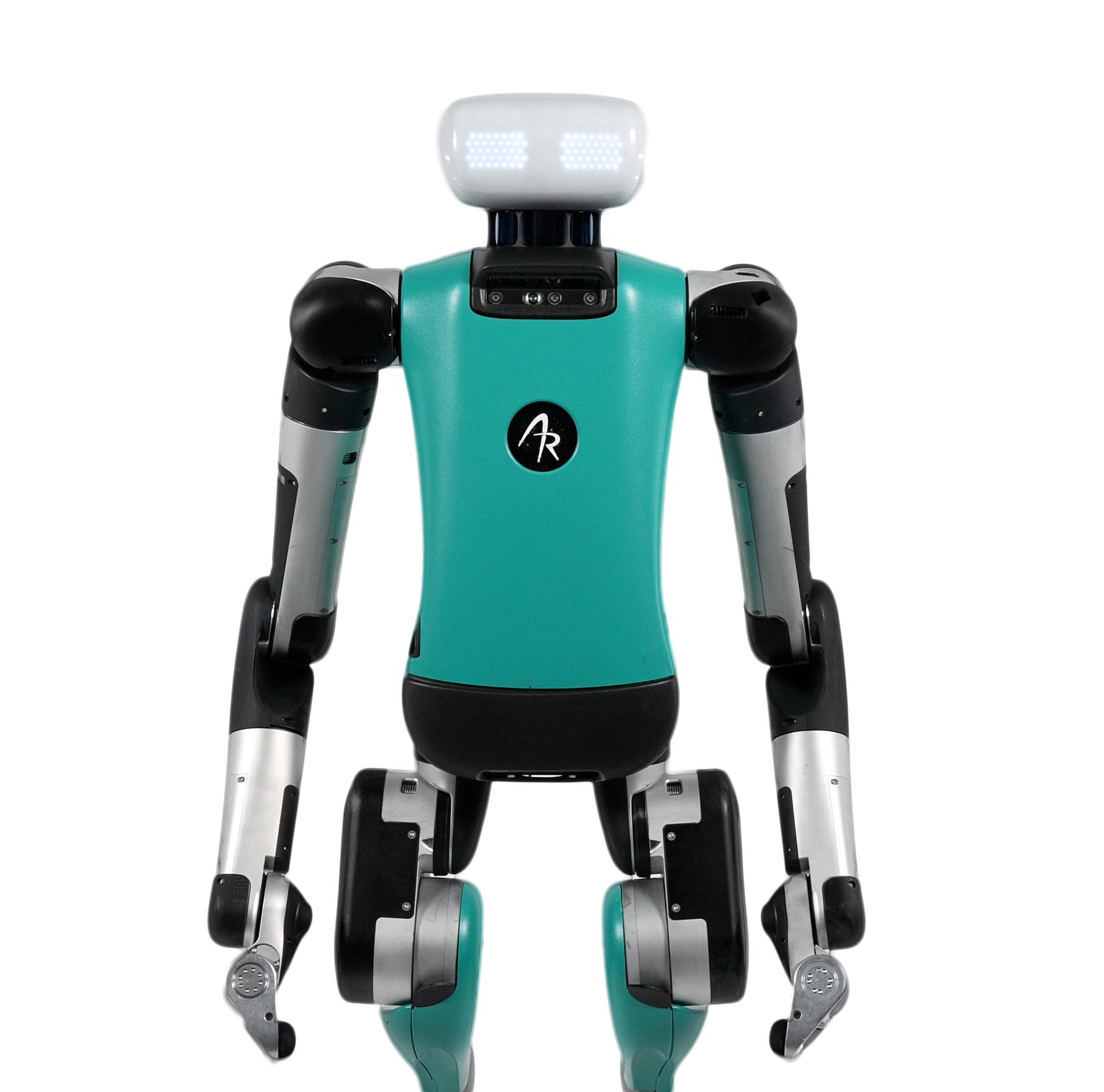
Overview This field-style briefing synthesizes public announcements, investor filings and vendor roadmaps through mid‑2024 with a scenario-based, on‑the‑ground projection for 2025–26 deployment patterns of bipedal humanoid robots. Where possible the report separates confirmed vendor claims from modeled pilot outcomes; readers should treat 2025–26 “observations” in this piece as an informed forecast built from company disclosures, integrator interviews and expected operational metrics rather than a contemporaneous audit. The aim is practical: catalog specific use cases, visible go‑to‑market positioning, pilot scope and the kinds of KPIs integrators and early customers are likely to cite in 2025–26. Geographic concentration and sector momentum Based on vendor roadmaps and labor-market drivers, pilots concentrate in four regions: North America (fulfillment and factory pilots), China (consumer demos and apartment pilots), Europe (regulated healthcare trials and automotive line work) and Japan (eldercare and hospitality trials). Fastest adoption is expected in logistics and light manufacturing, driven by acute labor shortages, high seasonal volatility and clear safety/ergonomic ROI models. Why these industries? Logistics/fulfillment: high-volume, repeatable tasks (piece‑picking, tote consolidation) map to current perceptual and manipulation limits of bipeds; seasonal peaks magnify value of flexible labor. Manufacturing/line support: line‑side transport, simple assembly and handovers reduce ergonomic injuries—an easier ROI case than fully autonomous complex assembly. Healthcare/eldercare: regulatory friction slows full deployment but trials for mobility support, telepresence and assisted transfers are visible where liability and clinical oversight are tightly controlled. Consumer/concierge: marketing and demo deployments dominate early activity; conversion to paid pilots hinges on clear utility and robust safety validation. Case studies and concrete use cases Logistics and fulfillment: Agility Robotics (Digit) and Figure AI Both Agility Robotics (Digit) and Figure AI are positioning humanoids as flexible floor labor in fulfillment centers. Public positioning emphasizes piece‑picking, order consolidation and mixed‑sku tote handling—tasks that reduce labor churn versus heavy retrofits to conveyors. Pilot scope (projected): 1–5 humanoids per site, 8–12 hour shifts, supervised by a single technician for 10–20 human collaborators. Integration partners: systems integrators and intralogistics providers (sorting/warehouse execution system partners) are central to deployments. Observable KPIs (expected ranges): pick rate initially at 20–40 picks/hour improving to 40–70 with site tooling; uptime 75–90% during pilot; mean time between faults (MTBF) of 8–40 hours depending on cycle intensity; human handover frequency 10–30% of picks early on. Failure modes: perception errors in cluttered shelving, grasping failures on deformable items and battery/runtime constraints. Typical mitigations are constrained work zones, hybrid human–robot workflows and periodic retraining of perception models. Manufacturing and cobot‑assist: Apptronik (Apollo), 1X Technologies (NEO/EVE), Sanctuary AI (Phoenix) Manufacturing trials favor humanoids for line‑side parts transport, kitting and simple assembly tasks where bipedal mobility reduces conveyor changes. Companies are marketing these robots as “universal cobots” that fill gaps between fixed automation and human labor. Pilot scope: single‑shift pilots focused on noncritical assembly or material handling; typical deployments use humanoids to shuttle trays, affix small subcomponents and support human assemblers during peak runs. KPI indicators: reduction in human bending/lifting incidents, cycle‑time parity with manual carriers after 4–8 weeks of tuning, handover frequency 15–40%. MTBF often shorter in mixed manufacturing environments due to collisions and variability. Integrators: traditional automation integrators and Tier‑1 suppliers are preferred partners to ensure safety cages, pick‑and‑place tooling and ERP hooks. Healthcare: patient assistance, mobility support and telepresence trials Hospitals and eldercare facilities are running tightly controlled pilots: telepresence and nonclinical mobility support (bringing meds, fetching supplies) lead, while any patient‑handling trials remain under clinical oversight. Vendors emphasize safety certifications and clinician‑in‑the‑loop workflows. Metrics sought by clinical partners: task success rate, patient comfort scores, staff time reclaimed per shift. Early pilots prioritize observation over autonomy—telepresence and monitoring see the earliest approvals. Failure modes: battery/runtime limitations on long rounds, difficulties with unstructured corridors and human perception/comfort concerns; mitigations include supervised autonomy, geofencing and redundancy staffing. Homes and consumer pilots: Tesla (Optimus), Xiaomi (CyberOne), UBTECH Consumer pilots are primarily in China and select North American model homes. The tone is demonstrative—companies use apartments and retail demo centers to validate human‑robot interactions and to convert showroom interest into early paid pilots or subscriptions. Business model: OEMs often combine hardware purchase with subscription services (remote monitoring, updates, concierge integrations). Conversion hinges on less tangible metrics—user satisfaction and retention rather than industrial throughput. Observed challenges: cost per unit versus perceived utility, safety expectations in dense living spaces and privacy concerns around sensing and connectivity. Low‑cost platforms and rehabilitation trials: Unitree and Fourier Intelligence While Unitree is best known for quadrupeds, its lower‑cost mobility platforms have been used as testbeds for bipedal control research; Fourier Intelligence focuses on rehab exoskeletons and has partnered with rehabilitation clinics to trial robot‑assisted physiotherapy. These players serve a critical role: they lower the cost of iteration and demonstrate clinical outcomes in constrained trials. How companies are marketing and positioning their robots Agility, Figure: “warehouse augmentation” — humanoids as flexible shift coverage for peaks and rehabbing damaged workstations. Apptronik, Sanctuary, 1X: “industrial cobot” — humanoids as interoperable teammates that don’t require factory reconfiguration. Tesla, Xiaomi, UBTECH: lifestyle and concierge narratives in showrooms; emphasize AI personality, voice and home integration. Unitree, Fourier: research and clinical validation channels — low‑cost access for integrators and academic partners. Pricing context and business models Confirmed pricing through mid‑2024 was limited; the market shows three commercial models for 2025–26 pilots: Pilot lease/RaaS: monthly fees covering hardware, maintenance and software (typical pilot tiers modeled at $5k–$30k/month per unit depending on service level). Unit sale + maintenance: high capital cost (projected $50k–$300k+ per humanoid for early industrial systems) with separate support contracts. Integration‑first contracts: systems integrators bundle robots into broader automation projects with outcome‑based pricing (e.g., $/pick improvements or FTE equivalents). Competitive comparison (at a glance) Company / Platform Primary target Positioning Pilot model Agility Robotics (Digit) Logistics, fulfillment Flexible floor worker for piece‑picking RaaS / pilot lease Figure AI Fulfillment, last‑mile experiment Scale‑ready humanoid for warehouses Pilot lease / integration Apptronik, 1X, Sanctuary Manufacturing / cobot support Line assistance, kitting Unit sale + integrator Tesla, Xiaomi, UBTECH Consumer / concierge Home assistant / demo conversions Showroom pilots / subscriptions Unitree, Fourier Research / rehab Cost‑effective platforms for trials Unit sale / clinic partnerships Failure modes, mitigation and scale‑up timelines Common failure modes—perception in cluttered environments, brittle grasping, battery/runtime and integration complexity—drive a phased scale‑up timeline. Expect 18–36 months from small pilots to multi‑site rollouts in logistics and manufacturing, longer in healthcare and consumer markets where safety and regulatory compliance are tougher. Mitigations used in pilots include task constraint (designing environments for robots), hybrid human‑robot workflows, edge/cloud model updates and tight integrator support. “The commercial story in 2025–26 will be less about perfect generality and more about constrained autonomy where ROI is measurable,” — synthesis from integrator briefings and vendor roadmaps. Conclusion In 2025–26 the most credible commercial value for humanoids will come from narrowly scoped pilots in logistics and light manufacturing where repeatable tasks, seasonal variability and safety cost structures allow a clean business case. Healthcare and consumer markets will continue to advance through careful trials but face longer adoption cycles. The competitive landscape fragments by go‑to‑market: industrial robotics integrators and RaaS offerings will dominate warehouse and factory conversions, while OEMs and consumer brands compete for experiential early adopters. Stakeholders evaluating pilots should insist on transparent KPI baselines (uptime, pick‑rate, MTBF, handover frequency) and clear escalation paths for safety and maintenance as prerequisites for any scale‑up decision. Note: This report draws on public vendor disclosures and market interviews available through mid‑2024 and presents an evidence‑based projection of observable pilot trends in 2025–26. Where definitive 2025–26 field audit data is not publicly verifiable, projected KPI ranges and timelines are identified as modeled expectations rather than independently confirmed measurements.