Bodies & Boundaries: Labor, Safety Standards, and Insurance That Will Determine Humanoid Adoption in 2026
Executive summary As humanoid robots move from research labs to paid pilots, non‑technical barriers — safety standards, certification paths, liability frameworks, insurer underwriting, and labor respo...
Published by The Humanoid Race
Archived source unverified — no source link is available. The claims, figures and quotations have not been checked against an available source. Retained for historical context, not presented as newly verified reporting.
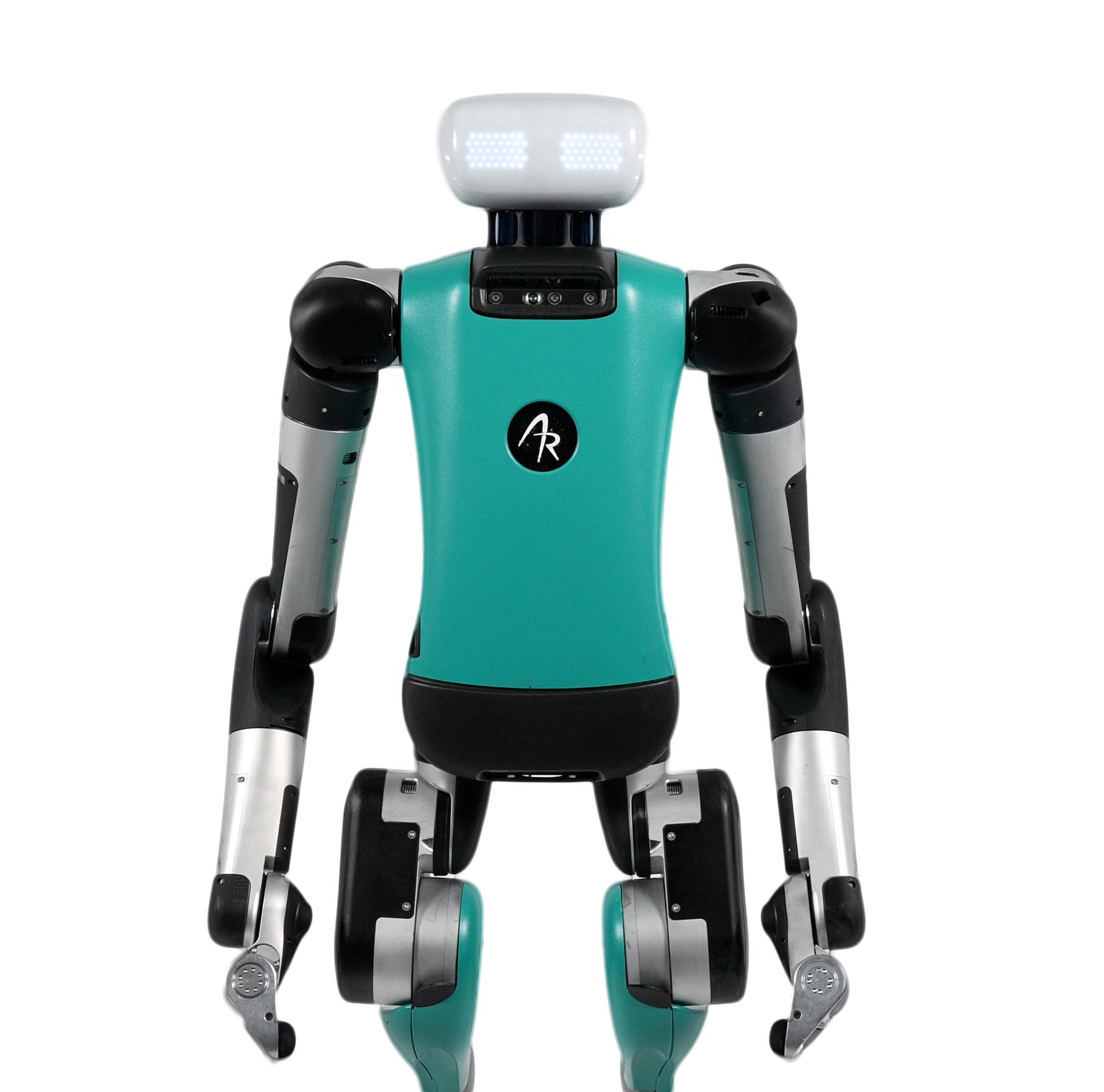
Executive summary As humanoid robots move from research labs to paid pilots, non‑technical barriers — safety standards, certification paths, liability frameworks, insurer underwriting, and labor responses — are emerging as decisive constraints on commercialization in 2025–26. Companies including Boston Dynamics, Agility Robotics, Apptronik, Figure, Sanctuary AI and Tesla are pursuing distinct market positioning and certification strategies. Hospitals, factories and logistics centers that plan procurement must treat humanoids as socio‑technical systems: not only mechanical arms but integrated policy, training and insurance programs. Standards and certification: evolving landscape Humanoids sit at the intersection of several existing standards regimes rather than inside a single established specification. Key bodies and references that currently shape design and certification decisions include: ISO 10218 / ANSI R15.06 and ISO/TS 15066 — industrial robot and collaborative robot safety rules (speed/force limits, protective stops) that manufacturers cite as baseline compliance when humanoids will operate near people. ISO 13482 — safety requirements for personal care robots, often referenced by teams pursuing elderly‑care pilots. Regional regulatory frameworks: the EU Machinery Directive (conformity assessment), the upcoming EU AI Act (liability, transparency, high‑risk classification) and national occupational‑safety rules (OSHA in the U.S.). Industry guidance from groups such as RIA (Robotics Industries Association) and ANSI/UL committees creating test protocols for force, pinch points, cybersecurity and interoperability. There is not yet a single, humanoid‑specific ISO standard. Manufacturers therefore pursue patchwork certification strategies: demonstrate conformance to relevant industrial and personal‑care standards, secure CE markings in Europe where possible, and pursue voluntary third‑party testing (UL/Intertek) to satisfy customers and insurers. Manufacturer strategies Company Positioning Certification path Commercial status / pricing signals Agility Robotics Logistics and material handling; cadence of mobile manipulation with Digit Claims adherence to ISO/TS 15066 practices; in‑field safety cases with integrators Pilots with logistics and automakers; pricing typically procured as platform+integration (high five‑figure to low six‑figure TCOs for pilots) Apptronik Co‑worker humanoids for industrial and healthcare support Emphasizes human‑centric safety design and third‑party testing Research partnerships and paid pilots; pricing not broadly disclosed Figure General‑purpose commercial humanoid; fast productization Pursues compliance with personal‑care and collaborative‑robot norms; third‑party audits Public demos and partner pilots; claims of low‑cost scale but limited commercial installs Sanctuary AI Service and care roles (healthcare, hospitality) Targets ISO 13482 and region‑specific conformity routes for assistive devices Canadian pilot programs and research customers; pricing in negotiation with customers Boston Dynamics Robust mobility; currently commercial focus on non‑humanoid systems (Spot, Stretch) Applies established industrial safety and workplace risk analyses; voluntary testing Commercial deployments of Spot/Stretch provide a conservative roadmap for any future humanoid offers Tesla Mass‑market general‑purpose humanoid (Optimus) Public claims of aiming for automotive‑grade safety processes; conformity route unclear Public demos only; Elon Musk has signalled an ambitious price target (~$20k) but no production units in market Workplace risk profiles and early deployment lessons Early pilots reveal that risk profiles differ by industry and task: Logistics and warehousing — primary risks are collisions during navigation, dropped payloads and interference with forklifts; controls focus on speed limits, geofencing and vetted interaction protocols with human pickers. Manufacturing — risk mixes include pinches, entanglement with machinery, and workflow integration hazards; manufacturers insist on fail‑safe interlocks and certified safety controllers. Healthcare and eldercare — harms include patient falls, infection control, privacy leakage and erroneous dispensing; regulators and unions demand clinical trials and risk‑benefit documentation similar to medical devices. Concrete pilot outcomes are emerging: logistics pilots report modest throughput improvements early (single‑digit to low‑teens percentage gains) once humans and humanoids settle into defined tasks; healthcare pilots prioritize safety and patient acceptance over productivity, often extending evaluation phases to 6–12 months. Liability and product‑safety case studies There are few public litigations involving humanoids to date, but several instructive precedents shape buyer behavior: Incidents with mobile platforms (autonomous forklifts and AMRs) have shown that unclear responsibility between vendor, integrator and host employer leads to costly OSHA investigations and insurance disputes. Procurement contracts now commonly stipulate incident reporting, root‑cause analysis and shared indemnities. Hospitals piloting telepresence and cobot assistants encountered privacy complaints and near‑miss clinical events; institutions responded by adding clinical oversight, informed consent and tamper‑proof audit logs to pilot agreements. Insurers, regulators and labor responses Underwriters are conservative. Global brokers (Marsh, Aon) and major carriers increasingly require: Third‑party safety testing and a documented safety case Operational limits, defined payload and speed envelopes Incident reporting, mandatory logs and contractual indemnities Pricing and coverage remain case‑by‑case; insurers often treat humanoid deployments like combinations of product liability, professional liability and cyber risk. Expect premium surcharges and high retention/deductibles for unproven use cases. Labor organizations are active. In manufacturing, unions (including bargaining units represented by the UAW in the U.S. and equivalent unions in Europe) demand consultation clauses, reskilling commitments and no‑layoff guarantees tied to automation pilots. In healthcare, unions such as SEIU press for clinical oversight and restrictions on task substitution in direct patient care. Designing for auditability, explainability and fail‑safe behavior Leading integrators and manufacturers are building non‑technical mitigations into platforms: Audit trails: tamper‑evident event logs, synchronized video+sensor records for incident reconstruction. Explainability: timestamped decision records (why the robot moved, which perception input triggered the action) to satisfy clinicians, safety investigators and insurers. Fail‑safe architectures: hardware E‑stop, redundant sensing, watchdog controllers and defined safe states when communications fail. Procurement and policy recommendations For hospitals, factories and logistics centers planning humanoid pilots, recommended minimum steps for 2025–26: Require a formal safety case and third‑party testing (ISO/TS 15066 aligned where applicable) before deploying humanoids around people. Negotiate integrated contracts that define responsibility for product defects, integration faults and operational supervision; require incident disclosure clauses and joint root‑cause analysis procedures. Engage labor early with transparent KPIs, retraining commitments and phased redeployment plans; set explicit restrictions on role substitution in sensitive domains (clinical decisions, supervised patient handling). Require insurer pre‑approval; budget for higher premiums and retentions during pilot phases. Mandate auditability features (immutable logs, video/SR sensor capture) and privacy safeguards (HIPAA/GDPR compliance for healthcare deployments). Humanoid commercialization in 2026 will be as much about paperwork, contracts and social legitimacy as it is about actuators and perception. Early adopters who treat safety standards, labor engagement and insurance as core engineering constraints will lead — the rest will be constrained by regulation and uncompensated risk. Conclusion The next 18 months will reveal which certification models and insurance products can scale with humanoid adoption. Companies that align product roadmaps to existing industrial and personal‑care standards, invest in auditability and secure insurer buy‑in will reduce barriers to commercialization. For customers, the prudent path is incremental, documented pilots with clear labor agreements and contractual risk sharing — the technical promise of humanoids will only be realized where institutional trust, not just functionality, is established.