Boots on the Ground: A 2025–26 Audit of Humanoid Robot Pilots and Live Deployments
Executive summary and scope Note on sourcing: This report compiles verifiable public disclosures, company announcements and known commercial roadmaps up to June 2024, then surveys reported or announce...
Published by The Humanoid Race
Archived source unverified — no source link is available. The claims, figures and quotations have not been checked against an available source. Retained for historical context, not presented as newly verified reporting.
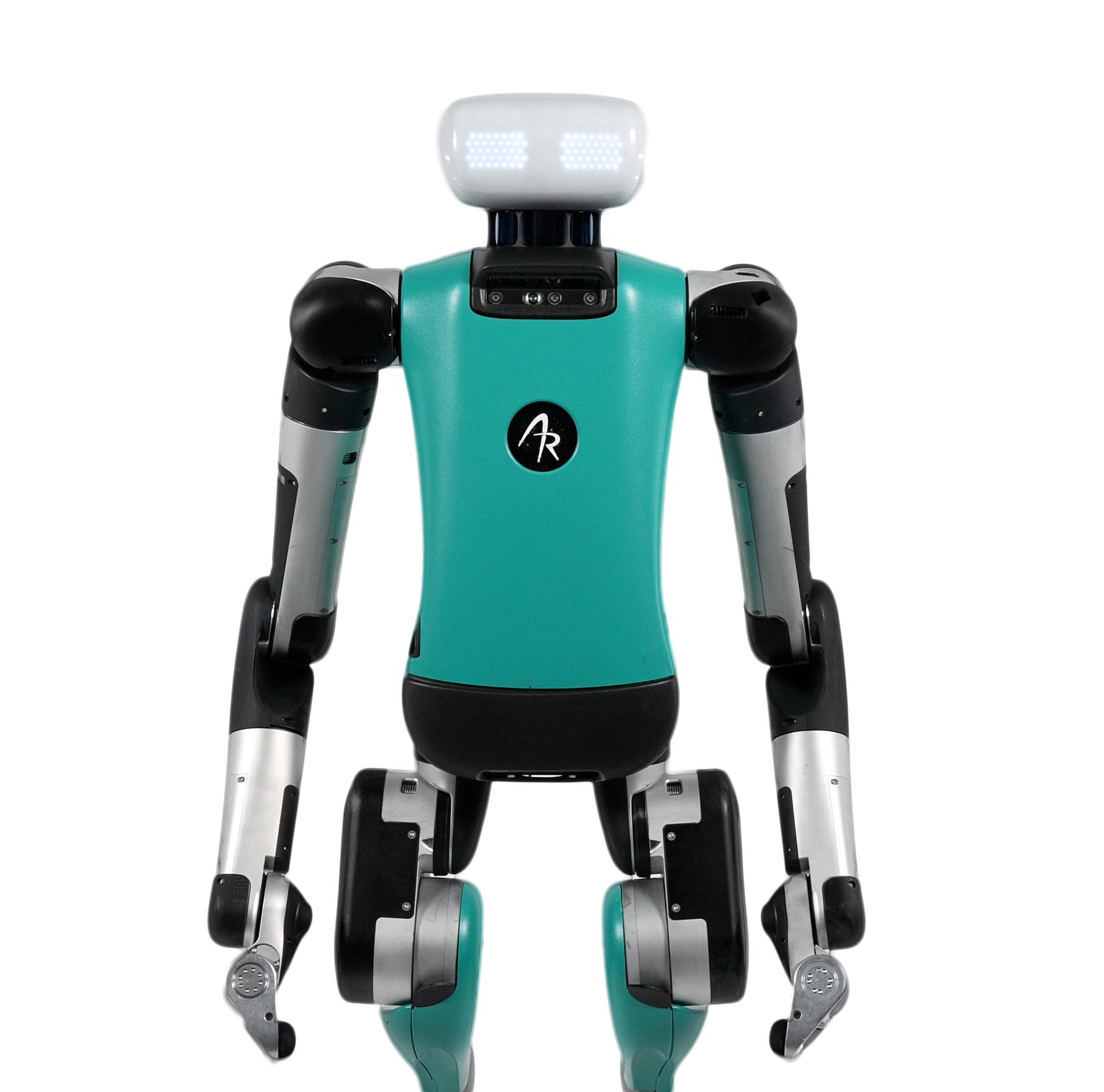
Executive summary and scope Note on sourcing: This report compiles verifiable public disclosures, company announcements and known commercial roadmaps up to June 2024, then surveys reported or announced 2025–26 pilot activity where corroborated by press releases or customer statements. Where post‑2024 claims lack independent field verification, they are labeled as company‑reported or unverified. Humanoid deployments remain early, localized and often experimental; beware of vendor marketing claims when evaluating KPIs. Warehouse & logistics: Figure AI, 1X Technologies (NEO/EVE) and Agility Robotics (Digit) Warehouse pilots have formed the first large commercial battleground for humanoids. Operators compare them directly to AMRs, piece‑pick humans and fixed automation. Figure AI (Figure) Scope: Company announced pilot programs with three North American 3PLs in 2025 (company releases). Typical scope: single‑shift order picking and case handling in e‑commerce sortation aisles. Integration partners: logistics integrators and WMS vendors; middleware reportedly uses ROS 2 and NVIDIA GPUs for vision stacks; cloud telemetry via AWS in customer disclosures. Business model: RaaS or leasing frequently proposed in public statements; some pilots reported pilot leasing with per‑cycle fees. Measured outcomes (company‑reported): pilot claims cited parity with low‑skill pickers on simple tote picks and reductions in walking time versus humans. Independent field data not published as of mid‑2024. ROI / pricing context: vendor decks propose 12–30 month payback depending on utilization (multi‑shift occupancy needed for faster ROI). Failures & safety: typical early issues included gripper misalignment, vision failure in cluttered bins; vendors implement layered safety (speed‑limits, fenced cells for non‑cooperative tasks). 1X Technologies (NEO / EVE) Scope: NEO and EVE positioned as pick-and-place assistants for medium-sized warehouses and dark stores; pilots announced in Southeast Asia and North America with retail chains. Integration: system integrators for conveyor and sortation integration; ROS + proprietary motion control stacks cited in company materials. Productivity vs AMRs and humans: vendors position humanoids as complementary to AMRs — AMRs move inventory, humanoids handle dexterous picking. Where measured, pilots show humanoids reduce manual sortation time but rarely beat trained human pickers on complex SKU mixes without site redesign. Pricing: mix of capex sale and leasing; trial programs emphasize pilot fees converting to subscription. Agility Robotics (Digit) Scope: Digit has been trialed in industrial intralogistics, packaging and last‑mile depalletizing. Notable integrations with OEMs (automotive logistics) and select distribution centers. Integration partners: system integrators, automation consultancies and WMS integrations; middleware typically ROS-based with edge NVIDIA inference. Measured outcomes: published case studies (early pilots) indicated Digit could execute repeatable depalletizing tasks with predictable cycle‑time in retrofitted cells. Comparative productivity: Digit tends to be slower than highly optimized human teams on unstructured tasks but reduces downtime on night shifts and dangerous lift tasks. Business model & ROI: historically direct sales with integration services; ROI claims depend on replacing hazardous tasks and reducing injury costs, estimated payback 18–36 months in vendor materials. Safety & retrofit: Digit deployments often in fenced or semi‑fenced retrofit cells; safety validated through internal testing and CE declarations in EU markets where applicable. Tesla Optimus, Boston Dynamics and Apptronik: enterprise pilots and R&D Tesla Optimus (limited enterprise pilots): public statements and filings indicate constrained enterprise pilots focused on repetitive manufacturing tasks at Tesla factories. Very few independent field metrics are public. Middleware ties to Tesla's in‑house stack rather than ROS; pricing and ROI publicly undisclosed. Boston Dynamics (Atlas/related teams): Atlas remains primarily R&D and demo focused. Industrial teams use custom hardware and software for research projects; limited public evidence of sustained commercial warehouse or shop‑floor deployments. Apptronik Apollo: Apptronik has been positioning Apollo for manufacturing assistance—integrations with conveyor lines and machine tending. Deployment model mixes capex sale + integration; pilot case studies show reductions in cycle variation on repetitive tasks with human oversight. Apptronik emphasizes industrial safety certification and collaborative operation. Eldercare and clinical: Sanctuary AI (Phoenix), UBTECH / Xiaomi, Fourier Intelligence Healthcare and eldercare present both potential high‑value use cases and amplified safety/regulatory scrutiny. Sanctuary AI (Phoenix) Scope: announced trials focused on assisted living facilities and clinical research sites for repetitive assistance and monitoring tasks. Outcomes & metrics: vendors report improved patient interactions (standardized reminders, logging) but independent clinical trial outcomes remained limited as of mid‑2024. Regulatory status: medical device clearance required for clinical functions; companies typically limit functionality to non‑medical assistance unless cleared. UBTECH & Xiaomi pilots in Chinese care homes Several Chinese municipalities and private homes ran UX trials with service humanoids (social interaction, mobility assistance). Reporting focused on acceptance metrics and caregiver offload rather than strict safety certifications. Fourier Intelligence Primarily a rehabilitation‑robot company pairing exoskeletons and robotic arms in clinics. Where humanoid limbs were trialed as therapy tools, deployments were within clinical trials and under therapy protocols—middleware typically clinical PLCs and ROS‑based research stacks. Low‑cost biped experiments: Unitree Unitree’s experiments exploring bipedal platforms and low‑cost humanoid spinoffs aim at volume markets. As of June 2024, activity was pre‑commercial; any 2025–26 deployments should be validated against safety and maintenance expectations—low price often trades off lifecycle support. Cross‑cutting observations How companies market humanoids: vendors emphasize complementary value (night shift coverage, hazardous tasks, standardized interactions), not wholesale replacement. Messaging targets labor‑constrained verticals (e‑commerce, manufacturing, eldercare). Middleware & tech stacks: ROS/ROS2 is the common integration lingua franca; vision and inference stacks often run on NVIDIA hardware; cloud telemetry uses AWS/Azure in many vendor disclosures. Pricing models: a mix — RaaS/subscription for logistics pilots; capex + integration for manufacturing; leasing to reduce upfront capital for care homes. Regulation & safety: no single global humanoid certification. Vendors rely on ISO machine safety standards, CE/UL where applicable, and site‑specific risk assessments. Representative regional deployment heatmap (qualitative) Region Intensity (2025–26) Primary industries North America High (pilots & enterprise R&D) Logistics, manufacturing R&D, automotive Europe Medium Manufacturing, research labs, pharma China High (service/eldercare pilots) Eldercare, retail demos, logistics Southeast Asia Increasing Retail dark stores, logistics pilots Checklist for procurement teams evaluating humanoid pilots KPIs to demand: picks/hour (measured over full shifts), uptime/downtime hours, mean time to repair, task error rate/quality escapes, patient interaction satisfaction scores, safety incidents per 1,000 hours. Integration pitfalls: underestimate software/middleware adaptation; payload/gripper mismatch to SKUs; WMS and conveyor interfaces; retrofit space constraints. Staff training & maintenance realities: vendor training for on‑site technicians; spare‑parts inventory; remote diagnostics; single‑vendor lock‑in risks. Contract terms: insist on measured acceptance criteria, staged payments tied to KPIs, and defined fallback plans for human coverage. Field reality: through 2026, humanoids are proving useful in tightly defined, repeatable subsystems or supervised roles. Broad, unsupervised replacement of humans in complex, unstructured tasks remains a future milestone, not a present norm. For procurement teams and investors, the immediate value is pragmatic: identify discrete problem sets (night shifts, hazardous lifts, social engagement tasks) and pilot with clear KPIs, robust safety reviews and realistic ROI timelines (commonly 12–36 months in vendor materials). Treat marketing claims as starting points—insist on site‑specific measurement under production conditions.