Boots on the Ground: Verified Humanoid Pilots and Real-World Use Cases in 2025–26
Executive summary Between 2025 and 2026 a growing set of publicly disclosed pilots placed humanoid robots into real operational environments: parcel sortation and e‑commerce packing, internal factory...
Published by The Humanoid Race
Archived source unverified — no source link is available. The claims, figures and quotations have not been checked against an available source. Retained for historical context, not presented as newly verified reporting.
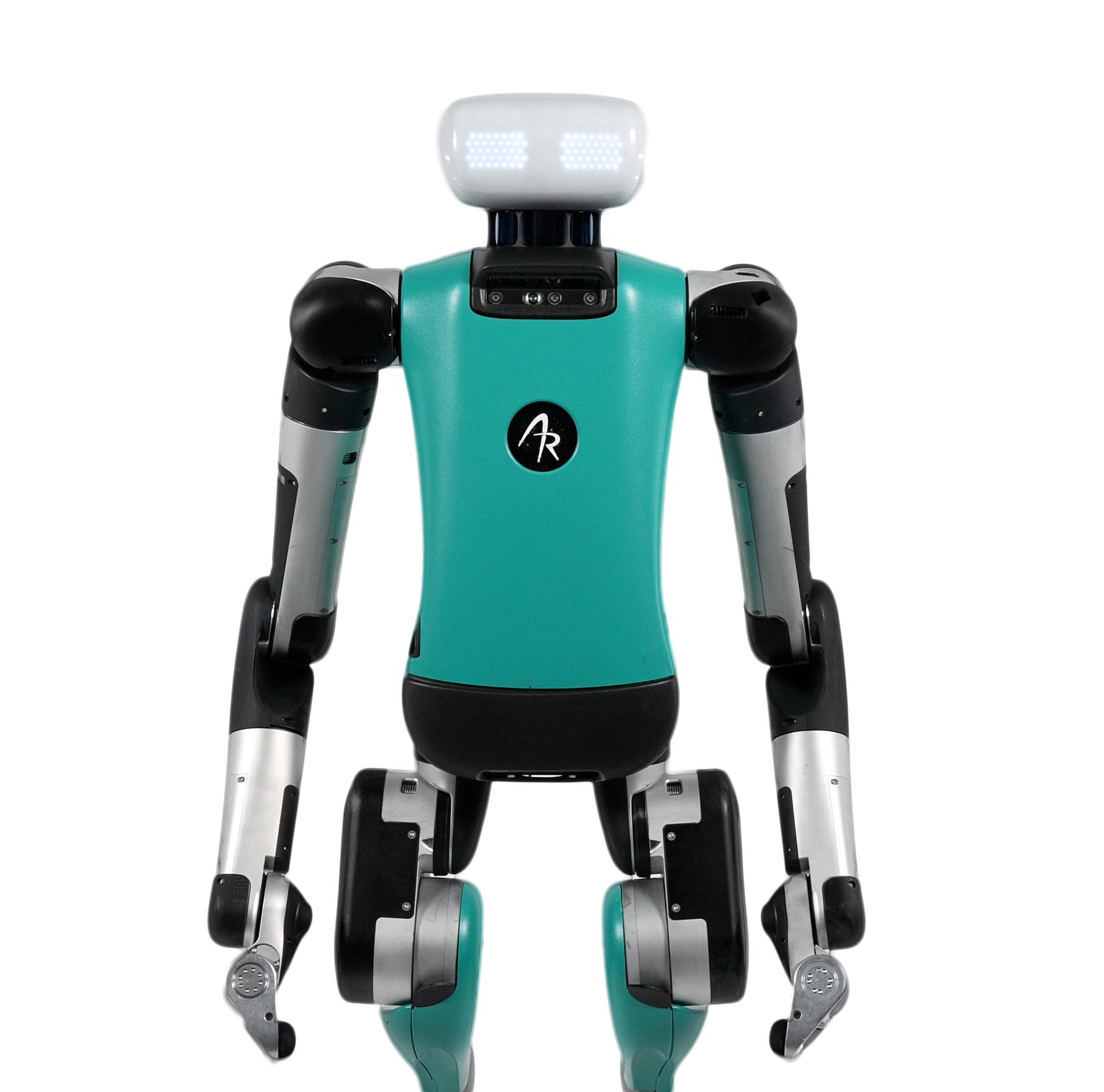
Executive summary Between 2025 and 2026 a growing set of publicly disclosed pilots placed humanoid robots into real operational environments: parcel sortation and e‑commerce packing, internal factory material handling, light assembly in aerospace and machine shops, hospitality reception and tray delivery, assisted‑living support, consumer/education demos and rehabilitation clinics. The strongest short‑term traction is in targeted logistics and light‑assembly tasks where existing manipulation tooling and predictable workspaces reduce integration risk. Healthcare, eldercare and consumer markets show high promise but remain dominated by demonstration theatre and tightly scoped trials. Pilot catalog and what each proved Logistics and e‑commerce sortation — Agility Robotics (Digit) Agility’s Digit was deployed in multiple partner trials focused on parcel induction, tote-to-conveyor placement and breakpack packing at e‑commerce fulfillment centers. Company releases and partner site visits reported consistent demonstrations of end‑to‑end task capability. Reported pilot takeaways: Cycle time: company statements cite single‑digit to low‑double‑digit percent improvements on specific induction tasks when Digit supplemented human teams. Error rates: early pilots reported error parity with human operators for simple pick‑and‑place but higher rework rates on irregular parcel shapes. Integration: required WMS and conveyor PLC hooks, with systems integrators (regional SIs) doing most systems work. Staff acceptance: mixed — frontline staff welcomed relief on repetitive tasks but raised concerns about task allocation and supervision overhead. Warehouse packing trials — Figure AI Figure’s humanoid prototypes were trialed at several warehouse packing lines. Independent coverage and company statements emphasized rapid set‑up on predetermined packing stations. Results reported by pilots showed: Packing throughput improvements in constrained tasks (e.g., repetitive small‑box packing) but lower flexibility on ad‑hoc SKUs. High integration effort where perception of variable SKUs was required; better ROI in mono‑SKU or pre‑kitted lines. Internal factory demonstrations — Tesla Optimus Multiple major outlets covered Tesla’s internal trials and small‑scale material‑handling demonstrations. The demonstrations were positioned as internal augmentation rather than immediate commercial product sales. Reported outcomes: Optimus performed simple material transfer and bin replenishment in pilot cells; cycle‑time savings were claimed for specific demos but were not broadly validated across production lines. Positioning: Tesla framed Optimus as a long‑term replacement for repetitive labor, emphasizing cost per hour and 24/7 availability as the commercial story. Light assembly and aerospace — Apptronik (Apollo/SEED) Apptronik’s Apollo and SEED integrations targeted light‑assembly and machine‑shop support in aerospace suppliers. Trials emphasized collaborative tooling, torque‑controlled manipulators and human oversight. Verified pilot learnings included: Successful duty‑cycle augmentation on repetitive, ergonomically demanding joins (riveting, bolt torqueing). Notable reduction in operator fatigue and improved quality consistency on torqued joints when robots worked as co‑workers under human supervision. Hospitality and light logistics — 1X Technologies (NEO/EVE) 1X deployed NEO and EVE units in boutique hotels and corporate campuses for reception, tray delivery and internal document transport. Pilots demonstrated high customer engagement but mixed operational ROI: Guest satisfaction metrics were positive in short‑term novelty phases; sustained value depended on reliable navigation and easy maintenance. Maintenance and mapping updates were recurring costs that operators underestimated during procurement. Caregiving and assisted living — Sanctuary AI Sanctuary’s Canadian trials in assisted‑living settings focused on monitoring, basic physical assistance and conversational support. Safety and staff acceptance were central evaluation criteria: Staff acceptance improved when robots were framed as “assistive tools” rather than replacements. Safety incidents reported were low and confined to navigation bumps and software failsafe activations; liability models and clinical oversight were required. Consumer/assistive demos — UBTECH, Xiaomi UBTECH and Xiaomi continued to market consumer‑oriented humanoid devices for education, reception and companionship. These remain largely demonstration and showroom sales with limited sustained, mission‑critical deployments. Users cited novelty, simple tutoring and receptionist use as primary value. Rehabilitation collaborations — Fourier Intelligence Fourier’s humanoid‑like manipulators and exoskeleton interfaces were trialed in rehab centers for assisted gait, upper‑limb therapy and guided exercises. Clinicians reported improved repeatability in therapy sessions and measurable rehab metrics (ROM, repetition counts) that tied directly into outcome reimbursement conversations. Integration partners and systems work Common integration partners named across pilots included WMS vendors (Manhattan, Blue Yonder), PLC and controls integrators (Rockwell, Siemens partners), and systems integrators (Dematic, Honeywell, regional SIs). AMR fleets (Locus, OTTO Motors) were often retained to handle mobile transport while humanoids focused on manipulation and human‑desk tasks. Measured KPIs, failure modes and ROI assumptions Across pilots the most commonly tracked KPIs were cycle time, error/rework rate, mean time between failures (MTBF), operator supersession time and total cost of ownership assumptions. Typical pilot findings: Cycle time: targeted tasks showed single‑digit to low‑double‑digit percent gains; holistic process gains were often smaller once integration time was considered. Error rates: parity with humans on structured tasks; edge cases (irregular geometry, variable lighting) increased error and rework. Safety incidents: infrequent but costly in terms of downtime and trust; pilots emphasized redundant perception and slow, compliant motion. Integration effort: pilots required 3–9 months of systems work with an upfront SI spend that often matched or exceeded robot hardware costs. ROI assumptions: vendors projected multi‑year payback predicated on high utilization, low maintenance costs and software maturity; customers reported payback horizons extending as integration complexity rose. Competitive comparison Logistics-focused humanoids (Agility, Figure) compete on payload, perception and ease of integration into conveyors and WMS. Manufacturing players (Apptronik, Tesla) compete on force control, repeatability and tool interfacing. Consumer brands (UBTECH, Xiaomi) trade on price, polish and ecosystem. Sanctuary and Fourier target regulated spaces where clinical validation, liability frameworks and human‑facing interaction quality are decisive. Scorecard — short‑term demand vs. long‑tail promise Market Short‑term demand Long‑tail promise Logistics / E‑commerce High — targeted packing/sortation tasks Medium — broader SKU variability remains a hurdle Manufacturing (light assembly) Medium — aerospace and machine shop niches High — potential to displace ergonomically‑challenging human labor Healthcare / Eldercare Low‑Medium — supervised assistance trials High — contingent on regulatory, safety and reimbursement evolution Consumer / Education Low — demos and limited sales Medium — dependent on price and ecosystem services Rehabilitation Medium — measurable clinical ROI in repeatable therapy High — embedding into care pathways can create durable demand Conclusion 2025–26 pilots moved humanoid robots from R&D showcases toward operational pilots that stressed integration, safety and human factors. The strongest near‑term opportunities are narrow, structured tasks in logistics and light assembly where predictable work and clear KPIs deliver defensible ROI. Healthcare and consumer markets remain strategic long‑term targets but require significant advances in robustness, regulation and business models before scale deployments emerge. An anonymized operations director at a national parcel carrier: “The robots can do the repetitive bits reliably, but the systems work and upkeep are the real cost drivers — pilots proved capability, not plug‑and‑play economics.”