Care, Compliance and Liability: The Safety and Regulatory Playbooks That Will Decide Humanoid Winners in Healthcare and Senior Care
Executive summary The next 18 months will not be decided by motors or motion planners alone. Whether humanoid robots earn a durable foothold in hospitals, rehabilitation clinics and senior living comm...
Published by The Humanoid Race
Archived source unverified — no source link is available. The claims, figures and quotations have not been checked against an available source. Retained for historical context, not presented as newly verified reporting.
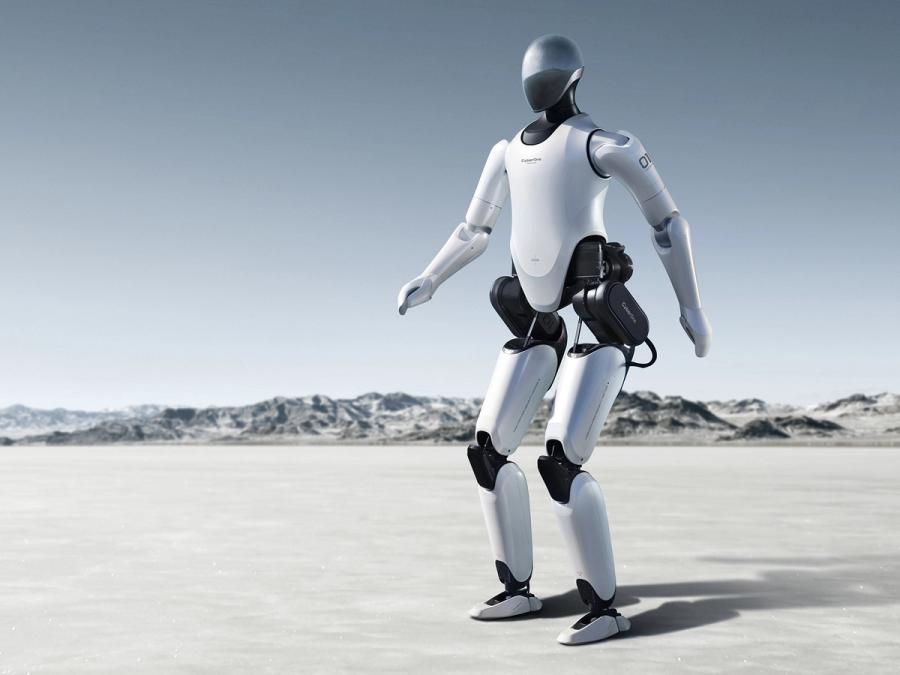
Executive summary The next 18 months will not be decided by motors or motion planners alone. Whether humanoid robots earn a durable foothold in hospitals, rehabilitation clinics and senior living communities between 2025–26 will hinge on non‑technical infrastructure: clear regulatory pathways, clinical validation designed for healthcare use cases, liability and insurance frameworks, reimbursement strategies, and provider procurement practices. Companies including Apptronik and 1X Technologies are positioning for medical‑grade approvals; Sanctuary AI and Figure are structuring pilots to capture human‑factors safety data; UBTECH and Xiaomi are testing tooling and assisted‑living integrations; Fourier Intelligence is embedding rehab clinicians into product development. This article maps the regulatory landscape, explains required certifications and testing, analyzes liability and procurement implications, and provides a practical checklist for providers considering humanoid pilots. Regulatory pathways and certifications — a quick map Humanoid robots used in healthcare sit on a spectrum from consumer "social companions" to regulated medical devices. Regulatory classification determines testing, timelines and commercial risk. United States — The FDA regulates devices intended for medical purposes. Surgical, diagnostic and therapeutic robots are medical devices subject to 510(k), De Novo or PMA pathways depending on risk. Robots marketed as "clinical aids" for monitoring, medication reminders or mobility assistance may escape device regulation if firms explicitly position them as wellness or consumer products, but that reduces adoption in regulated settings. Human factors and software lifecycle guidance (IEC 62304, FDA human factors guidance) apply for higher‑risk devices. European Union — The Medical Device Regulation (MDR) governs devices placed on the market with CE marking. Classification under MDR drives conformity assessment by notified bodies. Non‑medical "social" robots may fall under general product safety rules and the Machinery Directive, and must meet relevant harmonized standards (ISO 13485, ISO 14971 for risk management). Asia — National regimes vary. Japan and South Korea emphasize industry‑specific guidance and tend to require local clinical data for therapeutic claims; China has separate standards and often mandates local testing and certifications. Workplace safety — OSHA in the U.S., EU machine safety rules and ISO 10218/TS 15066 standards for collaborative robots influence deployment in clinical environments; hospitals and care homes must update risk assessments and staff training procedures. Common certifications and lab testing Quality management: ISO 13485 Risk management: ISO 14971 Electrical and electromagnetic safety: IEC 60601 (if device conducts clinical functions) Robotics safety: ISO 10218 / ISO/TS 15066 and ISO 13482 (personal care robots) Software lifecycle and cybersecurity: IEC 62304; IEC 62443 or EN ISO/IEC 27001 expectations for cloud components Human factors and usability engineering: FDA human factors guidance and IEC 62366 How companies are positioning for compliance and adoption Vendors vary in strategy: some pursue medical‑grade approvals and clinical partnerships; others aim for assisted‑living and wellness niches to accelerate market entry. Company Regulatory strategy Target use cases Business model / pricing Apptronik Pursuing medical‑grade approvals and clinical partnerships; investing in ISO 13485 and human‑factors data Inpatient care assistant, patient handling aids, therapy adjuncts Hardware sale + clinical services; expected price bracket: low‑to‑mid six figures per unit plus integration services 1X Technologies Early statements of intent to seek medical device approvals for clinical functions Mobility assistance, monitoring Product + subscription for remote monitoring and software updates Sanctuary AI, Figure Structuring pilot protocols to capture safety and human factors data to support later clinical claims Care tasks, telepresence, observational support Pilot deployments, enterprise licensing; unit pricing not broadly disclosed UBTECH, Xiaomi Tooling and assisted‑living trials; positioning as consumer/assisted living technology Social engagement, monitoring, simple assistance Lower unit pricing for scaled consumer channels; subscription add‑ons Fourier Intelligence Integrating rehab expertise; seeking adjunct‑therapy positioning rather than standalone therapeutic claim Rehabilitation therapy adjuncts, clinician‑supervised exercises Clinic sales with recurring service contracts Liability, insurance and procurement realities Liability is the single biggest non‑technical barrier. Who is responsible if a robot causes a fall, administers an incorrect medication reminder, or records sensitive patient conversations? Product liability vs. clinical negligence: Manufacturers face product liability claims if a design or manufacturing defect causes harm. Providers face negligence claims if they use devices outside of intended use, fail to train staff, or omit appropriate supervision. Contractual risk transfer: Vendors attempt to limit liability through warranties and indemnities; providers push for shared warranties, performance milestones and clear service level agreements (SLAs). Insurance: Hospitals and nursing homes must discuss coverage with carriers; early pilots have reported insurers requiring incident data, cybersecurity attestations and vendor indemnities before extending cyber‑medical or general liability coverage. Procurement implications: Facilities should treat humanoids as capital medical equipment if used in care delivery — demand evidence of conformity (CE/FDA status), human factors studies, and warranty/indemnity terms tied to clinical outcomes. Data privacy and informed consent Patient‑facing robots collect audio, video and physiological data. In the U.S., HIPAA applies when robots handle PHI; in Europe, GDPR requires lawful basis and data protection impact assessments. Providers must build informed consent procedures, limit data retention, and require vendors to support de‑identification and role‑based access controls. Clinician perspective: "We will not let a device interact unsupervised with vulnerable patients without documented risk analyses, cybersecurity attestations and a results‑driven pilot protocol," said a chief nursing officer at a large academic center (anonymized interview). Clinical validation: what regulators and buyers will want to see Regulators and hospital COOs expect data that goes beyond 'it works in the lab'. Typical evidence includes: Human factors/usability evaluations demonstrating safe operation by clinical staff and non‑technical caregivers Pilot safety data capturing near‑misses, adverse events, and root‑cause analyses Clinical outcome metrics (fall rates, therapy adherence, functional scores) when robots are used as adjuncts Economic analysis: total cost of care, staff time saved, and maintenance/upgrade costs Practical roadmap for providers considering humanoid pilots Providers who want to run pilots without exposing themselves to unacceptable risk should follow a structured checklist: Approvals to demand: CE/FDA status for clinical claims; evidence of ISO 13485 QMS; relevant safety standards (ISO 10218/TS15066, IEC 60601 if applicable); cybersecurity audits. Contract terms: Clear indemnity language, SLAs with uptime and mean‑time‑to‑repair, defined clinical endpoints, data ownership and breach notification timelines, and pilot termination clauses tied to safety thresholds. Metrics to capture: Safety incidents and near‑misses (time‑stamped), clinical outcomes (e.g., change in timed‑up‑and‑go, therapy session adherence), patient/resident dignity and acceptance (validated surveys), staff workload and time‑use studies, and economic impact. Operational safeguards: Supervised deployments initially, real‑time monitoring dashboards, mandatory staff training, and a human override for all robot actions. Competitive takeaways Short‑term winners will be those who reduce perceived risk for buyers: manufacturers that can present ISO/IEC certifications, human‑factors studies, tailored indemnities and clinic‑level economics. Apptronik and 1X Technologies are betting on medical‑grade positioning that appeals to hospitals and rehab networks; UBTECH and Xiaomi aim for breadth through assisted‑living and consumer channels where regulatory burdens are lower; Sanctuary, Figure and Fourier are prioritizing pilot evidence that will underpin later clinical claims. Ultimately, the decisive factor in 2025–26 will not be who runs the fastest gait or shows the slickest demo — it will be who demonstrates safety, liability clarity and measurable clinical value in real care settings. Providers and insurers will reward verifiable compliance and economic benefit, and vendors who ignore that non‑technical playbook will struggle to land enterprise deals.