Designing for Touch: Safety, Compliance and Human Factors Driving Healthcare and Eldercare Humanoids
Overview Humanoid robots are moving from lab curiosities toward assisted-care partners in clinics, rehabilitation centers and eldercare homes. This transition is driven by tight integration of safety...
Published by The Humanoid Race
Archived source unverified — no source link is available. The claims, figures and quotations have not been checked against an available source. Retained for historical context, not presented as newly verified reporting.
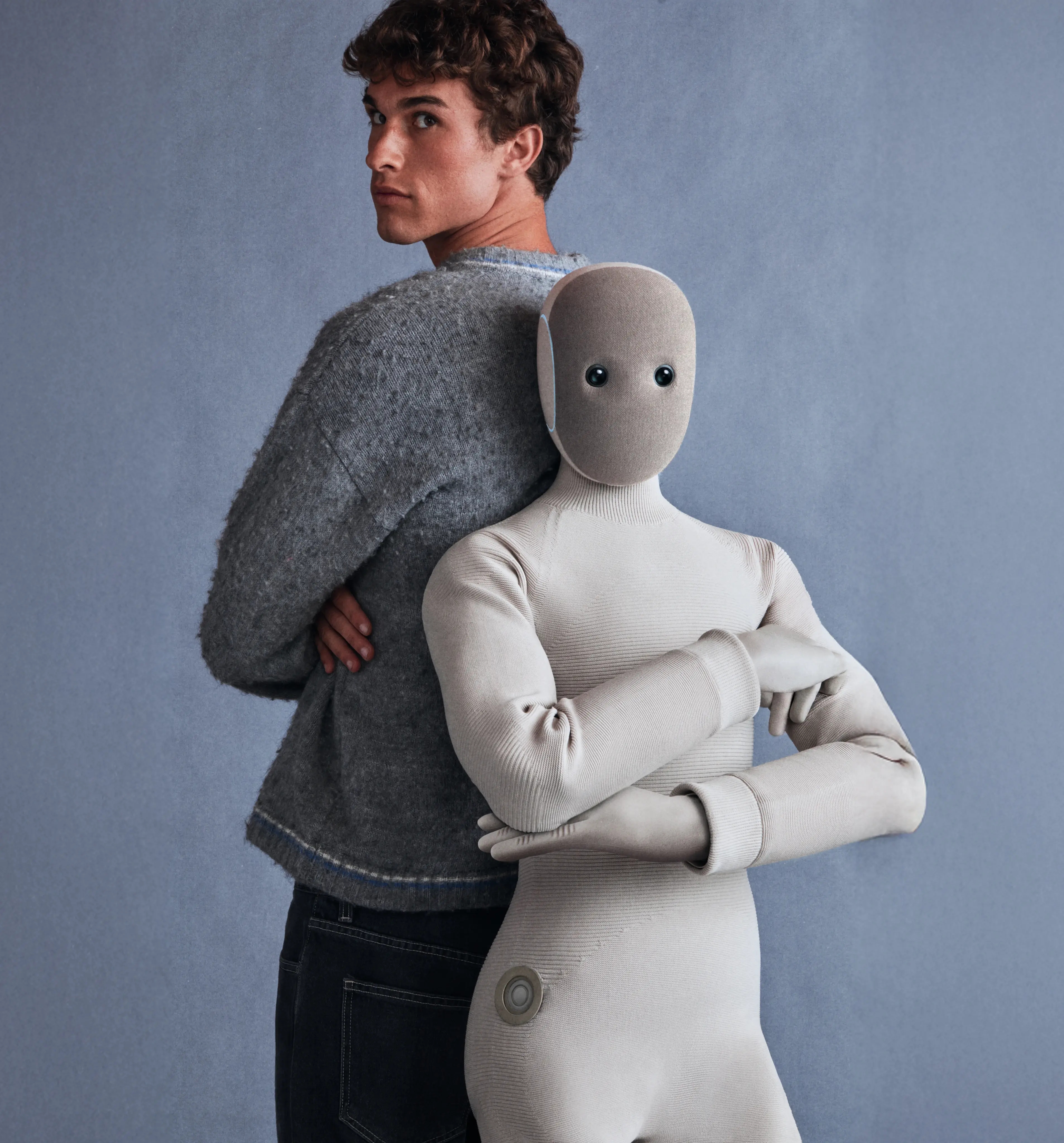
Overview Humanoid robots are moving from lab curiosities toward assisted-care partners in clinics, rehabilitation centers and eldercare homes. This transition is driven by tight integration of safety hardware (force-limited actuators, compliant grips and soft exteriors), richer sensor suites (depth, lidar, tactile skins) and human-centered design validated in early pilots. Companies including Sanctuary AI (Phoenix), Figure, 1X Technologies (NEO/EVE), Apptronik (Apollo), UBTECH and Xiaomi (CyberOne) are positioning different technical approaches at different points on the care stack — from telepresence and social engagement to hands-on assistance with activities of daily living. Integrators and health systems are running cautious, tightly controlled pilots that emphasize patient safety, interoperability and staff acceptance before any procurement commitment. Technical approaches enabling safe touch Developers are converging on a set of engineering patterns required for intimate care work: Redundant sensing — multiple depth cameras, stereo vision, lidar and IMUs to reduce single-sensor failures during approach and transfer. Tactile skin and force sensing — distributed pressure sensors and force-torque wrists that permit contact detection and layered response strategies. Force-limited, compliant actuation — series-elastic actuators, torque sensors and software torque limits that meet ISO/TS 15066 collaborative-robot thresholds. Proximity braking and dynamic safe zones — geofencing, human-intent prediction and adaptive braking to stop motion before unplanned contact. Compliant grips and soft exteriors — silicone or fabric coverings and soft robotic grippers to reduce slip and shear on skin. Multimodal intent recognition — voice, gesture and gaze recognition fused with contextual task models to distinguish consented touch from spontaneous contact. Public company materials and demonstrations show different emphases: Sanctuary and Figure emphasize dexterous hands and full-body manipulation; Apptronik highlights whole-body compliance and actuator architecture; Xiaomi and UBTECH prioritize rich sensing and social/telepresence modalities for low-contact care. 1X Technologies markets compact assistive humanoids (NEO/EVE) focused on in-home assistance and monitoring. Clinical pilots, study design and early outcomes Hospitals and care providers are structuring pilots as staged, IRB‑approved studies that progress from safety and usability to efficacy endpoints. Typical designs include: Phase 1 usability pilots (n=10–30, 2–8 weeks) focused on safety events, task completion, and staff workload. Phase 2 non-randomized trials (n=30–100, 8–24 weeks) measuring caregiver time saved, patient mobility assistance, and fall incidence as secondary endpoints. Randomized controlled trials (reserved for devices performing clinical tasks) with clinical endpoints such as pressure ulcer incidence, readmissions or therapy adherence. Early vendor-reported outcomes and academic collaborations indicate modest but measurable benefits: telepresence and social-interaction robots (UBTECH/SoftBank-style systems) improve mood and engagement in long-term care residents; logistic and fetch-assist robots (non-humanoid examples such as Diligent Robotics' Moxi) have reduced clinician time spent on non-direct care tasks by vendor-reported 10–25% in single-site pilots. Hands-on humanoid pilots remain limited; providers report proof-of-concept successes in assisted transfers and toileting simulations under strict oversight, but published multi-site clinical efficacy data remain sparse. Regulatory, certification and liability demands Hospitals demand clear safety evidence and contractual risk allocation. Key regulatory and standards touchpoints include: ISO 13482 (safety of personal care robots) for domestic and care robots. ISO/TS 15066 (cobots) for collaborative force and pain-threshold guidance. ISO 14971 and IEC 60601 paths when robots perform regulated clinical interventions. HIPAA and GDPR compliance for sensor data and video streams in care settings. Procurement teams increasingly require: third-party safety testing, product liability insurance, cybersecurity attestation, and indemnities covering patient injury arising from robot operation. From a payer perspective, insurers are conservative: reimbursement pathways for humanoid-assisted care are nascent. Unless robots perform billable clinical tasks, providers must justify capex or RaaS models through operational savings and staff retention metrics. Interoperability, privacy and ethics Interoperability is treated as a requirement, not a nicety. Providers want EHR integration via HL7/FHIR for care notes and tasking, and secure telehealth bridges using standards like WebRTC. Privacy controls — on-device anonymization, encrypted streams and audit logs — are non-negotiable for care deployments. Ethical concerns are acute with vulnerable populations: informed consent (including for cognitively impaired residents), preventing social isolation via robot substitution, and transparency about data use. Hospitals are instituting consent protocols, family notifications and independent ethics review for pilot approval. How companies are marketing to health customers Positioning varies by vendor: Sanctuary and Figure market generalist manipulation for labor-intensive tasks (positioned toward hospitals and rehab centers needing dexterity). Apptronik emphasizes safety-engineered actuation and industrial‑grade reliability for assisted transfers and logistics in hospital back-of-house operations. UBTECH and Xiaomi position humanoids as social and telepresence platforms for eldercare and outpatient engagement. 1X Technologies and integrators bundle sensors, telehealth links and monitoring services for in-home eldercare subscriptions. Competitive snapshot Company Robot / Focus Safety & Compliance Emphasis Clinical / Care Role Commercial Status Sanctuary AI Phoenix / dexterous manipulation High — tactile hands, layered sensing Assistance, transfers (R&D pilots) Prototype / limited pilots Figure General-purpose humanoid Actuation & dexterity focus Logistics, assistance (longer-term target) Early commercialization Apptronik Apollo / compliant actuators Whole-body compliance, ISO alignment Assisted handling, back-of-house Pilots & partnerships UBTECH Consumer/care humanoids Social safety, proximity sensors Social engagement, telepresence Commercial deployments in China Xiaomi CyberOne / sensor-rich prototype Advanced sensing demo Research & demo for home assistance Prototype / not commercialized at scale 1X Technologies NEO / EVE Compact assistive platforms In-home monitoring & assistance Commercial / integrator offerings Pricing and business models Price points remain high for humanoid systems: early units and integrated solutions typically represent six‑figure investments for hardware plus integration and safety certification. Vendors are responding with Robot-as-a-Service (RaaS), leasing and outcome-based pricing tied to uptime or staff hours saved. Procurement teams must budget not only for hardware but for facility retrofits, training, ongoing maintenance and liability insurance. Recommendations for designers and procurement teams Design to standards from day one (ISO 13482, ISO/TS 15066, IEC 60601 where applicable). Build layered sensing and graceful degradation — prove stop distances and force thresholds in clinical scenarios. Integrate HL7/FHIR and secure telehealth APIs; ensure on-device data minimization and auditability for HIPAA/GDPR. Run staged pilots with IRB oversight, small cohorts and explicit safety endpoints before scaling. Draft clear liability and indemnity clauses; require vendors to carry clinical product liability coverage. Invest in staff co-design and simulation training to drive acceptance and mitigate workload displacement concerns. Conclusion Humanoid robots have crossed important technical thresholds — compliant actuators, tactile skins and multimodal sensing — but their path into clinical and home care will be incremental. Success depends as much on rigorous safety validation, interoperability and ethical governance as on the robots’ motors and cameras. For hospitals and eldercare providers, the near-term value is likely to be in hybrid deployments: social and telepresence roles immediately, closely supervised hands-on assistance in controlled pilot settings, and broader functional adoption once robust clinical evidence, regulatory clarity and insurer pathways emerge.