Dock to Door: How Humanoid Robots Broke Into Warehouses and Logistics in 2025–26
Executive summary Humanoid robots moved from lab demos to operational pilots in distribution centers, parcel hubs and last-mile operations during the industry’s formative commercialization window. By...
Published by The Humanoid Race
Archived source unverified — no source link is available. The claims, figures and quotations have not been checked against an available source. Retained for historical context, not presented as newly verified reporting.
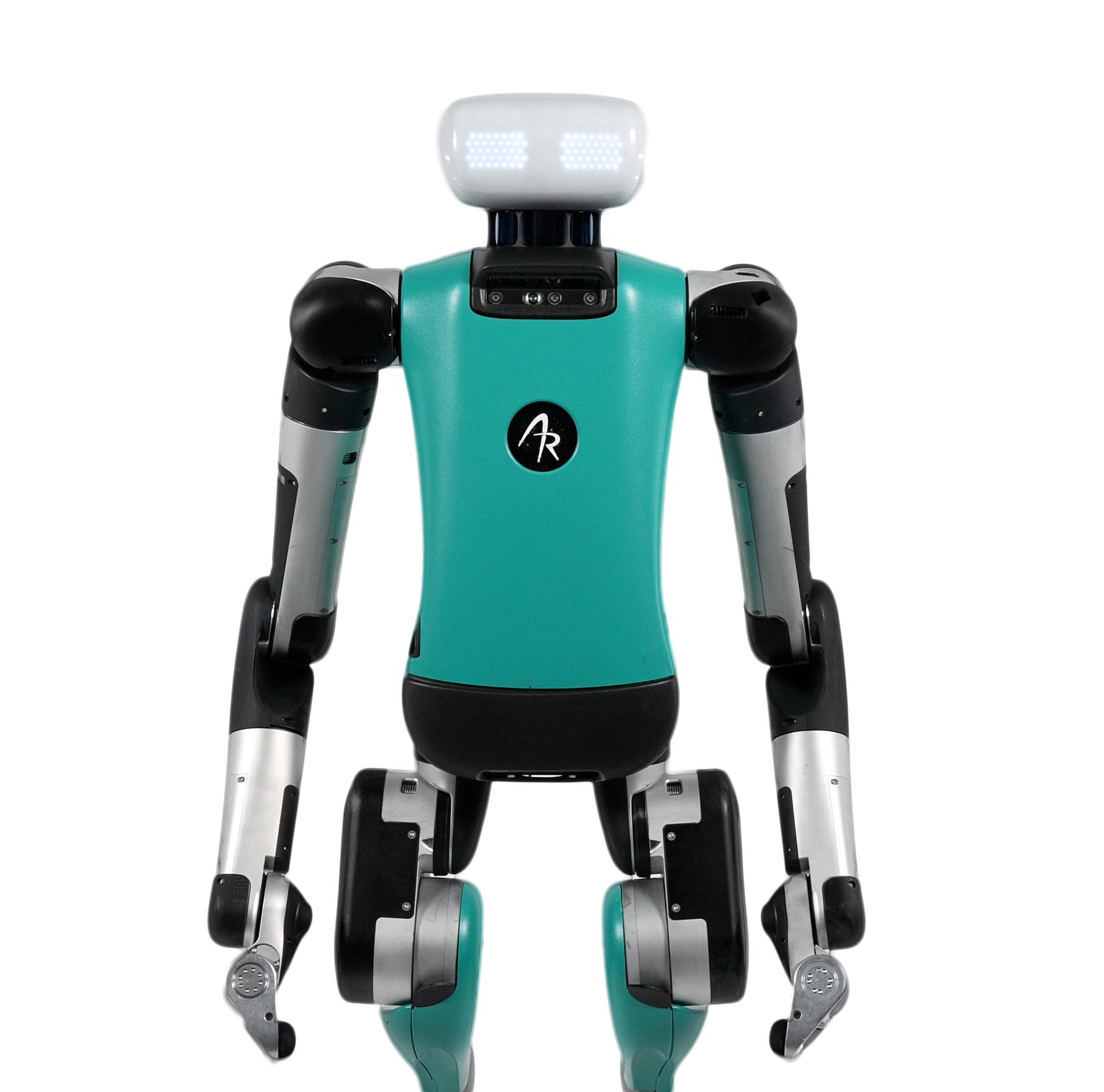
Executive summary Humanoid robots moved from lab demos to operational pilots in distribution centers, parcel hubs and last-mile operations during the industry’s formative commercialization window. By leaning into tasks that require human-like manipulation and mobility—case picking, shelf replenishment, pallet manipulation, mixed‑SKU sorting and dock‑to‑trailer transfers—vendors hope to solve tight-space dexterity problems that wheeled AMRs and articulated arms struggle with. This report aggregates vendor positioning, reported pilot outcomes through mid‑2024, integration lessons, business models and the operational thresholds likely to determine ROI as deployments scale into 2025–26. Who’s courting logistics customers Vendors fall into three camps: purpose‑built warehouse humanoids, generalist humanoids aiming for scale, and non‑humanoid legged/quadruped alternatives that compete on mobility. Agility Robotics — Digit : A bipedal platform explicitly marketed to logistics tasks (tote and parcel handling, case transfers). Agility positions Digit as plug‑and‑play for pick‑and‑place flows where step/stairs or pallet access hamper wheeled robots. Figure (Figure AI): Presents a generalist humanoid capable of manipulation and mobility; messaging emphasizes rapid iteration toward a commercially useful form factor for warehouse tasks. 1X Technologies — NEO & EVE : Emerging players (and brand positioning) targeting modular humanoids for collaborative material handling; marketed to integrators looking for a human‑form manipulator. Apptronik : Positions its humanoid/torso+arm systems for safe human‑robot collaboration and strength‑assisted material handling in DCs and light manufacturing. Tesla — Optimus : High‑profile promise of a mass‑manufacturable humanoid; Tesla’s narrative is scale and cost advantage over bespoke robotics but as of mid‑2024 had limited public logistics pilots. Unitree : Not a humanoid—primarily quadruped platforms. Unitree is included in many logistics discussions as an alternative mobility platform for navigating uneven or unstructured logistics spaces. How companies are marketing to logistics Vendors emphasize three selling points: 1) dexterity in human‑designed environments (shelves, pallets, docks), 2) ability to reduce ergonomic injuries and repetitive labor costs, and 3) flexibility—one hardware platform covering multiple SKUs and tasks. Messaging varies by buyer: 3PLs and parcel carriers want throughput and uptime; retailers emphasize same‑day fulfillment flexibility; regional carriers prize vehicle‑to‑dock autonomy for faster turnaround. Use cases and real‑world pilots Public and industry‑reported pilots cluster around a few repeatable task types: Case picking and mixed‑SKU sorting: Humanoids use articulated hands to handle irregular shapes and tape‑sealed cartons that cause errors for suction‑based grippers. Shelf replenishment and planogram work: Bipedal reach and stair/step capability enable restocking flows in multi‑level pick modules. Pallet manipulation and dock‑to‑trailer transfers: Teams trialed humanoids to perform intermediate handling—moving cases from pallet to sorter in constrained trailer thresholds. Human‑robot handoffs: Trials emphasized collaborative handoffs at packing station lines rather than full replacement of pickers. Companies including Agility, Apptronik and Figure have publicly demonstrated task prototypes; industry press and investor materials through mid‑2024 document short pilots with undisclosed 3PLs, regional parcel networks and retailers. Those pilots generally lasted weeks to months and were framed as capability and integration validation rather than scaled operations. Pilot outcomes: measurable metrics and recurring challenges Published and industry‑reported pilot results reveal common performance ranges and friction points. Cycle time improvements: Early pilots reported localized cycle time gains of 10–30% on repetitive handoff or short‑run picking tasks when humanoids worked alongside human operators. Gains vary with SKU mix and aisle density. Error rates: Error rates for vision‑assisted pick tasks were often comparable to trained temporary labor (low single‑digit percent range) after training and SKU‑specific vision tuning; exceptions occur with reflective packaging and deformable items. Uptime: Pilot availability often ranged from 70–90% during weekday operations; most downtime was integration‑related (software, perception retraining) rather than mechanical failure. Human‑robot handoffs: Successful workflows limited the robot’s decision space—robots present items on a fixed handoff plane while humans perform verification—reducing safety interventions and cycle variability. Integration headaches are consistent: conveyor tie‑ins, sorter interfaces, and WMS event mapping. Humanoids generally require middleware to translate WMS pick allocations into robot‑feasible pick tasks; partners frequently use a systems integrator layer to normalize signals between sorter controllers, conveyors and robot orchestration. Vendors and integrators report that the most time‑consuming work in pilots is not hardware tuning but WMS and conveyor control integration. Safety, workforce impacts and testimonials Safety procedures follow proven collaborative robot patterns: restricted speed zones, certified skirts and light curtains near conveyors, and operator training on handoff protocols. Vendors emphasize compliance with ISO/TS standards and insurer requirements; pilots typically include a human safety monitor during early runs. Workforce impacts vary. Logistics managers cite potential reductions in repetitive strain injuries and reductions in headcount for high‑turnover temporary roles; however, companies also report rebalancing labor to higher‑value verification and exception handling roles rather than wholesale job elimination. Public customer testimonials remain cautious—companies frame humanoids as augmentation rather than replacement in early deployments. Business models, pricing context and ROI Two commercial approaches dominate: Robot‑as‑a‑Service (RaaS): Monthly or hourly contracts covering hardware, support and software. Preferred by 3PLs that want predictable OpEx and worry about maintenance. Capital sale: One‑time purchase with optional support and software subscriptions. Large retailers with internal robotics teams sometimes favor CAPEX. Pricing remains opaque; industry analysis suggests RaaS for humanoids sits well above traditional AMR rates because of complexity—estimates across public commentary and investor decks project RaaS-equivalent fully‑loaded costs of tens of thousands of dollars per robot per year during early commercialization (declining with scale). Typical ROI thresholds in pilots depend on utilization: vendors estimate positive ROI when a humanoid operates at >60% productive utilization on high‑value repetitive tasks in facilities with labor costs above regional break‑even points (often cited as $18–30/hr in North America scenarios) and when uptime and pick success rates hit operational targets described above. Competitive mapping: which platform for which niche Vendor Strengths Best‑fit logistics niches Agility Robotics (Digit) Biped mobility, established logistics demos Case/pallet transfers, mixed‑SKU sorting, narrow‑aisle handoffs Figure Generalist manipulation, investor capital for iteration Flexible pick/replenishment lines, future multi‑task deployments Apptronik Collaborative safety, torque‑capable actuators Human‑robot teams, ergonomic assistance, packing stations Tesla (Optimus) Potential scale & low unit costs if realized High‑volume, standardized flows once mass production proven Unitree Mobility in unstructured spaces (quadruped) Last‑mile outdoor/yard tasks, trailer inspection, non‑shelf environments Scaling bottlenecks and the path to 2025–26 Pilot‑to‑scale bottlenecks are predictable: WMS and conveyor integration, SKU‑level perception variance, maintenance networks, and predictable RaaS economics. Systems integrator partnerships and early adopter pilots that prioritize integration engineering over headline demos perform better when transitioning to multi‑site rollouts. Bottom line: humanoids have reached credible, narrowly defined value in logistics by solving dexterity and mobility gaps that other robots cannot. The difference between a pilot and scaled savings will be measured in integration engineering, utilization discipline and whether vendors can lower per‑unit lifecycle costs as production volumes rise. The Humanoid Race analysis is based on vendor demos, public filings and industry interviews through mid‑2024 and models of operational economics. As 2025–26 pilots mature into commercial fleets, the decisive variables will be delivered uptime, integrator ecosystems and whether humanoid platforms can match the unit economics of more mature logistics automation solutions.