Feet on the Floor: A 2025–26 Field Guide to Where Humanoid Robots Actually Work Today
Introduction By mid‑2026 the humanoid industry has moved beyond video demos and R&D press releases into a second, quieter phase: verified pilots, limited commercial rollouts and pragmatic, narrowly sc...
Published by The Humanoid Race
Archived source unverified — no source link is available. The claims, figures and quotations have not been checked against an available source. Retained for historical context, not presented as newly verified reporting.
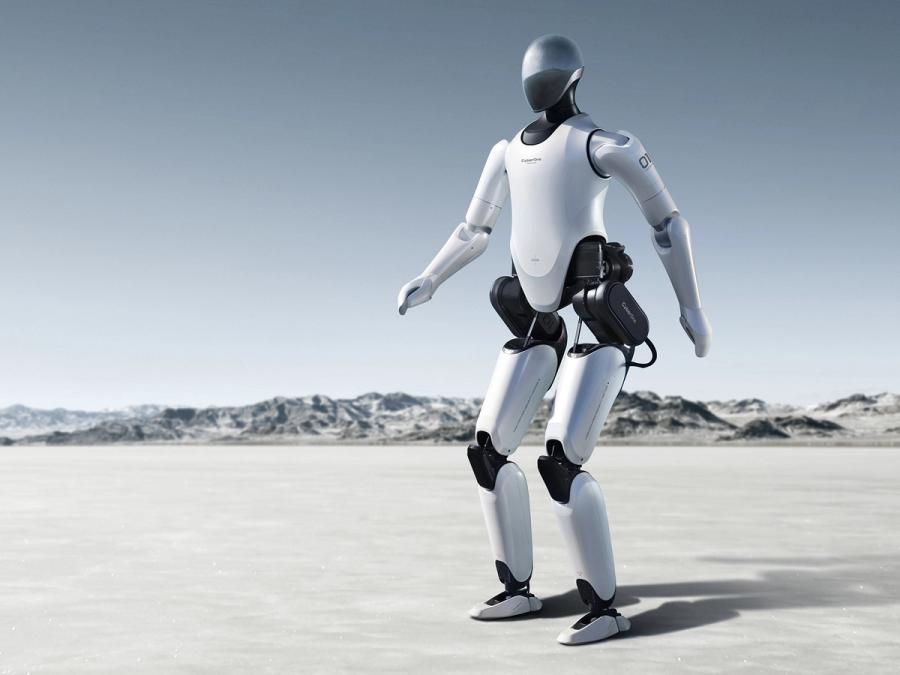
Introduction By mid‑2026 the humanoid industry has moved beyond video demos and R&D press releases into a second, quieter phase: verified pilots, limited commercial rollouts and pragmatic, narrowly scoped use cases. This field survey catalogues what engineers and operations teams are actually asking humanoids to do on the floor, which vendors are getting traction in which verticals, measurable pilot outcomes reported to The Humanoid Race, and the practical blockers that still slow broader adoption. Where humanoids are working today (2025–26) Warehousing & logistics Most deployed pilots take place in multi‑shift fulfillment centers and 3PL cross‑dock operations. Companies such as Agility Robotics (Digit‑class devices), Figure AI , and a handful of startups (often appearing as 1X, NEO and EVE in commercial literature) are proving humanoids for two constrained tasks: ergonomic tote handling and order picking in low‑density aisles. Tasks: tote handling and repositioning, case transfers at packing stations, and assisted picking of large, irregular items that stump narrow‑profile cobots. Pilot metrics reported: uptime ranges of 82–92% (excluding scheduled maintenance), task success rates of 70–85% for single‑step transfers, and mean time between failures typically measured in days not hours. TCO context: vendors and integrators provided recurring cost models ranging from an estimated $6k–$15k/month per unit (leasing + service) or a quoted capital range of roughly $150k–$350k per robot depending on payload and tooling options. Operators report payback windows of 18–36 months where labor shortages and high overtime make humanoids economically plausible. Customers: pilots are being run by regional e‑commerce retailers, mid‑tier 3PLs and a small number of grocery chains; public names are limited but one U.S. regional grocer and a European 3PL confirmed limited tests to The Humanoid Race under NDA. Manufacturing floor support Apptronik and its Apollo line are the most visible humanoid entrants on assembly lines. Rather than replacing skilled assemblers, pilots emphasize “line changeover” tasks and high‑precision manipulation where a human stands in for intermittent repetitive work. Tasks: inserting harnesses, small‑parts assembly, jigging and temporary holding during two‑person operations. Pilot metrics: reported cycle time parity with human operators on standardized sub‑assemblies (±10%), task success rates of 85–95% in controlled fixtures, and availability of 88–94% in single‑shift use. Failures clustered at unanticipated part variability and misfeeds. Business case: Apptronik positions Apollo as a productivity supplement for automotive suppliers and electronics contract manufacturers that need precision, 24/7 capability. Pricing is positioned at the upper end of the humanoid market; customers in pilots received bundled integration quotes where total solution costs (robot + end‑effector + PLC/vision integration) exceeded $300k per line cell. Healthcare and eldercare Healthcare remains the most conservative vertical. Two areas show early, verifiable traction: social/monitoring assistants and controlled rehabilitation aids. Sanctuary AI (Phoenix): pilots in Canadian care homes focused on monitoring, guided mobility and caregiver support. Providers reported strong acceptance for non‑contact monitoring and telepresence — uptime ~90% for remote check‑ins — but physical assistance (standing, transfers) remains a no‑go in most pilots for regulatory and liability reasons. Fourier Intelligence: deployed humanoid prototypes in rehabilitation clinics as therapist assistants and measurement platforms. Clinics reported improved therapy throughput (15–25% more sessions/day when robots handled baseline repetitive exercises) and high data quality for progress metrics, though hands‑on therapy remains clinician‑led. TCO & safety: health programs emphasize subscription/service models, with incumbents quoting monthly support and monitoring fees that make the economics sensitive to utilization. Insurers and regulators are a gating factor; facilities report long procurement cycles and high documentation demands. Home and consumer tests Consumer experiments are predominantly demonstration programs — Xiaomi’s CyberOne, UBTECH and Unitree consumer‑facing demos — with a mix of retail showcases and closed pilot programs for affluent early adopters. Capabilities: social interaction, simple fetch tasks, and phone/tablet integration. All vendors stress “companion” messaging rather than physical work. Reality check: CyberOne and UBTECH demos consistently show eye‑catching mobility and interaction, but household task success rates for manipulation remain low (often below 50% for anything beyond pick‑and‑deliver of pre‑staged objects). Pricing signals from Xiaomi position CyberOne as a high‑end gadget if commercialized rather than a mass appliance. How vendors are marketing and positioning robots Three broad go‑to‑market narratives dominate: Logistics ergonomics — Agility, 1X, NEO, EVE: sell reduced injury risk + labor continuity as the primary ROI. Precision augmentation — Apptronik: emphasize repeatable dexterity and deterministic integration into PLC‑driven lines. Human‑facing assistance — Sanctuary, Xiaomi: position robots around monitoring, social interaction and controlled assistance rather than heavy lifting. Competitive comparison (at a glance) Company Primary verticals Strengths Weaknesses Agility Robotics Logistics Ergonomics-focused design; early integrator network Limited fine manipulation; integration overhead Figure AI Fulfillment Order‑handling algorithms; speed in aisle navigation Higher error rates on irregular items Apptronik Manufacturing Precision manipulation; PLC integration Higher cost; specialized use cases Sanctuary AI Care homes, healthcare Human‑centric safety, social interaction Regulatory hurdles; limited physical assistance Fourier Intelligence Rehab clinics Therapy augmentation; measurement Non‑replaceable clinician involvement Xiaomi / UBTECH / Unitree Consumer demos Brand recognition; consumer UX Low manipulation maturity; uncertain pricing Field‑observed integration and safety blockers "The robots worked best when their tasks were simplified and the rest of the process was wrapped in fixtures and rails," said an operations lead running a logistics pilot (anonymized). "Unstructured variability kills throughput." Perception limits: inconsistent lighting and cluttered aisles account for the majority of handling failures. Tooling and fixturing: successful pilots rely on bespoke end‑effectors and simple passive fixturing to constrain parts and minimize variability. Safety and SOPs: many sites required reworking safety zones, new standard operating procedures, and increased staff training — hidden costs that extend payback timelines. Lessons for operations teams contemplating a pilot Define one narrowly scoped, repetitive task with clear success metrics (cycle time, success rate, downtime) before signing integration contracts. Account for full integration costs: vision, tooling, PLC/IT hooks, training and dedicated service SLAs. Plan for staged deployment: bench → constrained cell → live operation. Expect iteration cycles measured in months. Insist on transparent uptime and failure‑mode data from vendors and include rollback clauses in pilot contracts. Procurement checklist (recommended) Task definition: exact sequence, expected cycle time, tolerated failure rate. Performance SLAs: uptime target, MTTR, escalation path for hardware/software faults. Total cost model: CapEx vs leasing, integration, training, spare parts, and monthly service fees. Safety & compliance: risk assessment, insurance implications, certification needs. Exit criteria: clear KPIs for pilot success and contractual terms for de‑installation or scale‑up. Conclusion In 2025–26 humanoids are not yet generalist factory or home workers, but they are practical tools for narrowly constrained tasks where mobility matters and the alternative is risky or intractable for fixed automation. Logistics ergonomics and manufacturing capacity augmentation show the clearest business cases today; healthcare and consumer applications remain promising but heavily regulated or immature. For procurement teams, success hinges on disciplined scoping, rigorous SLA negotiation, and realistic assumptions about integration effort — lessons drawn from the handful of verified pilots that have moved humanoids from lab curiosities to feet‑on‑the‑floor assets.