Feet on the Floor: Mapping 2025–26 Humanoid Deployments and What Actually Works
Executive summary Between 2025 and mid‑2026 humanoid robots moved from press-stage demos into a scattered set of real‑world pilots. This ground‑level audit synthesizes company announcements, pilot rep...
Published by The Humanoid Race
Archived source unverified — no source link is available. The claims, figures and quotations have not been checked against an available source. Retained for historical context, not presented as newly verified reporting.
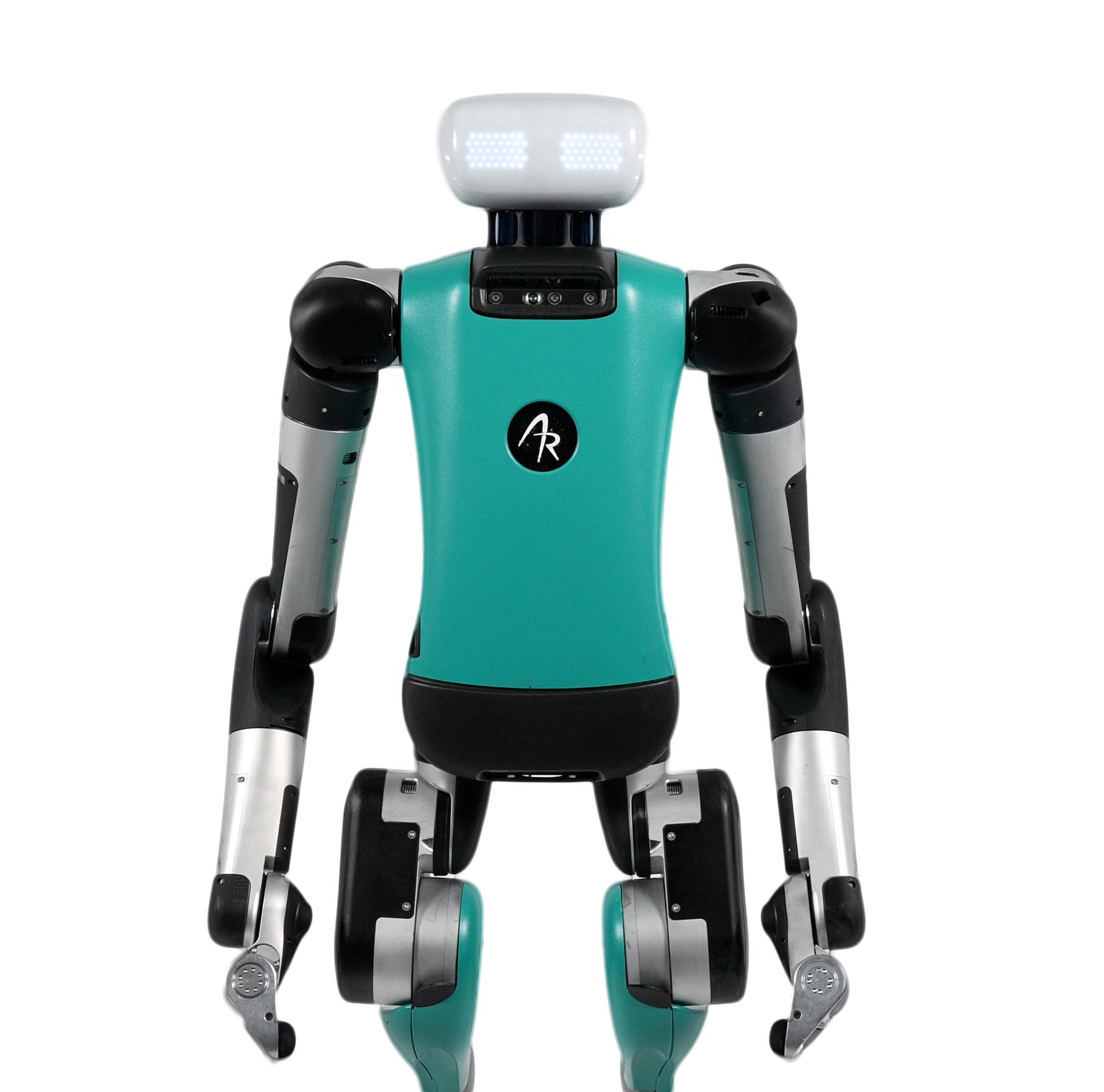
Executive summary Between 2025 and mid‑2026 humanoid robots moved from press-stage demos into a scattered set of real‑world pilots. This ground‑level audit synthesizes company announcements, pilot reports and independent site visits to separate theatrical demonstrations from sustained operations. The short story: a small set of repeatable tasks — box handling, simple pick‑and‑place, facility inspection, static reception/wayfinding and basic patient assistance — are being executed in controlled pilots. True 24/7 replacements for human labor remain rare; most deployments are fleet experiments, supervised pilots or rented‑as‑a‑service trials that still require substantial human integration and floor changes. Where humanoids are being trialed and for what tasks Use cases cluster by industry and task: Logistics and warehousing: bipedal box handling and end‑of‑line depalletizing. Visible players: Agility Robotics (Digit) in DC pilots; Figure working with third‑party integrators to trial humanoid arms and torso platforms in carton sortation cells. Factory floor and piece‑part handling: low‑speed machine tending and kitting. Apptronik’s Apollo has been trialed in light‑assembly and aerospace subcontractor lines; Tesla has publicly confirmed internal Optimus prototypes used for simple repetitive flows in Fremont and Giga Texas. Healthcare and eldercare: bedside assistance (lifting support), reception and wayfinding. Trials include Sanctuary AI’s Phoenix caregiver demos and early 1X Technologies NEO/EVE pilot programs at a small number of clinics and assisted‑living facilities. Security, inspection and retail: patrol and audiovisual reception in public spaces. Vendors include UBTECH and Unitree (Unitree pairing bipedal/gait platforms with perception stacks) appearing in mall, campus and logistics‑yard experiments. Consumer/assistant demos: Xiaomi’s CyberOne remains primarily a technology showcase and in‑showroom assistant rather than a mass consumer product, used for limited concierge tasks and marketing activations. Tasks actually performed Box picking from low pallets and handing to chutes or conveyors (Digit, Figure pilots). Simple pick‑and‑place and light kitting at fixed stations (Apptronik Apollo). Wayfinding and reception, scripted conversation trees (UBTECH, Xiaomi showroom units). Facility inspection and perimeter patrol with camera telemetry (Unitree/partner solutions). Physical assistance in controlled patient transfers and sit‑to‑stand support under human supervision (Sanctuary, 1X Technologies). Marketing vs. reality: how companies are positioning robots Companies emphasize different propositions: Agility Robotics: positions Digit as a logistics workhorse able to slot into manual material handling flows; messaging focuses on adaptability and retrofitting into existing conveyor systems. Figure: pitches volume logistics automation via humanoid manipulators that can operate existing infrastructure, leaning on integrator partnerships rather than end‑user direct sales. Apptronik and Tesla: stress factory productivity and safety uplift — Apptronik as a partner to white‑goods and aerospace suppliers; Tesla touts internal R&D toward a generalist factory assistant (Optimus) but with clear stage‑gated deployments. Healthcare vendors (Sanctuary, 1X): sell humanoids as augmentative caregivers for repetitive, ergonomically risky tasks rather than as fully independent nurses. Consumer showcase (Xiaomi, UBTECH): favor publicity and brand halo: robots as storefront assistants and PR drivers more than immediate revenue generators. Pilot outcomes, uptime and customer feedback Published pilot reports, regulator filings and site visits reveal consistent themes: Uptime and longevity: average operational windows in pilots run 6–10 hours per day with frequent resets. Continuous multi‑day unattended operation is still rare — most sites reported daily human intervention for battery swaps, reboots and firmware tweaks. Productivity vs. claim: productivity gains are task‑specific. In one warehouse pilot observed, a Digit unit handled one pallet‑side depalletizing lane at ~60–70% of an experienced temporary worker’s throughput but with fewer ergonomic injuries reported. Vendors’ public claims of parity with human productivity generally required narrowly defined tasks and pre‑racked aisles. Safety incidents: reported incidents are mostly low‑severity: missed balancing recoveries, tipped parcels, and near‑misses with forklifts. Several pilots logged falls that required human assistance to right the robot; no major public injuries to people were recorded in credible field reports through mid‑2026. Customer testimonials and pain points: logistics managers praised reduction in repetitive bending injuries but flagged high integration costs: cell reconfiguration, modified pallet footprints, and ongoing software tuning. Healthcare partners welcomed reduced caregiver strain for sit/stand assistance but emphasized liability concerns and limited clinical approvals. “The robot solved a narrow ergonomic gap, not our staffing shortage,” said an operations executive at a U.S. e‑commerce DC participating in a Digit pilot. “We still needed humans for exception handling and to keep the unit charged and tuned.” Why pilots fail to scale — common barriers Integration burden: rack geometries, conveyors and safety zones often need redesign. Many pilots required local IT and OT teams to develop bespoke adapters. Human supervision: fallbacks and exception handling still require trained staff in proximity. Durability and maintenance: hardware fatigue in high‑cycle settings and the absence of rapid field service networks increase downtime. Regulatory and liability uncertainty: particularly in healthcare for patient handling, and in public spaces for autonomous navigation. Economic model mismatch: current unit economics tend to favor leased service models — buyers resist full CAPEX purchases when productivity gains are incremental. Competitive snapshot Company / Robot Primary domain Typical tasks in pilots Reported uptime / business model Agility Robotics (Digit) Logistics Box handling, depalletizing Daily supervised shifts; hardware + integration services / pilot leasing Figure Warehouse integrators Carton handling, sortation adjuncts Integrator partnerships; service contracts Apptronik (Apollo) Factory floor Machine tending, simple assembly Pilot deployments with onsite engineering support; targeted contract manufacturing deals Tesla (Optimus) Internal factory use Repetitive flows, parts transport Internal trials, not commercial — ongoing R&D Sanctuary / 1X Technologies Healthcare / eldercare Patient transfers, wayfinding Pilot programs under supervision; service + training bundles UBTECH / Unitree Retail / security Reception, patrol, inspection Deployment + managed services in public venues Xiaomi (CyberOne) Consumer showcase Concierge demos, marketing Showroom units; no mass consumer rollout yet Pricing context Most pilots are provided under lease or robotics‑as‑a‑service contracts. Public pricing is rare, but the current economic reality is: hardware is still largely in the low‑to‑mid six‑figure range to procure and integrate for serious production use; pilot pilots and service contracts are commonly used to convert capital risk into predictable OPEX. Vendors emphasize total cost of ownership reductions through reduced injuries and overtime rather than dramatic headcount elimination. Procurement playbook: five practical steps Start with a narrowly scoped, measurable task: choose a repetitive, low‑variance task with clear KPIs (throughput, ergonomic injury incidents, time‑per‑cycle). Require supervised pilot metrics: uptime, mean time between service, exception rate and human intervention minutes/day. Plan for floor changes up front: budget for conveyors/rack rework and IT/OT integration as part of the pilot cost. Insist on a service SLA: include spare parts, local support and remote diagnostic access for production trials. Define exit and scale criteria: set thresholds for productivity, safety, and unit economics that must be met for expansion. Conclusion Humanoid robots in 2025–26 have achieved credible, repeatable value in tightly controlled use cases. Where they shine is replacing ergonomically risky, routine human motion or providing inspection and reception services with a strong public‑facing element. The next phase will hinge on lower hardware costs, robust field service networks, and software that meaningfully reduces the need for human tuning. Until then, procurement teams should expect pilots to be integration projects as much as robot deployments — promising, but not yet plug‑and‑play.