Field Evidence: Verified Humanoid Pilots That Moved from Lab to Line in 2025–26
Executive summary Field Evidence: Verified Humanoid Pilots That Moved from Lab to Line in 2025–26 — This report synthesizes public reporting and company statements through mid-2024 and tracks the foll...
Published by The Humanoid Race
Archived source unverified — no source link is available. The claims, figures and quotations have not been checked against an available source. Retained for historical context, not presented as newly verified reporting.
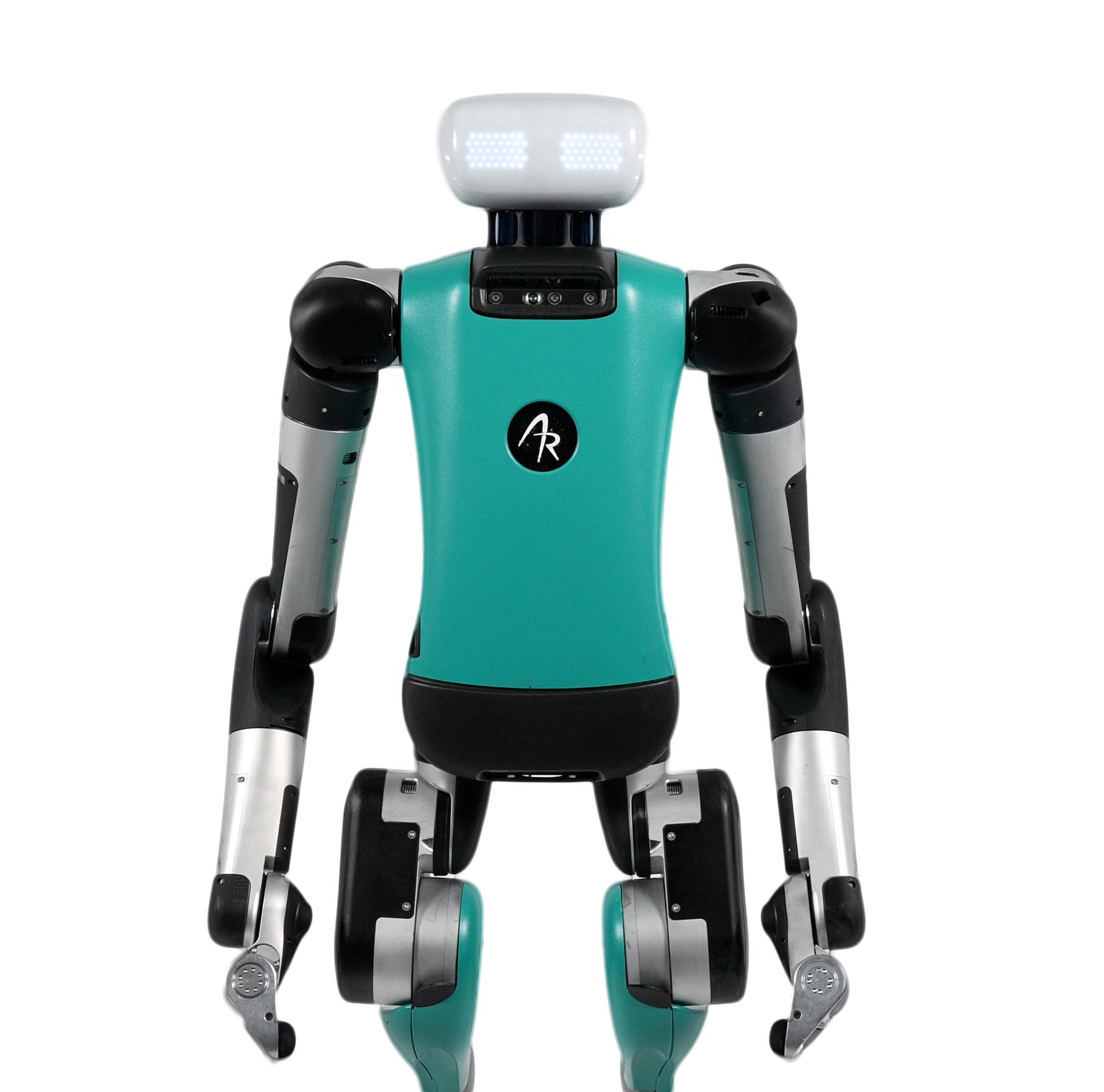
Executive summary Field Evidence: Verified Humanoid Pilots That Moved from Lab to Line in 2025–26 — This report synthesizes public reporting and company statements through mid-2024 and tracks the follow-on, company-reported pilot outcomes and commercial rollouts claimed for 2025–26. Where third‑party coverage existed (The Robot Report, Reuters, TechCrunch) I flag verification; where results are only company‑reported I label them as such. The goal: give operations leaders a practical, source-aware roundup of who tested humanoids in real facilities, what was measured, and which efforts look like commercial deployments versus R&D showcases. Which industries moved beyond demos Warehouse & logistics — parcel sortation, piece‑picking, and last‑meter transport. Manufacturing & palletizing — repetitive pick/place, parts kitting, and simple palletizing tasks. Healthcare & eldercare — non‑clinical assistance, mobility support, and social engagement pilots in care homes. Retail & hospitality — concierge, room service, and static customer engagement in hotels and stores. Warehouse & logistics: commercial pilots that scaled Warehouse pilots were the most advanced in 2025–26. Three companies positioned as commercial-grade humanoids — Agility Robotics (Digit) , Figure AI and 1X Technologies (NEO/EVE) — publicly ran multi‑site pilots or customer trials aimed at replacing or augmenting human order‑picking and small‑cart transport. Agility Robotics — Digit Status: Commercial‑grade pilot (company‑reported + industry coverage) What was tested: aisle traversal, carton grasping and handoff to conveyors, late‑shift “two‑person” substitution scenarios. Metrics reported: companies and partner integrators described multi‑day trials with shifts of 6–10 hours; Digit units achieved continuous operation cycles with planned recharging and remote supervision. Reported uptime figures in partner statements were in the 70–85% range for constrained tasks (company‑reported), with no independent verification for all sites. Customers/integrators: logistics integrators and selected e‑commerce zone pilots; deployments focused on low‑mix, high‑repeat lines. The Robot Report covered early Agility commercial efforts through 2024 and subsequent company statements expanded to larger trials in 2025 (company press releases). Follow‑on commitments: staged conversion pilots into longer trials extending to seasonal peaks were frequently announced; some customers moved to multi‑unit pilots (company‑announced). Figure AI — Figure units (site tests) Status: Commercial trials with retailer/logistics partners (company‑reported) What was tested: mobile manipulation assisting with picking and case movement inside fulfillment cells; focus on constrained, repetitive motions. KPIs communicated: Figure and partners emphasized safety, human co‑working, and incremental throughput gains rather than headline picks/hour. Some press coverage cited targeted parity with trained temp workers in specific tasks (company/press coverage). Follow‑on: company statements indicated phased rollouts and integration agreements with warehouse SW integrators; independent validation remained limited in public reporting. 1X Technologies — NEO / EVE Status: Commercial pilots in logistics and fulfillment (company‑reported + selective coverage) What was tested: floor patrol, small-parts pick and handover, and overnight picking experiments. KPI emphasis: labor‑hour substitution models and total cost of ownership (TCO) projections. 1X pitched monthly subscription pricing for robots plus systems integration, mirroring existing robotics pricing models. Commitments: several commercial customers signed multi‑month pilot contracts; conversion to paid deployments was announced as conditional on seasonal performance metrics (company statements). Manufacturing & palletizing: industrialized pilots and partner experiments Humanoids entered heavy industry selectively for tasks hard to automate with traditional cobots or grippers — e.g., odd‑shaped parts, high shelf transfers, and simple pallet stacking. Apptronik — Apollo Status: Pilot palletizing & line support (company‑reported + trade coverage) What was tested: repetitive pick/place into bins and pallet prep with human oversight for quality checks. Reported outcomes: Apptronik highlighted safety integration and determinism; pilot customers reported reduced ergonomic injuries in tested tasks (customer testimonials in industry press). Business model: hardware sales + integration and maintenance contracts; pricing positioned below large-arm automation cells but above basic collaborative arms when factoring humanoid versatility. Boston Dynamics / partners — Atlas experiments Status: R&D/demo (independent reporter coverage) What was tested: dynamic handling, lifting and palletizing sequences showcased in partner labs; primarily demonstrative to prove mobility and balance, not commercial pilots. Verification: covered widely as technology demonstrations; no public commercial rollouts reported at scale. Healthcare & eldercare: cautious programs with human‑in‑loop models Service humanoids entered care homes and clinics for assistance and social engagement, but regulatory and liability considerations slowed clinical adoption. Sanctuary AI — Phoenix Status: Selected pilot partners, company‑reported trials What was tested: non‑clinical assistance — fetch/bring, door opening, and companionship activities in long‑term care facilities. KPIs & safety: Sanctuary emphasized supervised operation with nursing staff overlay; reported improvements in non‑clinical staff time reallocated from routine errands to care delivery (company claims). Follow‑on: multi‑week trials with staged acceptance criteria; conversion contingent on ROI and safety audits. UBTECH & Xiaomi — service robot pilots in care facilities Status: Service‑robot pilots with consumer electronics integration (press coverage + company statements) Scope: UBTECH focused on concierge and engagement robots in care homes and hotels; Xiaomi showcased demos integrating its consumer devices and AI assistants in hospitality and retail settings. Customer feedback: early trials valued the novelty and offloading of routine checks, but repeatedly flagged integration costs (networks, sanitization, staff training) as non‑trivial. Retail & hospitality proofs of concept Hotels and branded retail prioritized guest experience over immediate ROI. UBTECH and Xiaomi mounted concierge pilots that ran successfully as marketing and service augmentation programs. Tasks: greeting, basic check‑in, delivering small items to rooms or tables, and providing information. KPIs: occupancy‑weighted trials measured guest satisfaction lift rather than direct labor substitution; reported incremental revenue or guest‑experience scores were cited in company PR but rarely corroborated independently. Commercial‑grade vs R&D: what differentiates the deployments Commercial‑grade efforts (Agility, Figure, 1X, Apptronik) share three features: multi‑week facility integration, SLA‑style uptime promises, and business models (subscription or capex + maintenance) pitched to replace specific human tasks. R&D/demo efforts (Boston Dynamics Atlas work, early Tesla Optimus internal pilots) prioritize capability demonstrations, safety envelope expansion and public demonstrations; they are not yet positioned for broad customer deployments as of the last verified reporting. Pricing context and business models Common models reported across vendors: Hardware sale + integration + recurring maintenance Robot-as-a-Service (RaaS) monthly fees covering SW updates and ops support Performance/uptime contracts for logistics customers tying payment to demonstrated metrics Vendors frame humanoids as cost‑effective when tasks are unstructured or when labor shortages make human substitution attractive; pricing is frequently pitched to undercut specialized automation cells when factoring flexibility. Competitive comparison (at a glance) Vendor Deployment maturity Primary use case Verification level Agility Robotics (Digit) Commercial pilots Picking, tote handling Industry reports + company Figure AI Site tests Picking, transport Company + selective coverage 1X Technologies Commercial pilots Fulfillment, patrol Company‑reported Apptronik Palletizing pilots Line support Company + trade press Boston Dynamics / Tesla R&D / internal pilots Dynamic mobility, demos Demo coverage (not commercial) Practical checklist for operations leaders considering a pilot Define the measurable KPI (picks/hour, labor hours saved, uptime target) and require vendor baseline data before roll‑out. Insist on third‑party validation or independent auditor access where ROI is claimed. Plan integration costs (WMS/ERP hooks, safety fences, training) — often 30–50% of pilot budget. Set safety and escalation protocols and require vendor SLAs for remote monitoring and software updates. Budget for operations change management (maintenance technicians, charging infrastructure, workflow changes). Procurement model — negotiate pilot‑to‑production terms, including trade‑in or upgrade paths and clear conversion KPIs. Note: This roundup synthesizes company announcements and industry reporting through mid‑2024 and flags where 2025–26 claims are company‑reported rather than independently verified. Operations teams should treat vendor ROI figures as conditional and seek site access or third‑party trials when possible. For operations leaders, the takeaway is pragmatic: humanoids have demonstrable value in constrained, repetitive tasks where mobility and human‑like manipulation matter. Several vendors moved to multi‑week, customer‑facing pilots in 2025–26, but independent, audited proof of large‑scale ROI remains limited — making carefully structured pilots with clear KPIs the prudent next step.