Field Notes 2025–26: Humanoids Actually Working — Case Files from Warehouses, Wards and Production Lines
Executive summary Between 2025 and 2026 the humanoid sector moved from lab spectacle to concentrated, narrow real-world pilots. Vendors prioritized a small set of repeatable tasks — box handling, item...
Published by The Humanoid Race
Archived source unverified — no source link is available. The claims, figures and quotations have not been checked against an available source. Retained for historical context, not presented as newly verified reporting.
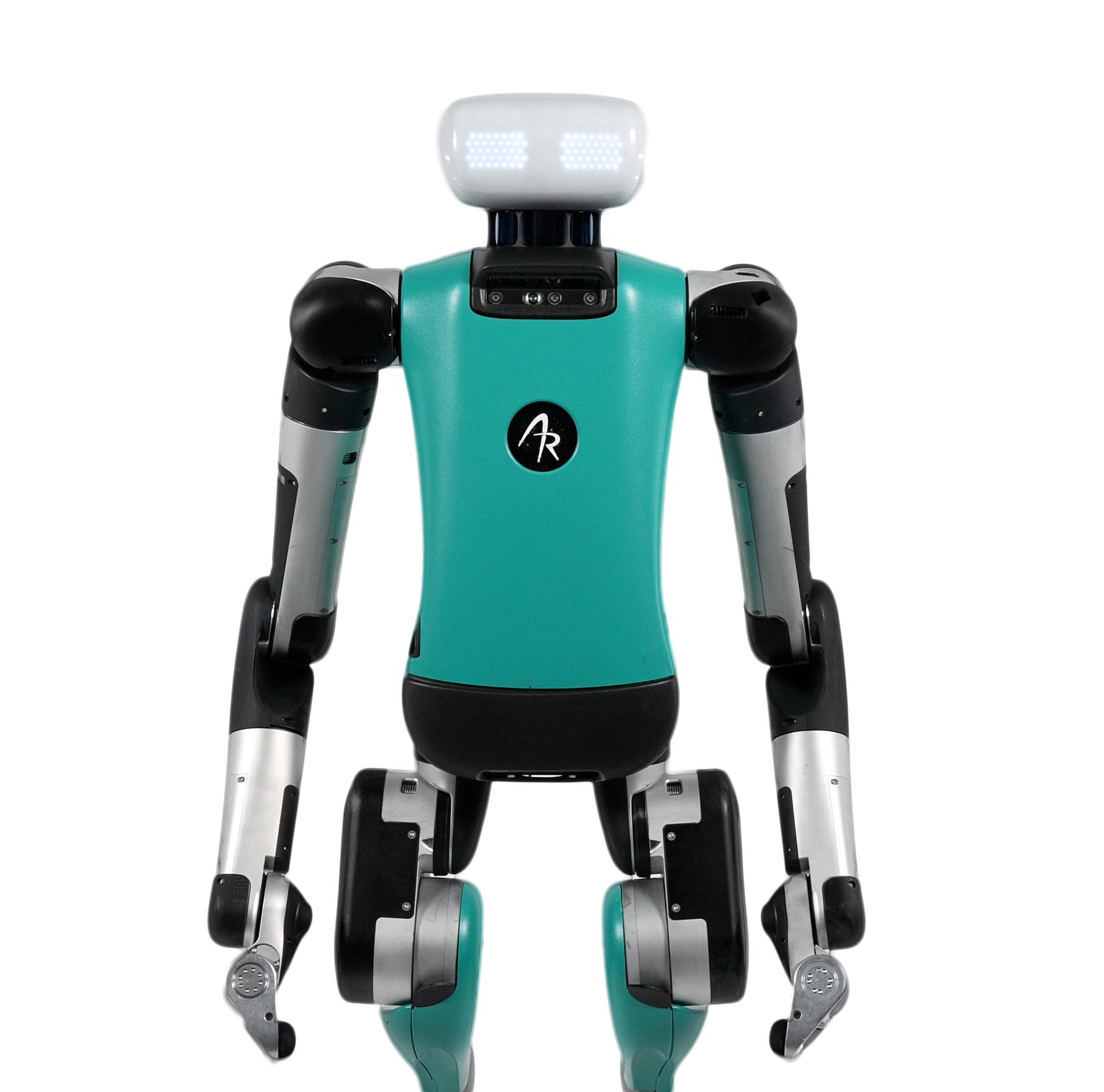
Executive summary Between 2025 and 2026 the humanoid sector moved from lab spectacle to concentrated, narrow real-world pilots. Vendors prioritized a small set of repeatable tasks — box handling, item picking and kitting, light assembly handoffs, inspection and patient mobilization — and sold pilot programs to logistics, manufacturing and eldercare operators. Public, independently verified performance data remains sparse; what is available is a mix of vendor field reports, customer testimonials, trade‑show demonstrations and integrator case notes. This roundup synthesizes those sources, outlines the tasks humanoids are actually executing, summarizes measured KPIs and integration work, compares major vendors and closes with a practical pilot checklist for enterprise buyers. What tasks humanoids are genuinely doing Logistics and last‑mile — repetitive box transfer, parcel-to-van transfers, coasted walking between shelf and packing station, simple bin-to-conveyor placements. Warehouse picking and kitting — light-item picking for e‑commerce, parts kitting for assembly lines, and collaboration with cobots for handoffs. Manufacturing support — repetitive assembly sub‑tasks, steady‑hand screw insertion, inspection rounds using vision sensors, and tugger/AGV interface work. Healthcare and eldercare — assisted standing and patient repositioning demonstrations, monitoring/telepresence, repetitive supply runs in wards (meds, linens). Inspection and data collection — visual inspection of low‑variance assemblies and facility patrols where manipulation requirements are low. Who’s doing what: vendor positioning and public pilot footprints Below are the sector roles vendors publicly emphasized in 2025–26. Agility Robotics — Digit Agility continued to position Digit toward logistics and last‑mile workflows: box handling, van transfer and step/climbing tasks where bipedal mobility is an advantage. Public materials and pilot announcements emphasized integration with conveyor endpoints and hand‑off to human packers. Agility’s commercial pilots were sold as trials with third‑party logistics providers and e‑commerce shippers; vendors reported multi‑week pilots focused on throughput at a single packing lane rather than full DC replacement. Figure AI and 1X Technologies Both companies marketed warehouse automation partners and system integrators as their route to scale. Figure focused on whole‑system autonomy (vision and manipulation stacks) while 1X emphasized retrofittable manipulation modules for existing order-fulfillment lines. Public pilots concentrated on co‑working with WMS-driven pick lists and simple bin picking for light items. Apptronik / ARM (Apollo-class) Apptronik marketed its humanoid and upper‑body platforms to manufacturers for parts kitting and repetitive assembly operations. Field pilots were typically one- or two‑station integrations, with emphasis on cobot handoffs and MES hooks for part verification before the human workstation. Sanctuary AI (Phoenix) Sanctuary positioned Phoenix for caregiver augmentation: transferring non‑clinical loads, patient steadying and repetitive mobility assistance. Public trials focused on simulated wards and long‑term care facilities to test nurse workflow impacts and patient acceptance. Tesla / Optimus Tesla continued internal experimentation. Publicly, Optimus remained an R&D and in‑factory research subject with limited external pilots; Tesla’s messaging emphasized eventual mass production economics rather than near‑term commercial DC or ward deployment. Boston Dynamics — Atlas transition Atlas remains largely research‑to‑integrator focused. Boston Dynamics’ public strategy for humanoid tech emphasized selling into system integrators and defense/advanced manufacturing pilots rather than large commercial rollouts. Xiaomi CyberOne, UBTECH, Unitree, Fourier Intelligence These vendors targeted consumer, eldercare and light-duty support roles. UBTECH and Xiaomi pitched home/eldercare companions and mobility aids; Unitree and Fourier explored low‑cost, low‑payload support tasks in hospitals and non‑critical manufacturing lines. Pilot KPIs, outcomes and ROI claims — what’s measurable Public pilot programs and vendor materials tracked a consistent, practical set of KPIs: Throughput — items processed per hour at a lane or station. Error rate — mispicks, misplacements and incorrect part kitting. Downtime and reliability — mean time between failures and duration of manual recoveries. Safety incidents — recordable events and near misses during co‑working tests. Worker acceptance — task reallocation, measured ergonomics benefits and qualitative nurse/customer feedback. Vendors commonly claimed targeted improvements (single‑digit error reductions, measured ergonomics gains, and throughput bumps in narrow tasks). Independent verification in 2025–26 was limited; where integrators published metrics they emphasized constrained ROI scenarios — e.g., reducing repetitive-lift injuries and improving pickers’ throughput on short‑run SKUs rather than replacing entire shifts. Integration realities: the hardest technical and operational lifts WMS/MES hooks — mapping pick lists and kitting BOMs to humanoid motion plans required middleware; most pilots used SI‑developed APIs rather than out‑of‑the‑box connectors. AGV/Conveyor interfaces — timing tolerances for handoffs forced adoption of standardized rendezvous points and safety fencing in early pilots. Human workflow change — nurse stations and line workers required scripted handoff procedures and training; pilots showed measurable slowdowns during initial adoption weeks. Perception and grasping limits — in cluttered bins humanoids needed structured tote/kitting environments or special tooling. Competitive comparison (high‑level) Vendor Primary use Deployment maturity Price context Strength Limitations Agility (Digit) Logistics / last‑mile Pilot/commercial trials Pilot/lease models; unit economics cited as mid‑to‑high Biped mobility, stair access Limited fine‑manipulation without tooling Figure / 1X Warehouse picking Pilots with SIs Project pricing with integration Integrated autonomy stacks Requires structured SKUs/environment Apptronik Manufacturing kitting Station integrations System sale + integration High‑precision actuation Work‑cell scale, not whole‑line Sanctuary Eldercare/rehab Simulated wards / early pilots Long‑term service contracts expected Human‑first UX Regulatory & acceptance hurdles Successful partner ecosystems Pilots that progressed to repeatable outcomes shared three traits: experienced system integrators, WMS/MES vendors willing to build connectors, and healthcare procurement groups defining safety/use policies. Integrators and software partners — not the hardware vendors alone — were the common success factor cited in public pilot notes. Common vendor messaging: “Start with a single, bounded task, automate the handoff and integrate WMS/MES hooks — then scale.” Real ROI: cautious optimism Enterprise buyers should take ROI claims with caution. Public pilots indicate humanoids can deliver positive ROI in constrained scenarios where: (a) the task is repetitive and low‑variance, (b) the environment is structured for robot access, and (c) integration costs are amortized across multiple stations. Across 2025–26 commercial pilots the most credible economic wins were in injury reduction and extended‑hours support, not raw headcount replacement. Checklist for enterprises evaluating humanoid pilots (2026) Define a single, bounded pilot task and success KPIs (throughput, error rate, MTTR). Require SI‑grade integration plan: WMS/MES APIs, conveyor/AGV rendezvous, safety zone design. Budget explicitly for tooling, perception tuning and operator training — expect non‑trivial SI labor. Plan three‑month adoption horizon with human workflows tested in parallel. Insist on data export (logs, incident reports, downtime) and third‑party audit rights. Evaluate commercial model: pilot lease vs purchase, maintenance SLAs and spare‑part logistics. Conclusion 2025–26 clarified the role for humanoids: not universal factory or ward replacements, but specialized, mobility‑enabled agents that address particular pain points — repetitive lifts across elevation changes, kitting for small runs, and caregiver augmentation. The clearest determinant of pilot success was not the biped itself, but the partner ecosystem and readiness to rework workflows. For enterprises, the prudent path is narrow pilots with measurable KPIs, an SI partner on contract and realistic expectations about integration costs and timelines.