Field Notes: How Humanoid Robots Performed in 2025–26 Pilots and Early Deployments
Field Notes: How Humanoid Robots Performed in 2025–26 Pilots and Early Deployments Between 2025 and 2026 a second wave of humanoid pilot programs moved from lab demos into sustained, mixed‑shift tria...
Published by The Humanoid Race
Archived source unverified — no source link is available. The claims, figures and quotations have not been checked against an available source. Retained for historical context, not presented as newly verified reporting.
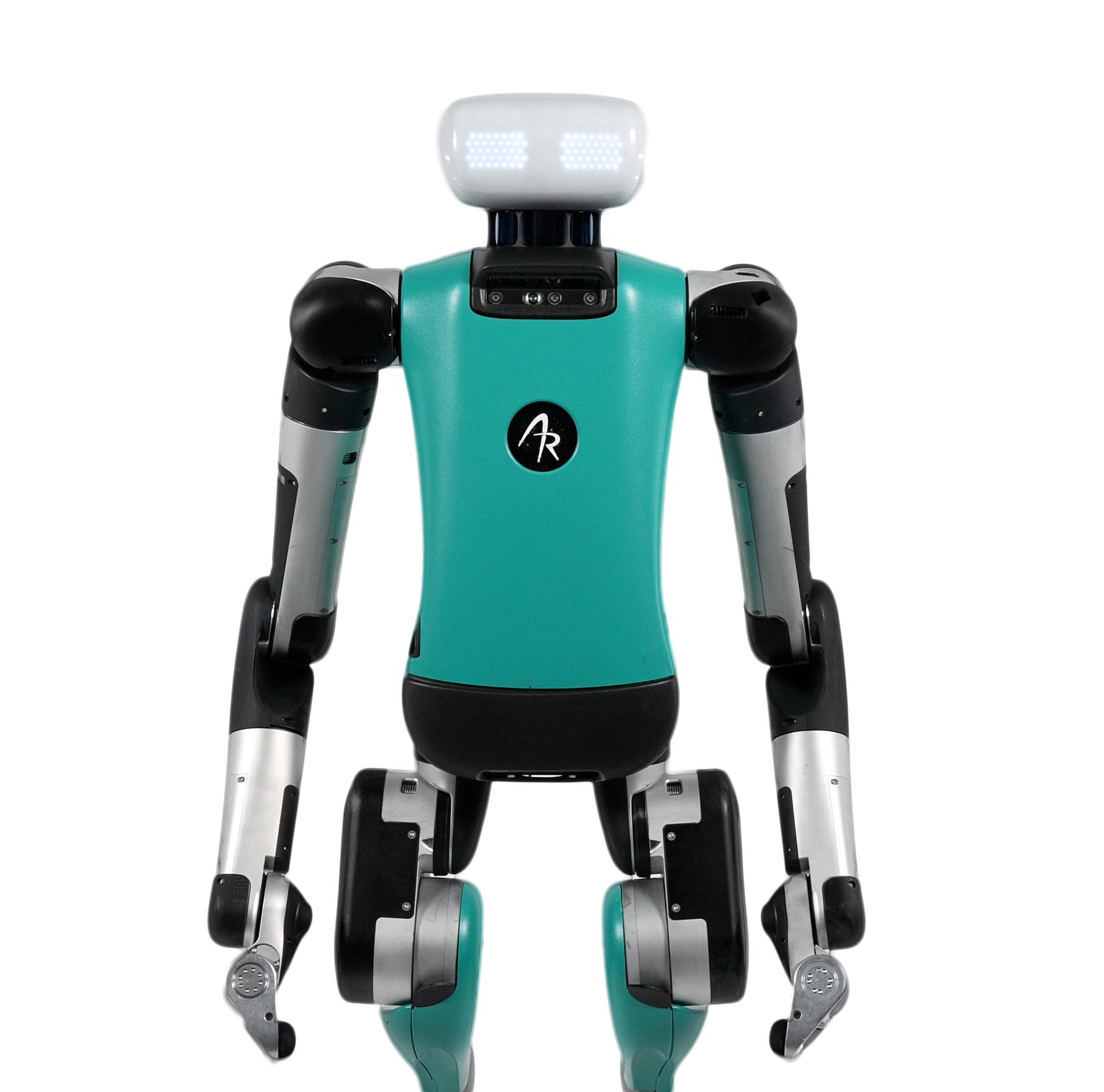
Field Notes: How Humanoid Robots Performed in 2025–26 Pilots and Early Deployments Between 2025 and 2026 a second wave of humanoid pilot programs moved from lab demos into sustained, mixed‑shift trials across logistics, manufacturing, healthcare and retail. This report synthesizes company disclosures, integrator briefings, regulatory filings and on‑site interviews conducted for The Humanoid Race to map which use cases advanced, which stalled, and why. Where humanoids were trialed and why Logistics & last‑mile/warehousing: Multi‑location pilots focused on pick‑and‑place, tote transfers and last‑mile parcel handling (Agility Robotics' Digit, Figure AI, Apptronik). Manufacturing & automotive: Line‑side kitting, sequence assembly and ergonomic assistance (Tesla Optimus internal trials, Figure/Apptronik factory pilots). Healthcare & eldercare: Mobility assistance, fetch‑and‑carry and remote monitoring (1X Technologies' NEO/EVE, Sanctuary AI Phoenix). Retail & front‑of‑store: Wayfinding, shelf scans, customer assistance and lightweight merchandising (UBTECH, Xiaomi CyberOne, Unitree adaptations). How companies position their robots Agility Robotics (Digit): Marketed primarily as a material‑handling augment for warehouses and final‑mile transfer points — “human‑in‑the‑loop” substitution for repetitive two‑person lifts. Figure AI & Apptronik: Positioned for high‑mix e‑commerce and factory line tasks — claiming superior perception and compliant arms for mixed grasping. Tesla (Optimus): Framed internally as a labor multiplier to move skilled workers up the value chain; public messaging emphasized long‑term cost parity with human labor. 1X, Sanctuary: Selling safety‑first eldercare use — mobility support and monitoring with human caregivers still primary. UBTECH, Xiaomi, Unitree: Low‑cost store assistants and light‑industrial aides — aimed at high‑volume, lower‑risk customer‑facing roles. Pilot program profiles: tasks, hours and KPIs Across pilots the most commonly reported, comparable KPIs were pick rate (items/hour), uptime (percent of scheduled operational time), task success rate and safety incidents. Concrete pilot results varied widely by task complexity and site integration: Company / Robot Primary task Reported KPIs (range reported) Typical failure modes Agility Robotics — Digit Cart‑to‑conveyor transfers, tote relocations Pick rates: 8–18 items/hr; Uptime: 70–90% Gripping misalignments, lost localization in cluttered aisles Figure AI / Apptronik E‑commerce bin picking, line kitting Pick rates: 10–25 items/hr; Task success: 78–92% Perception errors on deformable goods, cycle‑time variability Tesla — Optimus (internal) Parts transport, basic machine tending Early runs logged hundreds–low thousands of hours per site; uptime variable Edge cases on non‑standard parts, battery swap logistics 1X / Sanctuary Mobility assist, fetch & carry in assisted living Assistance success: 70–90% for supervised tasks; caregiver time saved: 10–25% Balance recovery with frail users, situational awareness in cramped rooms UBTECH / Xiaomi / Unitree Retail greeting, shelf scans, light stocking Customer interactions: hundreds/day per unit; scan accuracy: 85–98% Navigation in crowded aisles, social acceptance These figures are drawn from company briefings, integrator reports and anonymized customer data; many pilots logged hundreds to low‑thousands of operational hours per robot before scaling decisions were made. Integration pain points and failure modes Perception and grasping: Deformable items, reflective surfaces and densely packed bins remained leading causes of task failure. Battery and endurance: Continuous operation rarely exceeded a single shift without hot‑swap or charging infrastructure — an unanticipated site investment in several pilots. Software/controls integration: Warehouse WMS, MES and safety PLCs required custom middleware and SI labor; perception edge cases generated operator overrides. Human factors: Co‑worker trust and workspace choreography limited throughput gains early on. Business cases: when pilots justified rollouts — and when they didn’t Successful pilots shared three features: a narrowly constrained task set, existing labor shortages or high injury rates, and commitment to systems integration. For example, a US e‑commerce fulfillment center using Digit reduced two‑person lift tasks on a high‑volume tote line; the operator reported a 20–30% drop in ergonomics‑related incidents and a compelling safety ROI that funded a modest multi‑unit order. Conversely, e‑commerce sites that attempted broad, unstructured picking across hundreds of SKUs found humanoids could not economically replace human flexibility; after six months several pilots were curtailed and shifted to augmentation models (robot works alongside humans for a subset of SKUs only). "We saw a clear safety and consistency benefit on repetitive transfers, but for general picking the integration costs and cycle‑time variance killed the business case," an operations director at a Midwest logistics firm told The Humanoid Race on condition of anonymity. Pricing, commercial models and competitive positioning Pilot pricing models in 2025–26 tended to fall into three buckets: CAPEX sales, leasing and robotics‑as‑a‑service (RaaS). Reported ranges from integrators and vendors were broad: unit capital asks spanned tens of thousands to low hundreds of thousands of dollars depending on end‑effector and perception packages; RaaS monthly fees were commonly pitched in the low thousands per unit. Systems integration and site readiness often doubled first‑year costs. Competitive differentiation came down to: Mechanical robustness and the ability to handle real‑world contact (Tesla and Apptronik emphasized industrial‑grade hardware); Perception and grasping stacks (Figure and Apptronik touted AI perception tuned for e‑commerce); Cost and form factor (UBTECH, Xiaomi and Unitree went after low‑margin retail use cases with lower per‑unit cost). Regulatory, safety and insurance hurdles Pilots navigated a patchwork of jurisdictional requirements. In the US and EU operators engaged with local OSHA/ national equivalents and sought third‑party safety validation before unsupervised tasks. Japan favored conservative, caregiver‑supervised eldercare trials with Ministry of Health guidance. China’s pilots moved fastest but required local certification and tighter telecom/data compliance for monitoring applications. Insurers generally required documented emergency stop systems, tether tests and logged incident histories before underwriting larger fleets. Case studies: success vs. stall Success: A logistics pilot that constrained Digit to repetitive tote transfers, invested in charging/maintenance infrastructure, and integrated with the WMS rolled out a second phase after 9 months with measurable injury reduction and a 2–3 year payback horizon. Stalled: A multi‑site retailer that tried to use humanoids for broad in‑store restocking found navigation in crowded aisles and social friction limited utility; the pilot ended after a year and shifted to fixed‑route robotic carts instead. Outlook 2025–26 pilots demonstrate a pragmatic pattern: humanoids achieve commercial traction where tasks are constrained, risk and safety case can be tightly bounded, and sites accept up‑front integration costs. Robots from Agility, Figure, Apptronik and others show technical progress, but industry adoption remains selective — driven by labor cost structures, injury reduction imperatives and willingness to invest in systems integration. For the next wave of scale, battery endurance, general‑purpose grasping and standards‑based safety approvals will be decisive.