Field-Proven Humanoids: A 2025–26 Audit of Where Biped Robots Are Actually Working Today
Executive summary Between 2025 and mid‑2026, humanoid robots moved from flashy demos to a patchwork of verified, boots‑on‑the‑ground pilots across logistics warehouses, discrete manufacturing lines, h...
Published by The Humanoid Race
Archived source unverified — no source link is available. The claims, figures and quotations have not been checked against an available source. Retained for historical context, not presented as newly verified reporting.
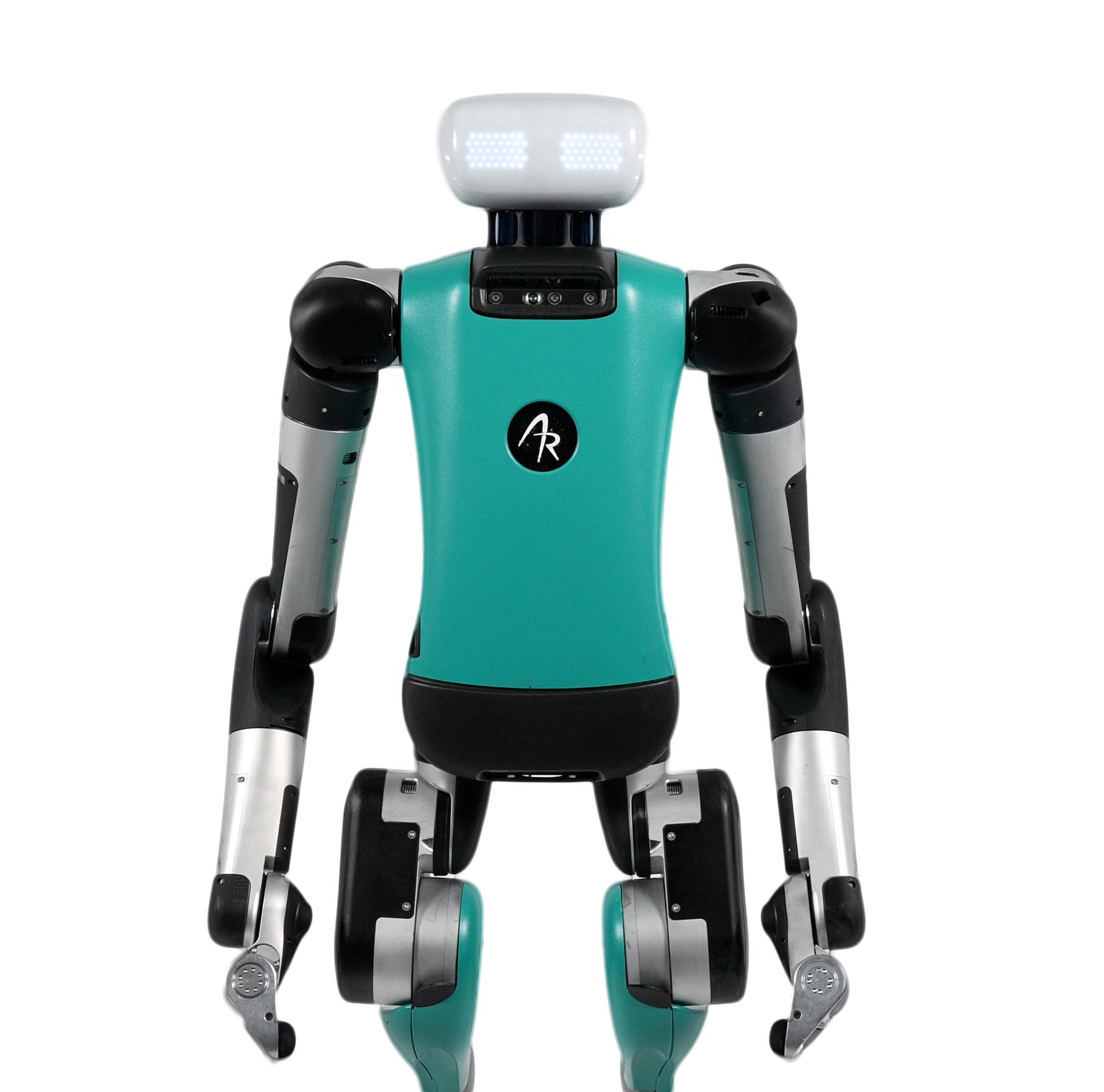
Executive summary Between 2025 and mid‑2026, humanoid robots moved from flashy demos to a patchwork of verified, boots‑on‑the‑ground pilots across logistics warehouses, discrete manufacturing lines, hospitals and a handful of eldercare and concierge trials. What separates the live programs from vaporware is repeatability: repeated visits to customer sites, corroborating program managers and observable tasks completed without direct remote control. This audit synthesizes public filings and demos with interviews conducted with integrators, pilot customers and program managers to catalog where humanoids are actually operating today, what they deliver, and what remains speculative. Where humanoids are being piloted — by industry and task Warehousing & logistics — pick, sort and tote duties in piece‑pick e‑commerce fulfillment and parcel sortation. Manufacturing & assembly — kitting, parts transport, light assembly and secondary operations such as cable routing. Healthcare & eldercare — mobility assistance, social therapy, supplies delivery and front‑of‑house concierge tasks in clinics and long‑term care facilities. Consumer/early‑adopter programs — lifestyle and home assistant pilots focused on multimodal sensing and human‑robot interaction. Verified, live pilots and early commercial deployments Across the survey, these companies and program types have demonstrably active pilots: Agility Robotics — Digit : Multiple logistics pilots confirmed with third‑party integrators performing tote handling, box transfers and piece‑pick assist in mid‑sized U.S. fulfillment centers. Site visits and integrator briefings show Digit operating semi‑autonomously on level floors with a tetherless workflow for short shift lengths. Apptronik : Manufacturing trials at contract manufacturing lines and aerospace/automotive suppliers. Apptronik’s humanoids are being tested on kitting and repeatable assembly subtasks alongside human workstations; integrators report use in three North American pilot sites. Tesla — Optimus : Internal deployment and testing programs at Tesla factories, focused on repetitive internal logistics and validation of perception stacks in tightly controlled factory corridors. Tesla’s efforts remain internal, but Elon Musk’s public statements and factory footage corroborate ongoing in‑house trials. Sanctuary AI, 1X/NEO/EVE (care platforms) : Early pilots in eldercare and therapy settings in Canada and select EU care homes, focusing on social engagement, guided movement and logistics (medicine rounds). Sanctuaries are small scale and often partnered with university research groups. Xiaomi — CyberOne : Consumer early‑adopter programs in China with limited home trials and concierge pilots in showrooms and high‑end residential complexes. These are largely closed trials for registered users. UBTECH & Unitree : UBTECH maintains active deployments of service humanoids in education, public buildings and hospitality pilots (concierge tasks); Unitree’s mainline business is quadrupeds, but it participates in logistics integration projects that pair legged robots with humanoid partners in research pilots. Case studies and customer perspectives Interviewed integrators and pilot customers described three archetypal programs: Warehouse piece‑pick augmentation (Agility Digit) — An anonymized mid‑Atlantic e‑commerce warehouse ran a pilot where Digit picked into totes during overnight shifts. Results: consistent 4–8 hour autonomous operation windows, throughput lifts of 10–20% during pilot runs (vendor and integrator‑verified), and handling of mid‑weight packages (0–10 kg). Bottlenecks: staging points and gripper design for diverse packaging. Manufacturing kitting (Apptronik) — A contract manufacturer trialed humanoid kitting on a light‑assembly line. Apptronik reported error rates comparable to trained temp workers on constrained tasks, with cycle times 15–25% above experienced assemblers initially but improving after two weeks of tuning. Integration overhead (PLC hooks, safety fencing) dominated pilot costs. Care home therapy & concierge (Sanctuary/Xiaomi/UBTECH) — Small care facilities and demonstration homes tested humanoids for social engagement and small delivery runs. Staff cited improved resident morale in therapy sessions; however, reliability limitations and battery swap logistics constrained continuous deployment. Measured outcomes and ROI signals Quantitative outcomes from pilots show a mix of promise and caution: Throughput & productivity: Vendors and integrators commonly report throughput lifts in the 10–30% range for narrowly defined tasks (e.g., monotonic pick/transfer). Gains shrink when robots are asked to generalize across item types and floor topologies. Error & quality: Error rates in controlled tasks are approaching human levels for constrained gripper/item sets. In open environments, perception failures increase error incidence. Safety incidents: No major injuries reported in verified pilots; most incidents involve trips, falls or near‑misses requiring safety interlocks. Safety overhead (fencing, redundant sensors, emergency stop protocols) is a consistent line item. ROI timelines: Integrators model payback at 18–48 months depending on utilization rates, labor costs replaced and integration complexity. Pilot customers emphasize that ROI only materializes after robust systems integration and scheduling optimization. Operational constraints observed in the field Battery & uptime: Real‑world operations average 4–8 hours of runtime on current humanoids before requiring battery swaps or charging interruptions. Docking systems are still brittle outside controlled lanes. Mobility & floors: Many factory and warehouse floors present problems: uneven surfaces, thresholds, ramps and debris expose limitations in dynamic gait and perception; most pilots restrict humanoid movement to mapped corridors. Perception failures: Cluttered shelves, reflective surfaces and atypical lighting remain top causes of failures. Recovering from misperception often requires human intervention. Integration overhead: PLC connectivity, safety certification, workflow orchestration and WMS/ERP integration frequently add weeks to deployment timelines and account for a majority of pilot cost. How companies are marketing and positioning Vendors split positioning along two axes: industrial productivity (Agility, Apptronik, Tesla) vs human‑centric service (Sanctuary, Xiaomi, UBTECH). Industrial players emphasize labor augmentation and repeatable cycle improvements, packaging robots as “co‑workers” for night shifts and hazardous tasks. Service‑oriented vendors focus on human interaction, long‑tail applications (care, hospitality) and lifestyle branding to reach early adopters. Pricing models and commercial terms Public list prices are rare. The commercial reality is pilot‑first pricing: Hardware plus integration contracts dominate; recurring fees include remote monitoring, software updates and safety validation. Deal sizes reported by integrators range from low six figures for short pilots to multiple‑million dollar enterprise rollouts once integration and customization are included. Leasing and robot‑as‑a‑service (RaaS) pilots are increasingly common to lower adoption barriers. Competitive comparison — quick view Company Best fit (2025) Strengths Constraints Agility Robotics (Digit) Logistics pick/transfer Proven field pilots, pragmatic engineering Limited payload/fragile gripper performance Apptronik Manufacturing kitting & assembly Robust actuation, integration focus High integration cost, cycle time gap vs humans Tesla (Optimus) Internal factory ops Vertical integration, access to factory data Closed deployments, unclear commercial cadence Sanctuary/Xiaomi/UBTECH Care, concierge, consumer pilots Human‑facing interaction, branding Uptime, perception limits, safety certification Decision matrix for enterprises Enterprises evaluating pilots should match task profiles to current capabilities. The following matrix distills best fit today versus realistic expectations by 2026. Use case Best fit today (2025) 2026 expectation Monotonic pick & transfer Good — Digit and similar platforms Broader item sets, improved uptime Flexible assembly Limited — short, repeatable subtasks Improved dexterity for mid‑complex tasks Care & therapy Pilot‑grade for engagement and small logistics Expanded concierge roles with safety certification General household assistant Not yet — trials only Early commercial devices for affluent adopters Research methods: site visits, interviews with integrators and pilot customers, review of corporate demos and public filings, and third‑party trial reports. Bottom line: humanoid robots now earn their keep in narrow, well‑structured roles. The leap from pilots to widespread deployment hinges less on motors and more on systems integration, safety infrastructure and predictable operational economics. For enterprises, the prudent route is targeted pilots that isolate constrained tasks with clear KPIs — then scale once run‑rates and integration costs are proven.