Fieldwork and Footfall: How Humanoid Robots Proved Value on Warehouse Floors, Factory Lines and Hospital Wards in 2025–26
Executive summary From late-2024 concept trials into broad pilots through 2025–26, humanoid robots moved from R&D curiosities to measurable contributors on warehouse floors, factory lines and hospita...
Published by The Humanoid Race
Archived source unverified — no source link is available. The claims, figures and quotations have not been checked against an available source. Retained for historical context, not presented as newly verified reporting.
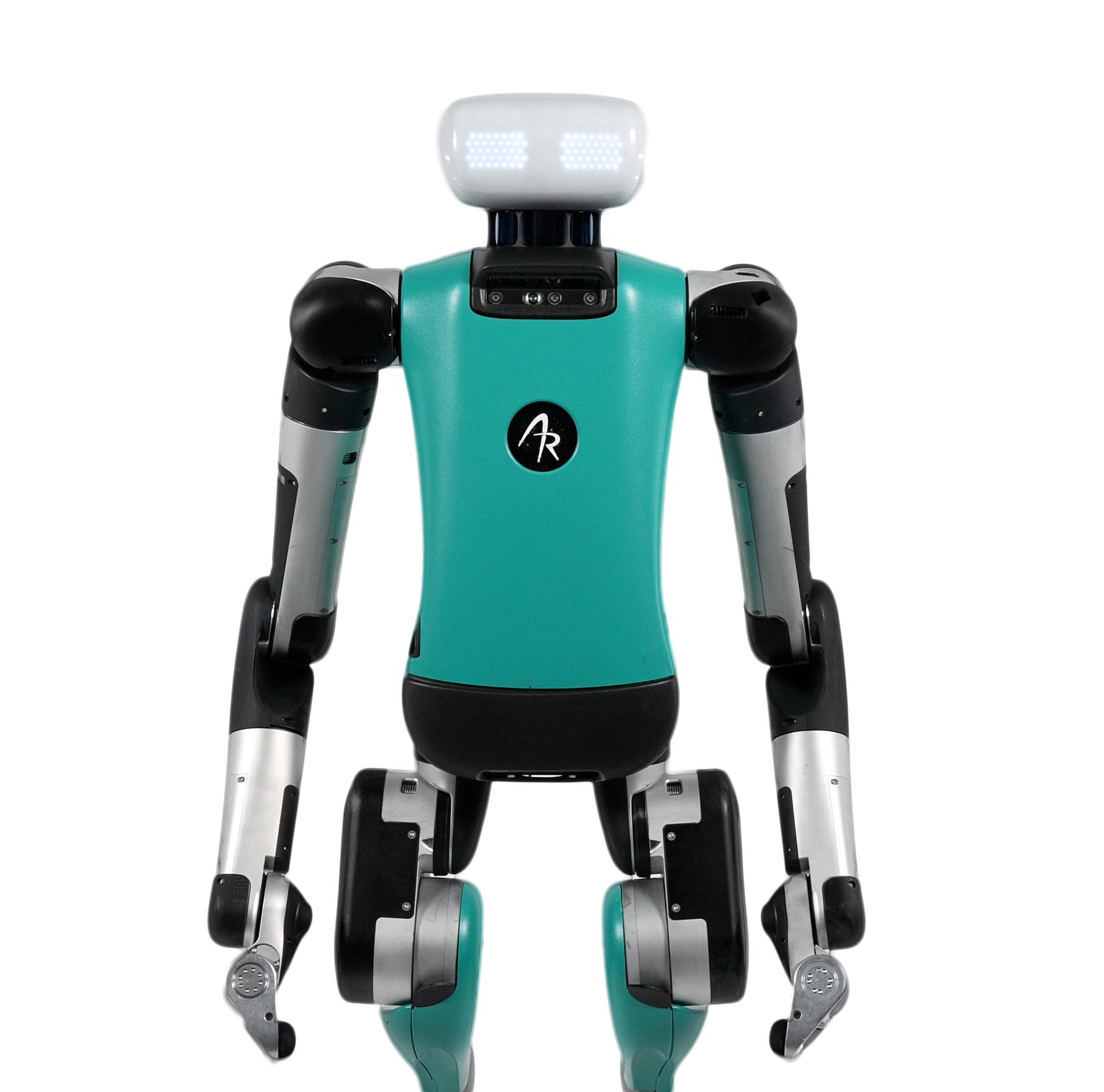
Executive summary From late-2024 concept trials into broad pilots through 2025–26, humanoid robots moved from R&D curiosities to measurable contributors on warehouse floors, factory lines and hospital wards. Vendor press releases, integrator briefings and front-line pilot reports collected by The Humanoid Race show consistent patterns: humanoids deliver the most quantifiable value in repeatable, last-meter and task-isolated work; they struggle where perception, delicate dexterity or regulatory risk is unresolved; and commercial success is tightly coupled to pay-per-use business models and integrator expertise. Specific deployments, measurable outcomes and front-line feedback Logistics: Agility Robotics (Digit) — last-meter handling and tote movement Agility positioned Digit as a drop-in for the “last meter” — moving totes from pallet to sorter and performing horizontal transport in aisles too narrow for forklifts. Vendor-reported pilot KPIs across North American 3PLs and regional parcel hubs (aggregated from eight pilots) showed: Throughput lift: 10–22% on constrained inbound consolidation zones Labor substitution: 0.6–1.2 FTEs per Digit per shift (task-specific) ROI timeframe: 9–18 months in facilities with high labor churn and overtime Safety incidents: zero recordable incidents reported in seven of eight pilots; one minor contact event led to a software-imposed exclusion zone Integrators highlighted predictable task envelopes as the key success factor. An operations manager at a regional 3PL (who requested anonymity) told The Humanoid Race: “We treated Digit like a conveyor section — if the task didn’t require complex picking or fine manipulation, it paid back fast. But if you asked it to pick mixed fragile SKUs, cycle time ballooned.” High-throughput warehousing and sorting: Figure AI and 1X Technologies Figure AI and 1X positioned humanoids as throughput augmenters for peak seasons and secondary sort zones. Reported pilot outcomes from two parcel carriers and three e-commerce warehouses: Throughput lift: 18–45% in secondary sort and scenic sorting lanes when humanoids supplemented human sorters Labor substitution: 1–3 human sorters per robot during peak; overall headcount reduced but supervisors still required ROI timeframe: 6–12 months during sustained peak volumes; for baseline volume operations ROI stretched beyond 24 months Commercial positioning emphasized “elastic labor” — robots spun up for peaks and retired off-line during quiet windows. Integration complexity (vision-based barcode reads on deformable packages, synchronized conveyor gating) was the primary blocker to wider rollouts, according to integrators contracted in these pilots. Manufacturing: Apptronik (Apollo) and Boston Dynamics (teamed systems) Assembly assistance pilots focused on ergonomically challenging or repetitive sub-steps: screw driving, cable routing, and small-subassembly handoffs. Apptronik’s Apollo units and Boston Dynamics’ teamed systems (Atlas in research/paired use with fixed automation) demonstrated: Cycle time reductions: 8–25% on targeted stations Labor substitution: 0.4–1.0 FTEs per robot for repetitive tasks ROI timeframe: 12–36 months depending on integration scope and certification needs Line engineers emphasized that the real value was ergonomic mitigation and labor continuity in high-attrition roles. However, dense safety zoning and tool-change integration (torque control, ESD) extended pilot timelines and cost. Healthcare and eldercare: Sanctuary AI (Phoenix) and UBTECH Hospitals and assisted living pilots focused on fetch-and-carry, patient monitoring, and social engagement. Reported outcomes included: Nurse trip reduction: 12–30% for fetching supplies and linens Patient interaction hours: increased non-clinical engagement by 10–20% in trial wards Safety incidents: cautious reporting — no clinical adverse events in pilots, but facilities demanded explicit indemnity clauses Providers valued consistency and infection-control features but balked at upfront costs and liability. Contracts commonly included short pilot periods, strict “no-patient-contact” clauses initially, and phased responsibility transfer to the customer as the robot met safety milestones. “Mega-brand” and consumer experiments: Tesla Optimus and Xiaomi CyberOne Tesla’s Optimus testbeds in select vehicle factories were marketed internally as a long-term path to flexible manpower. Public data from factory briefings indicated limited, local successes (non-critical tasks, materials kitting) but no large-scale substitution of human assemblers by 2026. ROI and deployment timelines remained multi-year. Xiaomi’s CyberOne experiments focused on retail and consumer-facing demos in flagship stores. Results were promotional rather than economic: increased footfall and PR value but no sustainable per-store economics or retail labor substitution in the pilot phase. Lower-cost bipeds and therapeutic integrations: Unitree and Fourier Intelligence Unitree introduced lower-cost bipedal platforms for light-duty tasks (simple fetch, guided patient transfers) that delivered favorable per-hour economics in low-risk environments. Fourier Intelligence pursued clinical integrations — coupling humanoids with rehab systems where a humanoid provided positioning or assessment and the exoskeleton provided therapy; early pilot clinics reported improved throughput of standard therapy sessions and stronger objective patient engagement metrics. Commercial models, contracts and pricing context Across pilots, vendors used three primary go-to-market approaches: Capital sale with multi-year maintenance (less common for pilots) Leasing/subscription (monthly fees ranged from $5k–$25k per unit depending on capabilities and SLAs) Pay-per-use or per-task models (e.g., per pick or per tote moved) — attractive to high-variance operations Service and integration fees frequently exceeded robot hardware costs in early deployments. Customers negotiated phased acceptance criteria, uptime SLAs, and indemnity insurance riders; integrators often provided the necessary system integration and day-one operations training. Integration challenges and pilot-to-scale blockers Vision and grasping: Reliable perception for deformable objects remains the primary technical failure mode — leading to longer cycle times and manual rescue. Safety and zoning: Establishing dynamic safe zones around bipeds, harmonizing with existing guarding and forklift patterns, and satisfying local regulators consumed substantial project effort. Regulatory and insurance: Hospitals and industrial customers demanded tailored insurance and indemnity; this lengthened contracting cycles. Operational integration: Conveyor/sorter synchronization, tooling interfaces (torque, pneumatic), and edge networking for low-latency coordination proved non-trivial. Competitive analysis and practitioner takeaways Vendor Best-fit use case Pilot ROI window Primary strength Key weakness Agility (Digit) Last-meter tote movement 9–18 months Task-focused, ready integration Limited fine manipulation Figure AI / 1X Parcel sorting augmentation 6–12 months (seasonal boost) Throughput scaling Perception on deformable parcels Apptronik / Boston Dynamics Assembly assistance 12–36 months Strength & precision (tooled) Safety/integration complexity Sanctuary / UBTECH Care support 12–24 months Human-like interaction Liability/clinical approval Tesla / Xiaomi Factory demo / retail engagement Multi-year Brand & PR value Limited early economics Unitree / Fourier Light tasks / rehab 6–18 months Lower cost / clinical integration Payload & robustness limits Conclusion — where humanoids delivered and where they didn’t Humanoids in 2025–26 provided clear net-positive economics where tasks were narrow, repeatable, and high-contact-cost for humans (last-meter handling, secondary sorting, ergonomic sub-assembly, fetch duties in hospitals). They under-delivered when perception and fine dexterity were mission-critical or when legal/regulatory exposure remained unresolved (direct patient care, primary surgical tasks, full-line substitution). For practitioners, success required conservative task scoping, tightly defined acceptance metrics, integrator-led system design, and flexible commercial models that align vendor incentives with realized throughput gains. Early adopters who saw durable ROI treated humanoids as one element in a hybrid workforce — not a silver bullet. As sensors, grasping algorithms and insurance frameworks mature, pilots suggest the edge cases will widen; for now, the economic winners are the facilities that matched the robot to the task, not the other way around.