From Brand to Byte: How Humanoid Makers Repackage Robots for Warehouses, Wards and Homes
Introduction Humanoid robotics companies are no longer selling a single, monolithic product to an imagined mass market. Instead, the leading firms have fractured their narratives and go‑to‑market stra...
Published by The Humanoid Race
Archived source unverified — no source link is available. The claims, figures and quotations have not been checked against an available source. Retained for historical context, not presented as newly verified reporting.
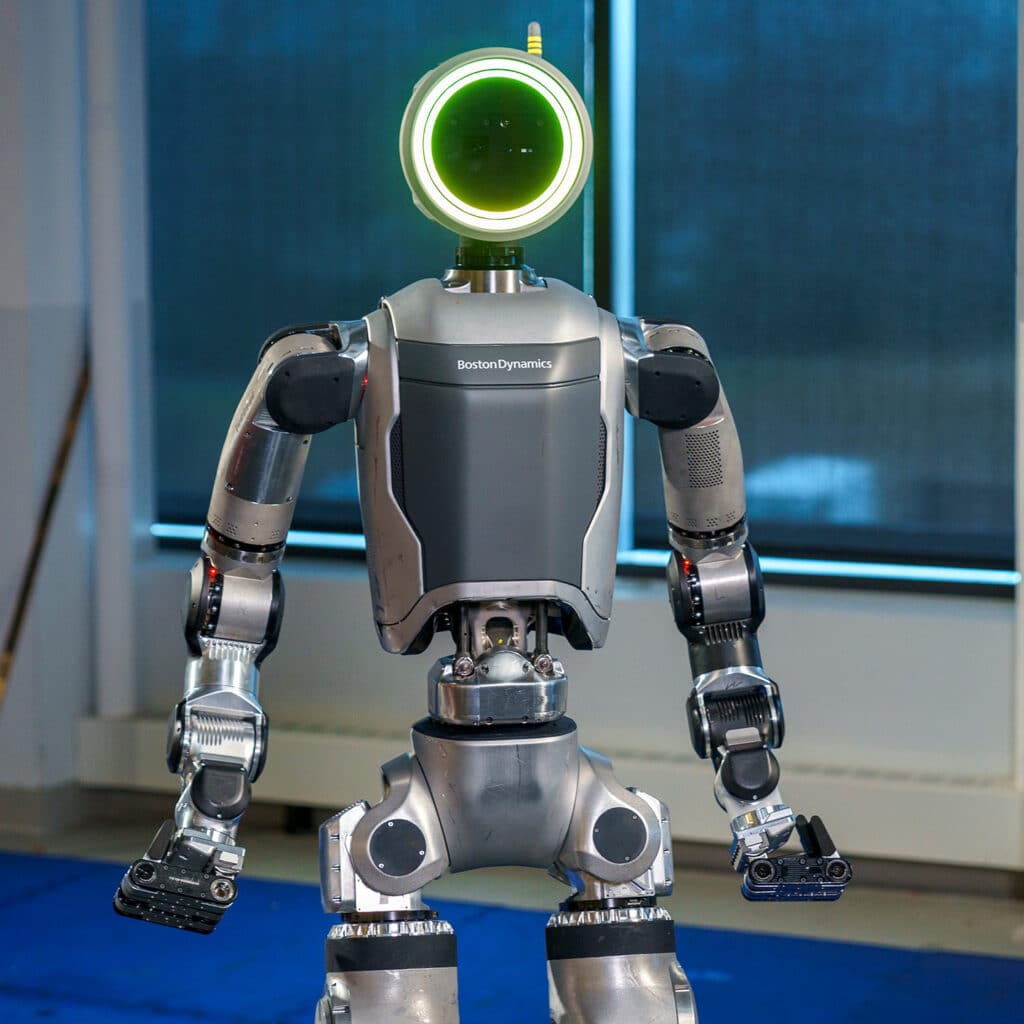
Introduction Humanoid robotics companies are no longer selling a single, monolithic product to an imagined mass market. Instead, the leading firms have fractured their narratives and go‑to‑market strategies along buyer audiences — logistics directors looking to cut fulfillment costs, hospital administrators under staffing pressure, and households weighing lifestyle versus safety. Marketing language, demo tactics and commercial packaging now reveal deeper strategic bets: who can absorb integration risk, who will tolerate long pilot cycles, and who will pay for software and services after hardware is installed. Three buyer audiences and the use cases driving demand Logistics directors: pick, pack and intralogistics Warehouse automation remains the most mature commercial demand stream for humanoids. Companies such as Figure AI, Agility Robotics, Apptronik and Boston Dynamics position robots on metrics logistics teams care about — throughput per operator, order‑pick accuracy, and labor‑cost substitution. Figure AI has made logistics its core outreach, emphasizing end‑to‑end case‑ and tote‑handling pilots in e‑commerce and distribution centers. Agility Robotics pushes channel partnerships so fulfillment integrators can include its Digit humanoid into mixed fleets alongside conveyors and AMRs. Boston Dynamics separates research imagery from enterprise messaging: Atlas for mobility research, Stretch for box handling and intralogistics — a classic signal of productization toward warehouse buyers. Hospital administrators: safety, compliance and labor augmentation Hospitals are evaluating humanoids for patient transport, supply delivery, and repetitive logistics tasks that free nurses for clinical work. Firms such as Sanctuary AI and Apptronik emphasize safety, autonomy and clinical compliance in their collateral, while positioning robots as assistants rather than replacements for licensed staff. Consumer households: lifestyle, companionship and early adopters Consumer‑facing firms — Xiaomi (CyberOne) and UBTECH — frame humanoids as lifestyle devices: concierge capabilities, home monitoring and education for children. This audience is price‑sensitive and motivated by safety and novelty rather than productivity metrics. How companies align messaging and demos to buyer psychology Marketing choices reveal strategic priorities. Three broad demo and messaging archetypes exist: Productivity‑first : Emphasizes throughput, TCO and integration. Figure AI and Agility place robots in real warehouse settings in videos and pilot reports, with analytics dashboards front and center. Safety‑first : Focuses on compliance, fail‑safe behaviors and regulatory readiness. Sanctuary AI stresses care contexts and human‑centric safety engineering in whitepapers addressed to clinical risk officers. Lifestyle‑first : Highlights interaction, aesthetics and app ecosystems. Xiaomi and UBTECH deploy glossy consumer‑facing demonstrations of voice assistants, social behaviors and education content. In interviews with CMOs and early customers, a recurring theme was that demo choreography matters: logistics buyers demand live demonstrations in operational environments, while hospital procurement teams request compliance checklists, risk assessments and long pilots under clinical oversight. Consumer demos can be staged but must show emotional engagement. Go‑to‑market playbooks: direct sales, channels and RaaS Three GTM models dominate the industry: Direct enterprise sales (Tesla, Boston Dynamics): heavy field engineering and integration teams selling directly into large accounts. Tesla’s Optimus narrative straddles enterprise automation and future consumer products; the company’s go‑to‑market remains opaque but appears to favor direct engagement with large industrial customers first to de‑risk operations. Channel and systems integrator partnerships (Agility Robotics, Apptronik): these firms use fulfillment integrators and clinic equipment suppliers to distribute robots as parts of larger automation systems, reducing sales friction for customers that lack in‑house robotics expertise. Robot‑as‑a‑Service and subscription models (emerging approach): several vendors offer pilot or hourly pricing, moving capital expenditure into operational expenditure. Boston Dynamics has historically offered rentals and managed services for some products; other firms are experimenting with per‑hour pilots and subscription software fees to lower adoption barriers. Pricing segmentation and commercial packaging Transparent list pricing is rare. Where public reference points exist they shed light on segmentation: Legacy mobile robots and manipulator systems often carry CAPEX in the tens‑to‑hundreds of thousands of dollars, creating buyer expectations that enterprise humanoids will sit in the same band. RaaS pilots and per‑hour trials are increasingly common as a bridge to CAPEX purchases. Logistics customers told us pilots typically run 3–12 months, with vendors charging set‑up fees plus per‑hour operations for managed pilots. Subscription software and cloud fleet management are now standard up‑sell opportunities: companies package fleet orchestration, safety monitoring and analytics as annual SaaS fees after hardware delivery. In briefings, CMOs emphasized a three‑tier commercial playbook: (1) short, paid pilots to validate integration; (2) per‑unit leasing or RaaS during ramp; (3) enterprise CAPEX purchases for scale deployments — all layered with subscription software revenue. Vertical productization: SDKs, compliance bundles and consumer apps Successful firms are productizing vertically rather than offering a single generic robot: Warehouse SDKs and integrations : Figure AI and Agility provide SDKs, perception modules and conveyor/AMR connectors so system integrators can build solutions faster. Healthcare compliance bundles : Sanctuary AI and Apptronik focus on privacy, sanitization protocols and clinical validation pathways — packaging documentation for procurement and risk committees. Consumer app ecosystems : Xiaomi leverages its existing consumer ecosystem, while UBTECH bundles curricula and kid‑focused apps to schools and homes. Competitive matrix: hardware, software and full‑stack plays Company Hardware Software Full‑stack/Services Primary vertical GTM model Tesla (Optimus) Design & prototypes In‑house autonomy & controls Planned (enterprise focus) Industrial, consumer Direct enterprise, future consumer Boston Dynamics Atlas, Stretch, Spot Perception & fleet tools Systems & managed services (Spot rentals) Logistics, inspection Direct & partner integrators Figure AI Logistics‑focused humanoids Pick/placement software Full solution for warehouses Logistics Direct pilots, enterprise Agility Robotics Digit humanoid SDKs, perception Partner‑led integrations Fulfillment, last‑mile Channel partners Xiaomi (CyberOne) R&D and demos Consumer apps & MIUI integrations Consumer ecosystem Home, lifestyle Consumer retail & ecosystem UBTECH Consumer/education robots Education apps Curriculum bundles Education, homes Retail and B2B education channels Sanctuary AI Care‑oriented humanoids Care workflows, safety stacks Clinical deployment services Healthcare, long‑term care Direct to healthcare providers Apptronik Industrial humanoids Motion & safety software Integrations for factories & clinics Manufacturing, rehab Partner integrators 1X Technologies / Unitree Emerging hardware (lean stacks) SDKs for developers Limited services today R&D, small enterprise pilots Direct & developer channels Where marketing claims meet operational reality — and where gaps remain Marketing has two useful functions: it signals where a company wants to compete and it educates buyers about what to expect. Yet persistent gaps remain. Integration burden : Logistics pilots consistently reveal that perception and grasping subtleties take months of site‑specific tuning. Marketing footage rarely shows weeks of parameter tuning and site validation. Cost visibility : Few vendors publish firm pricing; this keeps procurement committees wary. RaaS and subscription pilots ease adoption but complicate long‑term TCO analysis. Regulatory and clinical validation : Healthcare buyers demand documented safety and clinical validation pathways. Firms marketing to hospitals that omit compliance roadmaps slow procurement decisions. Expectations mismatch : Consumer marketing often emphasizes personality and general purpose use, while early products are still task‑specialized. Households attracted by high‑production demos may find early devices limited. In short, marketing is not mere spin; it is a strategic playbook. Firms that align messaging, pricing and productization with buyer realities will shorten sales cycles and scale faster. Those that rely on spectacle without operational packaging will face longer pilots and disappointed customers. Conclusion From the warehouse floor to the hospital corridor and the living room, humanoid robotics companies are recasting themselves as vertical specialists rather than general‑purpose futurists. The commercial winners will be those that pair believable demos with clear pricing, provide integration channels for customers without robotics teams, and productize software and compliance proof as repeatable offerings. For procurement teams, the task is to parse marketing narratives for concrete operational commitments — and demand pilots that surface the hidden costs of integration before signing long‑term contracts.