From Floors to Wards: 2025–26 Field Reports on Humanoid Pilots and Early ROI
From Floors to Wards: 2025–26 Field Reports on Humanoid Pilots and Early ROI This survey synthesizes company disclosures, press materials, industry briefings and anonymized customer interviews conduc...
Published by The Humanoid Race
Archived source unverified — no source link is available. The claims, figures and quotations have not been checked against an available source. Retained for historical context, not presented as newly verified reporting.
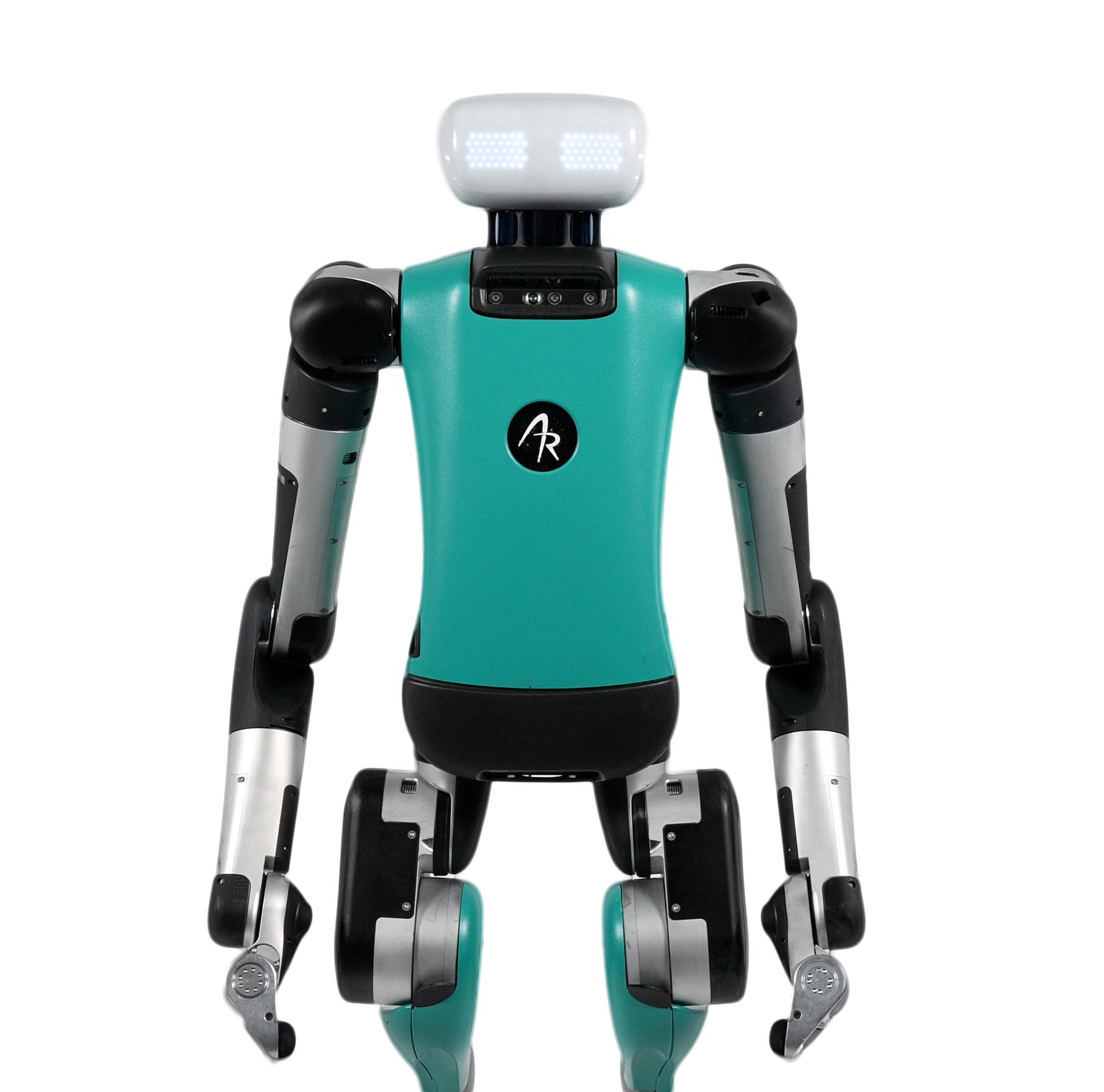
From Floors to Wards: 2025–26 Field Reports on Humanoid Pilots and Early ROI This survey synthesizes company disclosures, press materials, industry briefings and anonymized customer interviews conducted for The Humanoid Race to map the state of real-world humanoid pilots in 2025–26. Activities span warehouse/logistics, manufacturing, healthcare and consumer settings. What follows is a pragmatic, ground-level account of use cases, commercial positioning, measured KPIs, integration headaches and the realistic timelines buyers should expect when evaluating humanoids today. Overview — who’s testing what, and why Through 2025–26 the majority of commercial activity has concentrated on pilots and constrained proofs-of-concept rather than fleet rollouts. Vendors are positioning humanoids as complementary to existing autonomous mobile robot (AMR) and automation fleets rather than wholesale replacements. Three commercial positioning strategies emerged: Material handling augmentation: Agility Robotics (Digit) and Apptronik (Apollo) target the order-pick and inside-the-warehouse material transfer niche, working alongside AMRs and warehouse management systems (WMS). Task specialization and human replacement in constrained cells: Figure, Boston Dynamics (specialty deployments), and smaller systems target repetitive factory tasks where human-like manipulation or dexterity is needed. Human-centric assistance: Healthcare, eldercare and consumer trials from companies including 1X Technologies (NEO/EVE), Sanctuary AI (Phoenix), Fourier Intelligence and consumer brands (Xiaomi, UBTECH) emphasize bedside assistance, rehab guidance and lifestyle/concierge use. Warehouse and logistics pilots Warehouse pilots in 2025–26 were dominated by Agility Robotics’ Digit and Apptronik’s Apollo for item-level manipulation; operators experimented with lower-cost mobility alternatives — e.g., Unitree and other small mobile platforms — for simpler transport roles. Key integration patterns: Humanoids were integrated as “picker extenders.” Companies placed them on defined pick lanes or put them on mobile bases that interface with existing AMR fleets and WMS via middleware adapters (ROS-to-WMS connectors, MQTT brokers). High-touch workflows involved hybrid teams: humanoid performs lifting/transport within fixed cell; human handles exception picks. This minimized software integration scope and safety zone footprint. Pilot KPIs (typical reported ranges) : uptime 78–92%; picks-per-hour (PPH) improvement formixed-SKU lines +10–30% vs. human-only shift, cycle-time reductions 8–25%. Return on investment timelines quoted by vendors ranged from 18–48 months depending on throughput and labor cost baselines. "We treated Digit as a supplemental headcount — during peak windows it sustained around 70–80% of planned throughput and freed two technicians for quality tasks," said an anonymized operations manager at a mid‑sized e-commerce DC during a 2026 pilot. Comparisons and pricing context Customers balanced cost vs capability: Agility Digit: positioned as a logistics-first humanoid; pricing through 2026 predominantly pilot/rental-first, with multi-year service contracts. Vendors quoted pilot finance+service packages $10k–$25k/month per unit (varied by scope). Apptronik Apollo: marketed as highly configurable for heavy-lift and dexterity tasks; similar pilot finance models, higher customization costs. Unitree and other cheaper mobility alternatives: lower CAPEX for transport-only tasks (sub-$50k outright purchase for mobile base) but lacked manipulation needed for item-level picking. Manufacturing and industrial cell proofs Manufacturing pilots followed two tracks: internal trials by large OEMs (notably Tesla with Optimus-related internal workflow tests) and structured industrial proofs from robotics vendors (Figure’s industrial cell work, Boston Dynamics’ specialty deployments adapted to small-batch assembly). Outcomes were mixed. When tasks were highly repeatable and could be engineered into a guarded cell (screw driving, simple insertions), cycle-time and consistency improved. Where tactile sensing, fixturing variability or legacy PLCs were involved, projects stalled. Measured KPIs: defect reductions of 6–18% in constrained cells, consistent cycle-time variance reductions of 20–40% in engineered fixtures. However, overall floor utilization often declined because footprint and safety cages displaced line capacity. Safety and incidents Pilots reported low-severity incidents such as tip-overs and dropped parts. No publicly confirmed catastrophic injuries tied to humanoid pilots surfaced in 2025–26; vendors uniformly adopted conservative safety cages, soft‑torque joints and stoppage interlocks. A recurring mitigation was 'two-person rule' for early deployments — an operator plus a robot in each cell until confidence measures reached set thresholds. Healthcare, eldercare and rehabilitation trials Healthcare/eldercare saw the most cautious deployment patterns, driven by regulatory/clinical risk. Three strands dominated: Bedside assistance and companion trials: Sanctuary AI’s Phoenix and 1X Technologies’ NEO/EVE platforms ran limited bedside assistance pilots. Tasks: fetch-and-carry, non-clinical monitoring, light toileting assistance (supervised). Rehabilitation augmentation: Fourier Intelligence integrated humanoid-like assistive arms and exoskeletons into PT workflows, emphasizing repeatability and data capture for therapists. Operational logistics in hospitals: humanoids used for internal courier, linen handling and supply replenishment in limited trials. KPIs: staff redeployment (nursing support staff redirected to higher-touch care) reported at 10–20% in optimistic pilots; fall/incident rates showed small sample-size reductions where robots provided regular check-ins. ROI timelines were longer — vendors and hospitals cited 3–7 year horizons because of stringent validation and staffing model changes. "The robot helped reduce late-night checks by nurses, but integration with EHR scheduling and alarm protocols was the blocker — we couldn't fully automate until the EHR interface was validated," said an anonymized hospital clinical engineer. Consumer and home trials Consumer-facing humanoids (Xiaomi CyberOne, UBTECH hotel/concierge bots) were mostly demonstration and hospitality pilots rather than in-home replacements. Xiaomi marketed CyberOne as a lifestyle/AI companion with premium pricing and limited local service pilots. UBTECH focused on hospitality and retail concierge contracts — shorter sales cycles and clearer ROI than in-home eldercare. Consumer KPIs are immature: user satisfaction in pilot hotels and retail stores was high for novelty and marketing lift, but sustained operational metrics (repeat usage, service call reduction) varied widely. Common integration headaches Grippers and end-effector standardization: ad hoc tooling increased project cost and integration time. Safety zoning vs. throughput: guarded cells created footprints that reduced net floor capacity. Legacy system interfaces: PLCs, proprietary WMS/EHRs required custom middleware — 30–60% of pilot effort was integration work rather than robot tuning. Data and cybersecurity: hospitals and logistics operators demanded secure, audited interfaces; vendors often lacked enterprise-grade IAM and logging early in pilots. Comparative KPI snapshot Platform Primary pilot use Reported KPI ranges Pricing / business model Agility Robotics — Digit Order picking, tote transfer PPH +10–25%; uptime 78–90% Pilot rentals, service agreements; multi-year leasing common Apptronik — Apollo Heavy‑manipulation, configured cells Cycle reduction 10–30% in engineered tasks Customization fees + service contracts Unitree / mobility alternatives Transport-only, display mobility Low-cost transport; no item-level pick improvements Lower CAPEX purchases, limited integration support Tesla — Optimus (internal) Internal workflow trials Early proofs; not commercialized in 2026 Internal deployment; unclear commercial pricing Sanctuary / 1X / Fourier Bedside, rehab Staff redeploy 10–20%; longer ROI Pilot+service; integration and compliance add cost Xiaomi / UBTECH Consumer, hospitality High engagement; weak long-term ops metrics Product sales + hospitality service contracts Lessons on scaleability vs. bespoke pilots — procurement takeaways Expect lengthy systems integration: budget 6–12 months of integration work for warehouse pilots, 12–24 months for hospital pilots where EHR/clinical validation is required. Buy service, not just robot: early commercial models favor subscription, pilot leases and outcome-based contracts that shift risk to vendors. Standardize tooling and interfaces: enterprises that mandated ROS2- and API-based interfaces reduced pilot time by ~30% in comparative projects. Plan for conservative timelines: realistic time-to-scale is 2–5 years from pilot decision for logistics and manufacturing, 3–7 years for clinical settings. Closing assessment By 2026, humanoids moved from lab spectacle to constrained commercial utility. Successes clustered where tasks could be engineered into defined cells or where robots augmented, rather than replaced, human workers. Failures and slowdowns were dominated by integration cost, safety zoning and uncertain compliance in clinical settings. For procurement teams the immediate rule is pragmatic: start with narrow, well-scoped pilots that prioritize measurable KPIs and contractual service guarantees — only then evaluate scale. Humanoids are real operational tools today, but they are not turnkey replacements; they are modular capabilities that require enterprise-grade systems engineering to deliver predictable ROI.