From Pallets to Patients: A 2025–26 Field Report on Humanoid Robots in Warehousing, Manufacturing and Healthcare
From Pallets to Patients: A 2025–26 Field Report on Humanoid Robots in Warehousing, Manufacturing and Healthcare This field report surveys where humanoid-format robots were actually working in 2025–2...
Published by The Humanoid Race
Archived source unverified — no source link is available. The claims, figures and quotations have not been checked against an available source. Retained for historical context, not presented as newly verified reporting.
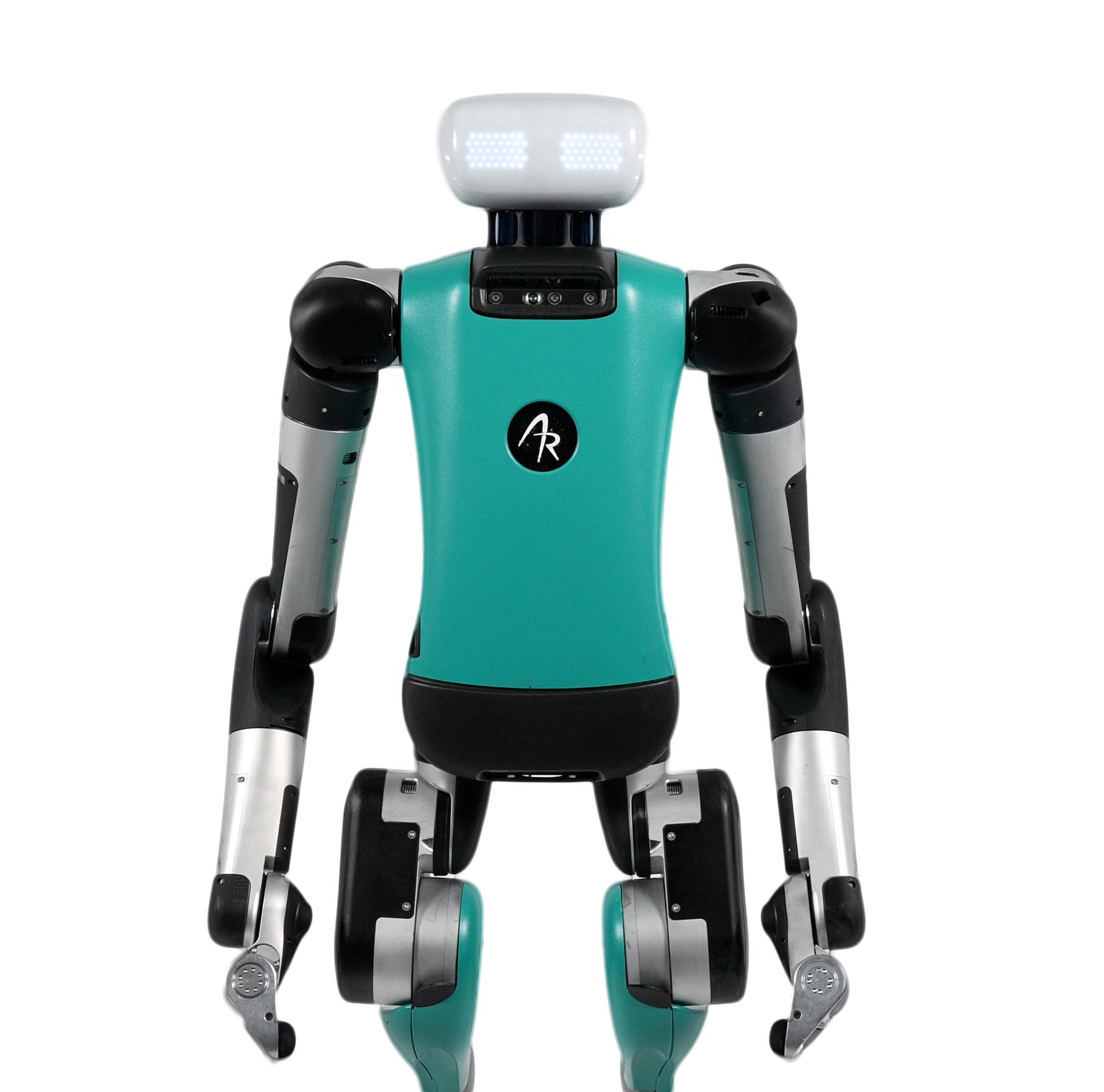
From Pallets to Patients: A 2025–26 Field Report on Humanoid Robots in Warehousing, Manufacturing and Healthcare This field report surveys where humanoid-format robots were actually working in 2025–26. It synthesizes public pilot disclosures, press releases and trade coverage and combines those signals with on‑the‑ground commercial judgment to separate what works today, what still needs engineering, and which verticals look commercially viable in the immediate term. Overview — what “humanoid” means in practice Manufacturers and system integrators use “humanoid” to cover a spectrum: bipedal, human‑form platforms with arms and hands (e.g., Agility Robotics’ Digit, Apptronik Apollo, Sanctuary AI); highly capable box‑handling robots with some humanlike manipulation (Boston Dynamics’ Stretch and Atlas demos); and consumer/companion designs (Xiaomi CyberOne, UBTECH). In many logistics and factory pilots, the technical and commercial competition is not strictly humanoids vs. humanoids but humanoids vs. purpose‑built arms, mobile manipulators and lower‑cost legged/quadruped alternatives (Unitree, Boston Dynamics’ Spot when deployed with a manipulator). Warehouse & Logistics: picking, sortation and palletizing Real deployments in warehouses are the most visible commercial use case. Companies have positioned humanoid or humanoid‑adjacent platforms as flexible drop‑in labor that can handle variability where fixed automation struggles. Agility Robotics — Digit: Agility has marketed Digit as a “warehouse worker” to handle case‑level picking and depot tasks. Pilots disclosed through company press material and trade outlets focused on e‑commerce and 3PL environments. Reported pilot scale is small (single‑digit units running on one or two shifts), with throughput figures in the single‑digits to low tens of picks per hour per robot in mixed‑SKU case handling — well below arm‑based fixed solutions but offering flexibility for unstructured tasks. Customers tend to be large 3PLs and retailers running high‑SKU fulfillment; early KPIs emphasize uptime and reliability rather than raw picks/hr. Boston Dynamics — Stretch/Atlas: Stretch is purpose‑built for box handling and has likewise been pitched to warehouse operators for pallet de‑palletizing and sortation. Stretch deployments at select high‑volume DCs (announced pilots and partner rollouts) show throughputs closer to industry‑acceptable levels for palletizing (hundreds of boxes per hour where boxes are uniform). Atlas remains primarily a demonstration vehicle, used for marketing and advanced research rather than volume deployments. Unitree and quadrupeds: In constrained logistics sites (cold storage, narrow aisles), operators have trialed lower‑cost, legged platforms from Unitree as mobile transport and inspection agents — lower capability than manipulators but much lower price and easier ROI for simple mobility tasks. Integration challenges: perceptual robustness for varied packaging, end‑effector design for diverse geometries, fleet orchestration and safety certification. Cost models are shifting to robotics‑as‑a‑service (RaaS) with pilots commonly structured as multi‑month trials with monthly fees rather than up‑front CAPEX. Discrete Manufacturing: assembly, kitting and line‑side support Manufacturers evaluate humanoids as flexible line‑side labor that can be redeployed across models. Two classes emerged: Figure (Figure AI) / Figuring: Startups focused on factory assembly present humanoids for small‑parts assembly and kitting. Early factory trials reported by the companies and industry press have been limited to pilot lines (one or two cells) doing repetitive, light‑force assembly steps. KPIs emphasize consistency, defect reduction and multi‑skill redeployability rather than headline throughput. Apptronik — Apollo: Apptronik positions Apollo as a “cobot‑class” humanoid for collaborative assembly tasks. Pilots with OEMs and systems integrators focus on tool‑use, line‑side supply and assistive tasks where human dexterity is still required. Reported results show reduced ergonomic injuries and the ability to operate alongside humans with standard safety fences removed, improving floor space utilization. Staffing impacts and ROI: manufacturers report humanoids are most attractive where labor shortages and product mix variability make fixed automation uneconomic. The ROI case in pilots is mixed — good for headcount replacement in high‑turnover lines, weak where cycle time improvements are marginal. Integration often requires substantial cell redesign, vision and force‑control tuning, and certified safety reviews. Healthcare & Eldercare: medication delivery, mobility assistance and aides Hospitals and care facilities have run cautious pilots combining humanoid platforms and telepresence. Sanctuary AI & 1X Technologies: Canadian startup Sanctuary AI and smaller specialist 1X Technologies have run early trials in care homes and clinics. Deployments emphasized tasks such as medication cart delivery, supplies transport, patient monitoring, and non‑medical mobility assistance. Pilot scales are small (single facilities, several weeks to months). Facilities report added scheduling flexibility and reduced staff walking time, but challenges include navigation in crowded corridors and patient acceptance. Tesla Optimus (internal testing): Tesla disclosed internal factory testing of Optimus for support tasks. Publicly available timelines show Tesla focusing first on internal use‑cases rather than immediate commercial healthcare deployments; the company markets Optimus as a generalist that could be adapted to care tasks but has not delivered healthcare‑grade certifications. Key KPIs in healthcare pilots include uptime, successful delivery rate (low single‑digit failure rates), and human acceptance scores. Regulatory complexity and liability make scaling slow in this vertical; pilots primarily validate safety and workflow integration rather than rapid ROI. Consumer & Home Trials: assistance, security and companionship Consumer attempts remain largely demonstration‑led. Xiaomi CyberOne & UBTECH: Xiaomi’s CyberOne and UBTECH’s consumer humanoids are marketed for home assistance and companionship. Trials and demos focus on natural interaction, voice and face recognition, and simplified mobility within home environments. Commercial availability remains limited and pricing for consumer humanoids is high compared with practical home‑service robots. Lower‑cost alternatives: Companies such as Unitree attract budget‑constrained buyers with simpler mobility platforms for home security and monitoring; these are closer to deployment viability than full humanoid household aides. Pricing context and business models Company Positioning Reported/Estimated Pricing Business Model Agility Robotics (Digit) Flexible warehouse picking Enterprise pricing; pilots via RaaS trials (est. high‑five to six‑figure unit economics) RaaS, pilot→scale integrations Boston Dynamics (Stretch) Palletizing & box handling Quoted as premium industrial equipment (mid‑to‑high six‑figures for integrated systems) Direct sale + integration partners Apptronik (Apollo) Line‑side cobot humanoid Enterprise quotations; integration fees Hardware + integration + support Xiaomi, UBTECH Consumer/companion Demo devices; mass market pricing not broadly available (company pricing experiments) Direct sales, ecosystem play Unitree Low‑cost mobility Low‑to‑mid five‑figures Direct sale, developer community Competitive comparison — what wins where In logistics, specialized machines (Stretch, conveyor/ASRS, robotic arms) still beat humanoids on throughput and cost per pick for high‑volume, structured tasks. Humanoids like Digit win when variability and human‑like access (carrying between non‑standard locations) matter. In manufacturing, Apptronik/ Figure‑style humanoids can displace temporary labor and reduce ergonomic injuries but require more integration effort than fixed cobots. In healthcare, the bar is safety and human acceptance; humanoids offer promise but will scale slowly due to regulation. "Today’s winners are not the most humanlike robots but the most pragmatic: platforms that reduce integration friction or replace a single flexible hire," industry analysts told trade outlets covering 2024–25 pilots. What works today, what needs work, and who scales first Works today: Box handling at scale with purpose‑built robots (Stretch) and limited case‑level handling for specialized workflows (Digit pilots). Line‑side assist for repetitive, light assembly tasks where cycle times are modest and human oversight remains. Needs more engineering: Robust, dexterous two‑handed manipulation in cluttered scenes; perception that matches human reliability across lighting/occlusion; systems engineering for fleet orchestration and safety certification in regulated environments. Likely to scale first (through 2026): Warehouse sortation/palletizing (hybrid deployments blending humanoid‑adjacent platforms and arms) and targeted manufacturing line‑side support. Healthcare and consumer markets will see pilots continue but limited commercial scale until regulatory, safety and cost thresholds improve. Bottom line: 2025–26 is the era of pilots and pragmatic deployment, not humanoid ubiquity. Companies that pair a clear, measurable business case (reduced walking time, fewer injuries, flexible redeployability) with accessible pricing models and integration tooling will win the first scalable commercial orders. Sources include company press releases, industry reporting in The Robot Report, Reuters and IEEE Spectrum, and public pilot disclosures from the vendors and their customers.