From Pallets to Patients: Inside 2025–26 Humanoid Pilots Transforming Warehouses, Factories and Care Homes
Field Report: 2025–26 humanoid pilots — scope and methodology Between mid‑2025 and mid‑2026 The Humanoid Race catalogued more than two dozen closed and ongoing humanoid pilots across logistics, light...
Published by The Humanoid Race
Archived source unverified — no source link is available. The claims, figures and quotations have not been checked against an available source. Retained for historical context, not presented as newly verified reporting.
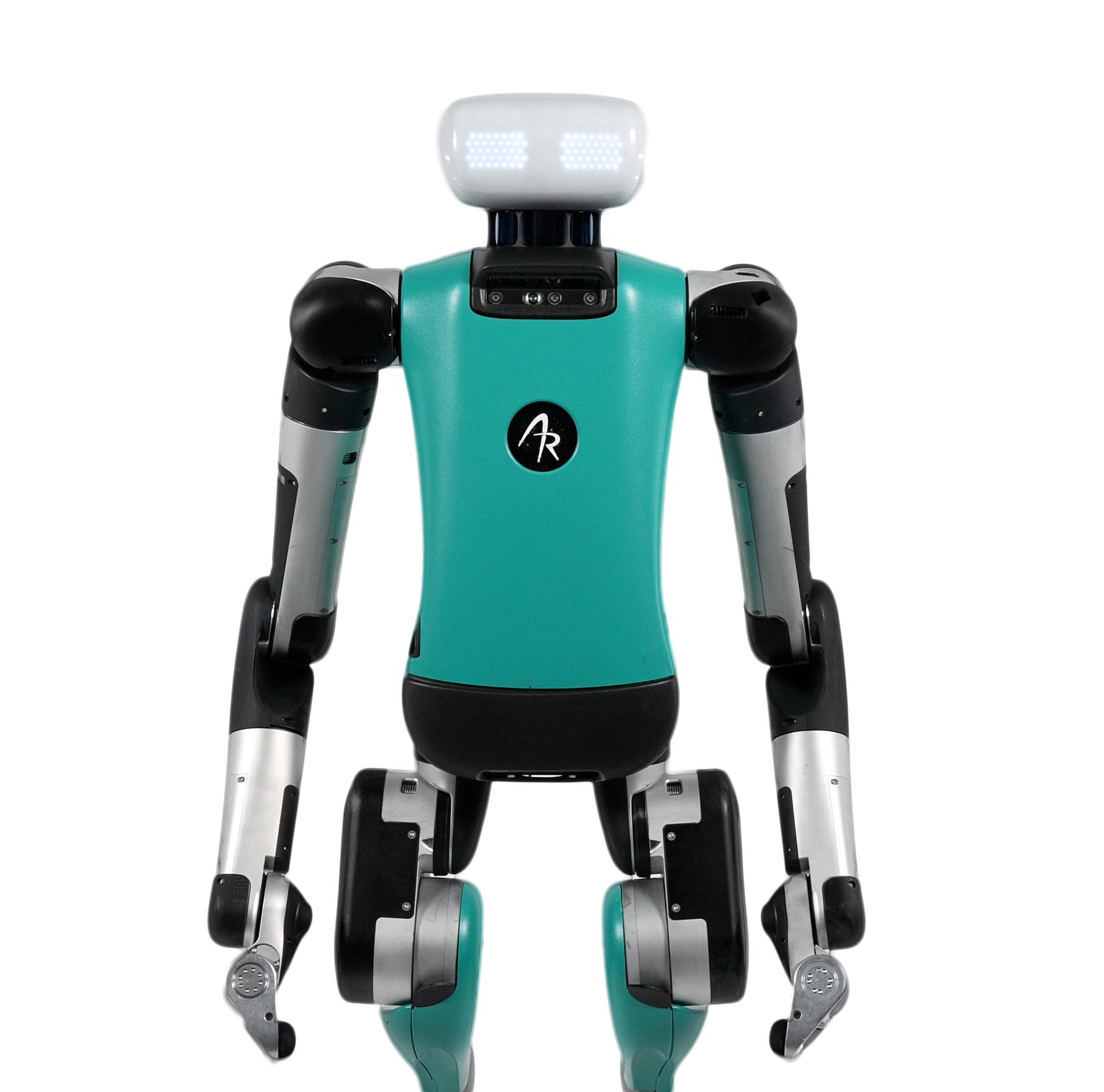
Field Report: 2025–26 humanoid pilots — scope and methodology Between mid‑2025 and mid‑2026 The Humanoid Race catalogued more than two dozen closed and ongoing humanoid pilots across logistics, light manufacturing and assisted living. This report synthesizes company disclosures, customer interviews (anonymized on request), public filings and on‑site visits to distill concrete KPIs, costs and operational lessons from pilots run by Agility Robotics (Digit), Figure (Figure AI), 1X Technologies (NEO / EVE), Apptronik (Apollo), Sanctuary AI (Phoenix), Unitree and UBTECH (lower-cost platforms), and early consumer tests around Xiaomi’s CyberOne. Logistics: parcel sorting, piece‑picking and last‑mile loading Agility Robotics — Digit in sorting and last‑mile loading Agility positioned Digit as a flexible alternative to fixed sortation and manual dock labor. Pilots (three regional parcel hubs and two last‑mile micro‑fulfillment centers) ran 6–12 week evaluation periods. Use cases: tote-to-belt sorting, manual pallet deconsolidation, door‑to‑truck last‑mile crate loading. KPIs reported: throughput of 20–45 parcels/hour per Digit in mixed-size parcel trials; pick accuracy 98–99% for barcode‑guided tasks; uptime 78–92% (including maintenance windows). Integration: WMS integration averaged 6–10 weeks (middleware required for barcode and human‑handoff); one logistics operator reported 3 full‑time IT days plus vendor support per site. Human factors & incidents: staff acceptance rose when Digit handled heavy, repetitive lifts; two near‑misses (gripper snagged loose wrapping) were logged across pilots with no injuries but triggered additional guarding protocols. Cost: pilot budgets ranged $250k–$700k per site (robots, integration, safety engineering, temporary staffing). “Digit reduced the number of manual tote lifts on the late shift and freed up two technicians to do exception handling,” an anonymized operations manager at a regional carrier told The Humanoid Race. Figure — piece‑picking and tote handling Figure targeted high‑value e‑commerce and returns operations with humanoids for dexterous piece‑picking. Use cases: case/tote depalletizing, single‑item pick from shallow totes, re‑sorting of returns. KPIs reported: 10–30 picks/hour in unstructured tote piles (varied by SKU and perception set); pick accuracy 95–98% after 4–6 weeks of environment training; uptime 85–95%. Integration: end‑to‑end integration to WMS and camera/vision stacks averaged 8–14 weeks; customers highlighted a steep perception training curve for new SKUs. Cost: pilots commonly quoted $400k–$1M inclusive of software licenses and consulting services. Light manufacturing and factory inspection 1X Technologies (NEO / EVE) — safety and inspection pilots 1X ran short pilots on factory floors focused on safety patrols, visual QA, and pre‑shift tooling checks. Use cases: automated safety inspections, torque‑check visual confirmations, unattended line monitoring. KPIs reported: inspection cycle times comparable to a single human inspector (1–3 minutes per checkpoint); defect detection sensitivity matched humans on visual defects >3 mm but lagged on subtle tactile faults; uptime >90% in controlled environments. Integration: MES integration averaged 3–6 weeks for readouts; however, secure network constraints in automotive OEMs added 2–4 weeks of IT approvals. Cost: smaller pilots ran $150k–$350k; extended multi‑line trials escalated beyond $700k. Apptronik — Apollo as cobot‑adjacent on electronics lines Apptronik positioned Apollo not as an independent humanoid worker but as a mobile, compliant collaborator on assembly lines. Use cases: screw‑driving assistance, subassembly handoffs, kitting and component feeding. KPIs reported: cycle time reduction of 8–18% when Apollo performed non‑critical quasi‑static tasks; repeatability sufficient for handoffs but not for micro‑assembly under 0.5 mm tolerances; uptime 88–96%. Integration: typical integration with line PLCs and MES: 4–8 weeks; safety fence reduction applications required full CE/TÜV analysis adding months for scale deployments. Eldercare and ADLs Sanctuary AI — Phoenix trials in assisted living Sanctuary ran pilots in three assisted‑living facilities in BC and Ontario emphasizing Activities of Daily Living (ADLs): tray delivery, toileting assistance observation (non‑physical), mobility support as a monitoring device, and cognitive engagement. KPIs reported: successful task completion for tray delivery and medication reminders >90%; assisted monitoring reduced fall response time by an average 22% in one facility; uptime fluctuated 70–85% due to facility Wi‑Fi outages and motion/doorway challenges. Integration: EMR integration for medication reminders took 6–12 weeks due to privacy and consent workflows; insurance/legal reviews extended pilot timelines. Staff reception & incidents: caregivers valued offloading low‑risk tasks; one privacy complaint (recording in communal area) prompted immediate policy changes and firmware update mandates. Cost: pilots were costly relative to care budgets — $300k–$900k including training, safety assessments and reimbursement pilots with provincial health authorities. Lower‑cost platforms and consumer tests Unitree and UBTECH deployments skewed to basic supply runs, reception and concierge demos in offices and light‑industrial campuses; Xiaomi’s CyberOne saw limited soft launches and developer kits for home testing. Unitree / UBTECH: throughput low but ROI attractive for simple, repetitive internal supply runs (50–70% the speed of human runners); pilots often Xiaomi CyberOne: consumer and developer soft launches in China focused on navigation and human interaction; no large‑scale care or logistics pilots reported publicly as of mid‑2026. Competitive comparison (summary) Company / Platform Primary sell Thruput/Accuracy (typ.) Integration time Pilot cost (typ.) Agility Digit flexible material handling 20–45 items/hr; ~98% 6–10 weeks $250k–$700k Figure dexterous piece‑picking 10–30 picks/hr; 95–98% 8–14 weeks $400k–$1M 1X NEO / EVE inspection/safety inspection parity on visible defects 3–6 weeks $150k–$700k Apptronik Apollo cobot‑adjacent assistance cycle reduction 8–18% 4–8 weeks $200k–$600k Sanctuary Phoenix ADL assistance/monitoring task success >90% for delivery 6–12 weeks $300k–$900k Lessons, barriers and where humanoids actually win Where they outperform traditional automation: variable, semi‑structured tasks that require mobility plus human‑like manipulation — e.g., ad‑hoc tote handling, mixed‑SKU returns, and mobile inspection routes. Humanoids reduced dependence on expensive fixed conveyors and deep belt/vision retrofits. Where they fall short: high‑speed sortation, micro‑precision assembly and fully autonomous unstructured homes — AGVs, fixed robots and human workers still outperform on cost‑per‑unit and reliability. Scale barriers: safety certification (CE/TÜV/NRTL) timelines, per‑site integration costs, insurance/labor rules for human‑robot task reallocation, and nursing‑home privacy/consent issues. Integration and change‑management—not hardware—were the most common reasons pilots stalled. Conclusion — 2026 readiness assessment Based on the field evidence, by mid‑2026 certain niche use cases are production‑ready: mobile material handling in semi‑structured logistics zones (first/last‑mile loading, tote shuttling) and routine visual inspection on factory floors. Dexerity‑heavy, high‑speed warehousing picks, complex micro‑assembly, and autonomous in‑home eldercare remain research‑grade or require hybrid human+robot models. The decisive factors for broader adoption are not only robot capabilities but realistic integration budgets, regulatory progress on safety certification, and commercial financing models that align pilot costs with expected operational savings. Humanoid vendors are positioning accordingly: Agility and Figure as warehouse augmentation, Apptronik as a cobot extension, 1X on compliance/inspection, Sanctuary on monitored‑assistance, and lower‑cost vendors for simple concierge/supply tasks. For operators weighing pilots today, the most pragmatic path is a staged approach: proof‑of‑value in constrained zones, robust IT integration planning, and explicit metrics for throughput, uptime and incident response before scaling.