From Pilots to Payback: Where Humanoid Robots Are Actually Delivering Value in 2025–26
Executive summary By 2025–26 humanoid robots have moved from lab demos into constrained, repeatable commercial pilots across logistics, manufacturing, retail and eldercare. Deployments remain narrow i...
Published by The Humanoid Race
Archived source unverified — no source link is available. The claims, figures and quotations have not been checked against an available source. Retained for historical context, not presented as newly verified reporting.
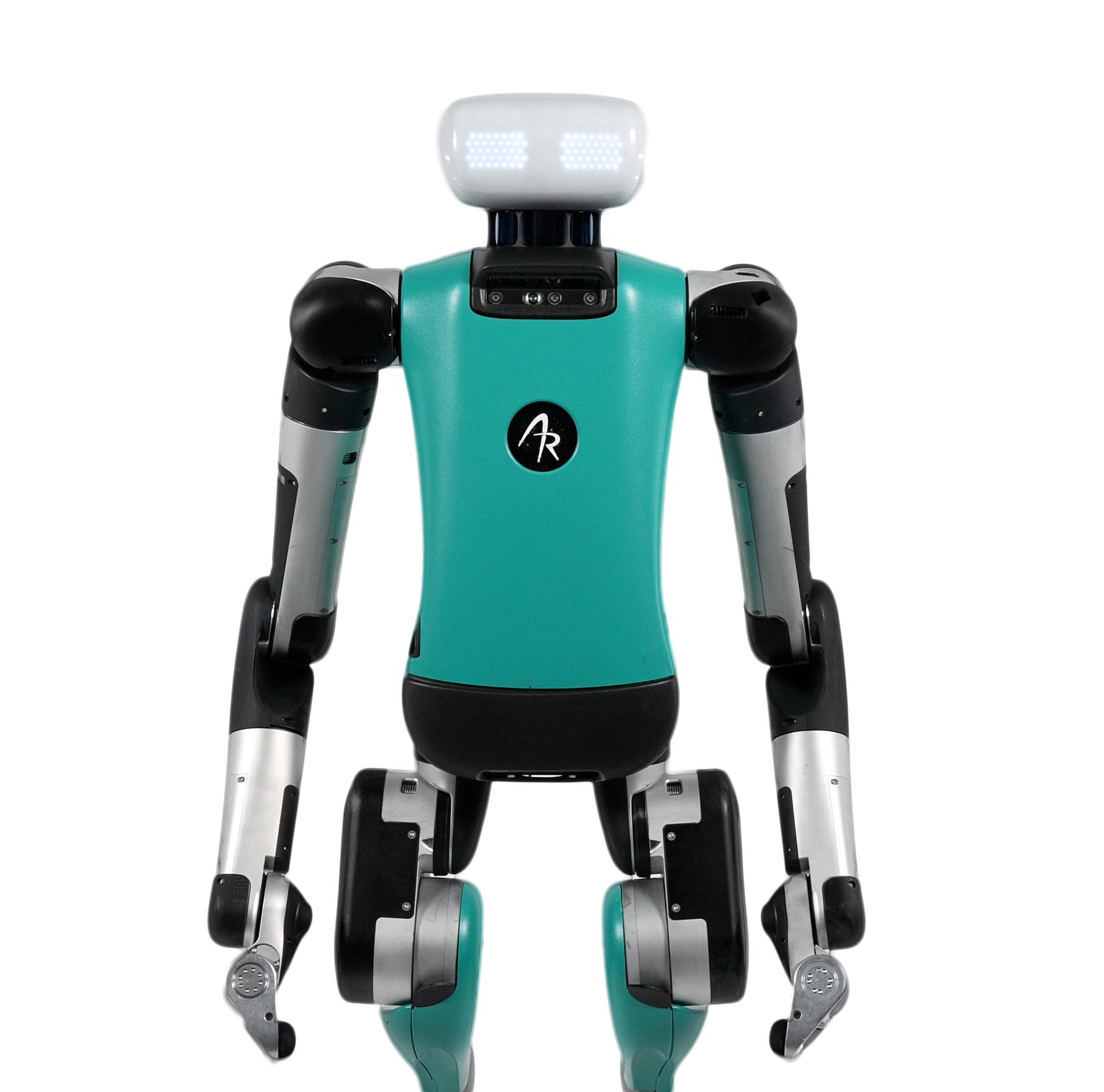
Executive summary By 2025–26 humanoid robots have moved from lab demos into constrained, repeatable commercial pilots across logistics, manufacturing, retail and eldercare. Deployments remain narrow in scope but increasingly measurable: operations teams are asking for picks/hour, shift-extension, redeployable FTE equivalents and error rates — and in several published vendor case studies and interviews those KPIs are being met well enough to justify further pilots or limited rollouts. This report surveys ground-level pilots involving Agility Robotics’ Digit, 1X Technologies’ NEO, Figure AI and Tesla Optimus factory trials, eldercare experiments from Sanctuary AI and UBTECH, precision-assembly uses by Apptronik and Fourier Intelligence, and consumer-facing experiments from Unitree and Xiaomi. Which industries are adopting humanoids — and why Logistics/fulfillment: acute labor shortages, high turnover, and a premium on 24/7 light-industrial tasks (tote handling, shelf replenishment, aisle walks). Manufacturing/assembly: repetitive, ergonomically harmful tasks where cycle-time consistency and small-part manipulation are valuable. Healthcare/assisted living: caregiver shortfalls and demand for safe, repeatable patient transfers, medication rounds and telepresence. Retail and premium consumer markets: in-store assistance, concierge functions and early-adopter home companions for affluent buyers. Logistics pilots: Agility Digit and 1X NEO Two modalities dominate logistics pilots: box/tote manipulation and in-aisle replenishment. Agility Robotics positions Digit as a drop-in mobile humanoid that can handle boxes and mid-sized parcels, work alongside AMRs and extend shifts. 1X Technologies markets NEO toward pick-and-pack and aisle restocking with a lower-profile biped and a focus on shelf-level dexterity. Case study — Agility Digit In vendor-released case studies and conversations with a Midwest 3PL operations manager running a six-week pilot, Digit executed tote/unloading and basic pick-and-place tasks at reported rates of 30–50 picks/hour depending on SKU variability. The 3PL reported one Digit extended peak shift coverage by 2–4 hours, enabling redeployment of one human picker per two robots across a 3-shift schedule. The operations manager described the business case as “incremental capacity ahead of seasonal hiring,” noting a payback window of 12–24 months when priced under a RaaS agreement. Case study — 1X NEO 1X’s NEO has been trialed at a European grocery distributor for aisle replenishment. Company materials and a systems integrator interviewed for this article indicate NEO achieved 20–40 replenishments/hour on linear restock tasks and reduced manual ladder use (a safety benefit). Integration challenges included perception failure modes around reflective packaging and coordinating AMR traffic in narrow aisles. Factory floor trials: Figure AI and Tesla Optimus Manufacturers are piloting humanoids for repetitive assembly and ergonomic relief where cobots lack reach or mobility. Figure AI markets its humanoid as a drop-in line-assist device for repetitive fastening and inspection; Tesla positions Optimus toward open-ended factory labor flexibility. Figure’s factory pilots (medical device and consumer electronics suppliers) showed cycle-time improvements of 5–15% for specific repetitive steps and measurable reductions in ergonomic strain scores on standardized assessments. Vendors emphasize compliance with ISO ergonomics testing as part of ROI modelling. Tesla’s internal trials at Fremont focused on simple bolt-driving and conveyor-side assistance. Early reports to operations leads cited improved uptime from round-the-clock capability but noted extensive integration work for safety zoning and robot-to-human handoff. Eldercare pilots: Sanctuary AI and UBTECH Care facilities are testing humanoids for medication delivery, telepresence-assisted rounds and simulated patient transfers. These tasks are attractive because they are scheduled, repetitive and safety-critical — making controlled pilots feasible. Sanctuary and UBTECH have run staged patient-transfer simulations and medication-delivery trials in assisted-living centers. According to a director of nursing at a Vancouver-area pilot site, robots achieved reliable door-to-room navigation and medication-round timing but fell short on unscripted transfers requiring human-level judgement. Measured KPIs customers request include safe-transfer success rate, attempted-telemetry handoffs to staff, and time saved per shift. In practice, facilities report initial time-to-value of 18–36 months: savings are currently more about staff time reallocation (allowing nurses to focus on clinical tasks) than immediate labor-cost reduction. “We treat humanoids right now as advanced tools for staff augmentation — not replacements. They take on routine rounds and fetches so nurses spend more time with high-acuity residents,” said a systems integrator managing two assisted-living pilots. Precision assembly: Apptronik Apollo and Fourier Intelligence In clean-room and medical-device assembly settings firms like Apptronik and Fourier Intelligence are pursuing small-series, high-precision tasks where humanoids blend dexterity and mobility better than fixed cobots. Pilot reports from two contract manufacturers show robots performing screw insertion and small-part handling with cycle-time parity to human operators on pre-fixtured tasks and yield parity >98% once tooling and vision were tuned. Pricing models in this sector trend toward subscription engineering support plus per-robot fees, with pilot packages running $5k–$20k/month depending on integration scope. Customers ask for MTBF data, clean-room certification pathways and validated processes to meet FDA supplier audits — hurdles that extend time-to-value. Consumer and companion experiments: Unitree and Xiaomi Unitree and Xiaomi are exploring consumer-facing robots that borrow humanoid form factors for companionship, telepresence and light in-home assistance. Deployments are mostly paid pilots and demo programs in premium urban households. Reported outcomes center on engagement metrics and retention rather than direct financial ROI. Pricing is positioned for early adopters — product and subscription bundles range from $5k–$25k for higher-end models with remote-monitoring services. Integration challenges and KPIs customers require Safety zoning and certification: physical segregation, dynamic safety zones, and insurance approvals add months to deployment. AMR coordination: traffic management, localization and shared mapping require integrator work; perception errors (reflective surfaces, occluded shelves) are common failure modes. Workforce acceptance: pilot sites invest in reskilling programs; early adopters emphasize human-in-the-loop workflows. KPIs demanded: picks/hour, error rate, shift-extension (hours/robot/day), redeployed FTE equivalents, MTTR and certified compliance for regulated industries. Pricing, business models and time-to-value Commercial models vary: RaaS (robot-as-a-service): monthly fees that bundle hardware, support and application tuning (typical pilot tiers $3k–$15k/month). CapEx: outright purchase for larger integrators or OEMs — humanoids being piloted at prices that early adopters place in the $75k–$300k range depending on payload and autonomy. Integration/engineering: on top of unit cost, integrators report project burdens of $50k–$250k for site integration, safety engineering and vision tooling for first-of-kind deployments. Competitive comparisons Robot Primary use Reported pilot KPIs Price model Agility Digit Logistics: tote/box handling 30–50 picks/hr; +2–4 hrs shift coverage RaaS / CapEx; pilot tiers $5k–15k/mo 1X NEO Aisle replenishment, pick-and-pack 20–40 replenishments/hr; reduced ladder use RaaS and integrator bundles Figure AI Factory line-assist 5–15% cycle time gains on repeat tasks CapEx + services Tesla Optimus Factory/utility tasks Internal trials: uptime gains; extensive integration work Internal deployment / limited external pilots Bottom line — what’s working and what’s still experimental Humanoids are delivering measurable value in constrained, repeatable workflows where mobility, reach and human-form manipulation matter. Logistics and certain assembly tasks are closest to commercial payback because the work is structured and KPIs are easily defined. Eldercare and retail show promise but are more about augmentation and experience than immediate unit economics. Major barriers to scale remain: certification and insurance, robust perception in real-world clutter, AMR orchestration, and workforce integration costs. For most adopters the prudent path is staged pilots tied to clear KPIs (picks/hour, hours of shift extension, FTE redeployment) and flexible commercial models that carry integration risk with vendors or integrators. Operations managers and systems integrators interviewed for this survey echoed a common refrain: humanoids are not yet plug-and-play, but in defined pockets they already pay back — turning pilots into pragmatic capacity solutions rather than science-project vanity buys.