From Pitch Deck to Purchase Order: How humanoid makers retool their marketing and sales plays for warehouses, wards and living rooms
Executive summary Humanoid robotics companies tailor messages, channels and commercial packaging to win specific buyers — warehouse operators, manufacturers, care homes and mainstream consumers — rath...
Published by The Humanoid Race
Archived source unverified — no source link is available. The claims, figures and quotations have not been checked against an available source. Retained for historical context, not presented as newly verified reporting.
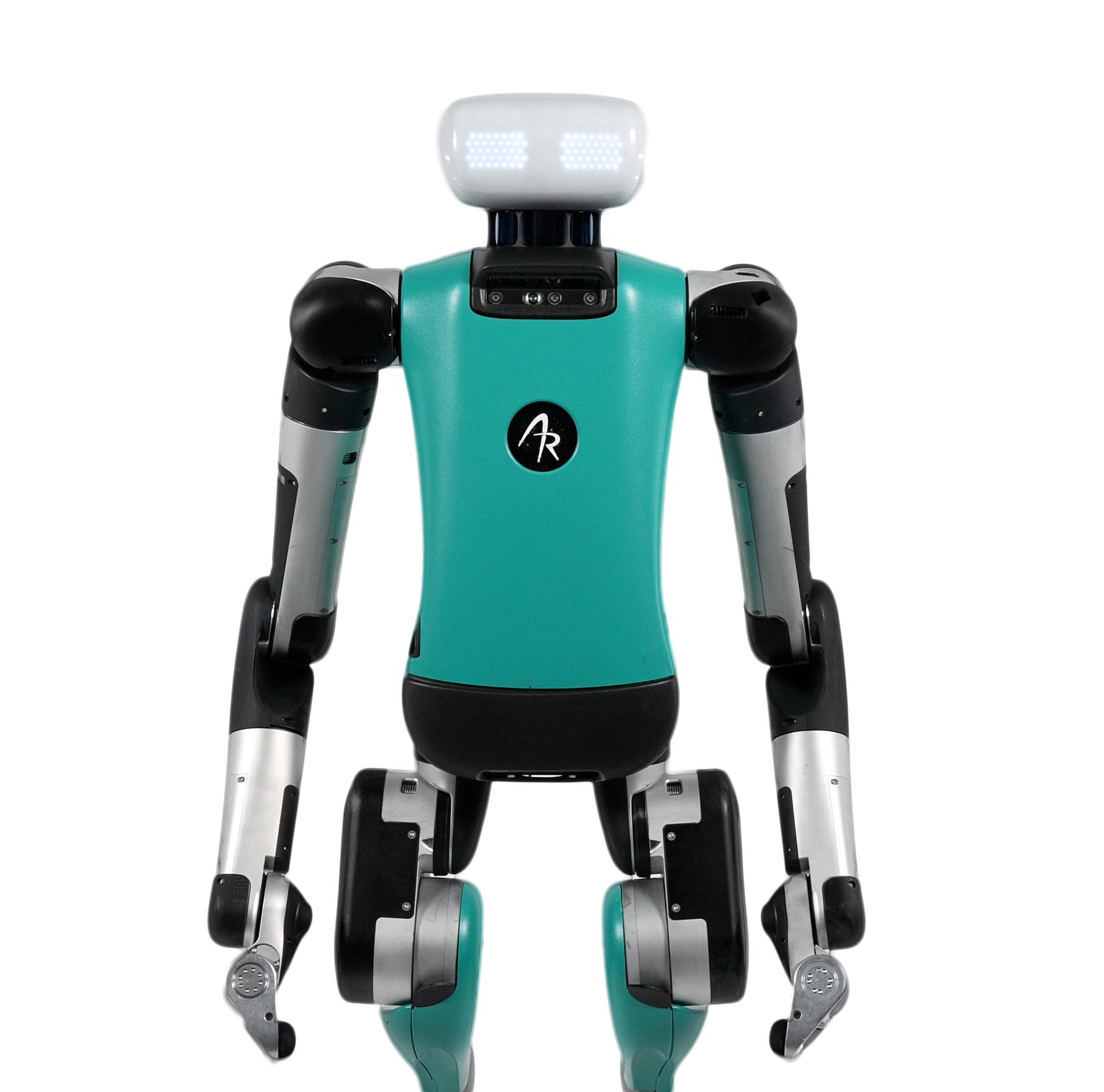
Executive summary Humanoid robotics companies tailor messages, channels and commercial packaging to win specific buyers — warehouse operators, manufacturers, care homes and mainstream consumers — rather than selling a single “one‑robot‑fits‑all” product. Market leaders present differentiated narratives: Tesla’s Optimus is framed as a mass‑market, vertically integrated future of labor; Agility Robotics sells Digit as a logistics‑first, ROI‑driven automation; Figure and startups emphasize ruggedized, high‑precision manipulation for fulfillment; Apptronik and rehabilitation specialists market collaborative co‑bots for assembly lines; Sanctuary AI and like‑minded teams pitch safety and empathy for healthcare; Xiaomi and UBTECH adopt consumer‑friendly, price‑sensitive plays for homes and social use. How positioning varies by vertical Logistics and fulfillment: ROI, throughput and seven‑figure pilots Logistics buyers want throughput, uptime and predictable ROI. Agility Robotics has repeatedly framed Digit around reducing repetitive lifting injuries and improving pick/pack efficiencies in warehouses — a classic labor substitution sales pitch. Companies targeting fulfillment centers (including Figure and a raft of startups building high‑precision manipulators) emphasize: Case studies and pilot data: throughput improvements, fewer lost‑time injuries, and utilization metrics from week‑long pilots. Systems integration readiness: APIs, ROS stacks and integrations with WMS and conveyors. Commercial packaging: pilot agreements, performance SLAs and option to scale to fleet deployments. Result: enterprise customers typically engage through multi‑month pilots via systems integrators, with total up‑front pilot costs ranging from mid‑five to seven figures depending on scope, followed by scale contracts or Robot‑as‑a‑Service (RaaS) subscriptions. Manufacturing and assembly: collaborative safety and repeatability Apptronik, Fourier Intelligence and similar teams position humanoid or humanoid‑adjacent platforms as collaborative robots for repetitive assembly where humans and robots share space. Messaging centers on: Safe torque‑limited actuation, compliant control and predictable motion to reduce guarding costs. Tooling and end‑effector ecosystems for screwing, fastening and small‑parts insertion. Integration services and on‑site training to accelerate line changeovers. Go‑to‑market here leans on direct enterprise sales supported by local automation partners and integrators — sales cycles are long, but contracts include warranties, training blocks and per‑line pricing rather than per‑unit MSRP. Healthcare and eldercare: empathy, safety and regulation Startups that focus on healthcare (Sanctuary AI among them) pivot their narrative to emphasize safety, explainability and human‑centered interaction. Collateral emphasizes: Redundant sensors and safe navigation for constrained ward environments. Clinical validation plans, regulatory pathways and infection‑control considerations. Soft‑skill demos and scripted empathy interactions used in sales demos to reassure administrators and families. Procurement in this sector favors longer pilots with clinical outcome metrics, strong indemnity and conservative leasing with maintenance included. Consumer and social robots: brand familiarity and price sensitivity Xiaomi and UBTECH use consumer channels — retail, online marketplaces and carrier partnerships — and relentless price/feature messaging. Their playbook mirrors smartphones and smart‑home devices: low price points, recognizable consumer UX, app ecosystems and seasonal promotions. This contrasts with enterprise players who obscure MSRP behind enterprise contract negotiations. Channels, packaging and financial mechanics Humanoid makers repurpose hardware and software across verticals by varying warranties, commercial terms and services: Direct enterprise sales: long sales cycles, fixed‑price installations, multi‑year service contracts and performance SLAs. Pilots via integrators: low‑risk six‑ to 12‑week trials with pay‑for‑success clauses; integrators bundle robots with conveyors, vision and WMS. OEM partnerships: white‑labeling or embedding manipulators into larger automation cells for established OEMs. Developer programs: SDKs, cloud credits and incubator supports to seed application ecosystems. Consumer channels: retail, online flash sales and finance/leasing for consumers. Commercial levers commonly used to close deals: deferred payment schedules, leasing/RaaS, performance rebates, extended warranties, on‑site operator training and dedicated integration engineering time. In healthcare and manufacturing the same robot may be sold with a 24/7 support contract and validated process documentation; in retail or logistics the focus is on fleet management and uptime SLAs. Marketing artifacts and sales collateral: what's inside the pitch deck Across companies the sales playbook contains predictable artifacts: Value proposition slides: cost per pick, injury reduction, labor delta vs. headcount. ROI calculators: templated Excel/PowerPoint tools — plug in labor rates, shift patterns and expected uptime to produce a 12–36 month payback projection. Demo scripts: choreographed sequences for trade shows and customer visits — emphasize reliability metrics and fail‑safe behaviors. Technical appendices: integration APIs, sensor suites and MTBF data for procurement teams. "Buyers evaluate not just the arm and torso; they buy the SLA, the spare parts strategy and the training program," — recurring line in enterprise procurement reviews of humanoid vendors. Competitive landscape and decision criteria Companies compete on three axes: (1) operational readiness for the vertical, (2) TCO and commercial packaging, and (3) trust (safety/regulatory/compliance evidence). A high‑level comparison: Company type Primary pitch Ideal buyer Tesla (Optimus) Mass‑market, vertically integrated labor replacement Enterprises seeking scale and single‑stack solutions; long‑horizon strategic buyers Agility Robotics Logistics ROI; mobility in human spaces 3PLs, fulfillment centers, fleets of distribution sites Figure / manipulation startups High‑precision handling for fulfillment High‑throughput warehouses, parcel sortation centers Apptronik / Fourier Collaborative assembly and human augment Light manufacturing and assembly lines Sanctuary AI Caregiving and healthcare with empathy and safety Healthcare systems, eldercare providers Xiaomi, UBTECH Affordable, consumer‑friendly social robots Households, retailers, education markets Recommendations for C‑suite buyers Insist on procurement metrics: uptime SLAs, mean time to repair, spare parts availability and documented pilot outcomes tied to KPIs you care about (throughput, error rate, injury reduction). Validate ROI tools: request raw models behind vendor ROI calculators and stress‑test assumptions on labor rates and scale effects. Ask for integration scope: who owns the WMS, ERP and vision integrations? Get a RACI for responsibilities and change management costs. Prefer staged contracts: start with a bounded pilot with clear exit criteria and options to scale with pre‑negotiated pricing and SLAs. Check cross‑selling risks: for vertically integrated vendors, understand roadmap lock‑in and the interoperability of third‑party tooling. Conclusion Humanoid vendors win deals by telling industry‑specific stories, packaging technical capabilities with commercial risk mitigation, and choosing channels that match buyer procurement processes. As robots mature, the differentiator is increasingly service design — warranties, training and integration — not only the arm or gait. For buyers, parsing vendor claims requires forensic attention to the assumptions behind ROI models and the operational terms that turn a publicity demo into reliable production automation.