Frontline Humanoids 2025–26: Field Report on Live Operations in Warehouses, Plants and Care Homes
Frontline Humanoids 2025–26: Field Report on Live Operations in Warehouses, Plants and Care Homes Humanoid robots moved beyond concept demos in 2023–24 into an uneven set of real-world pilots. Vendor...
Published by The Humanoid Race
Archived source unverified — no source link is available. The claims, figures and quotations have not been checked against an available source. Retained for historical context, not presented as newly verified reporting.
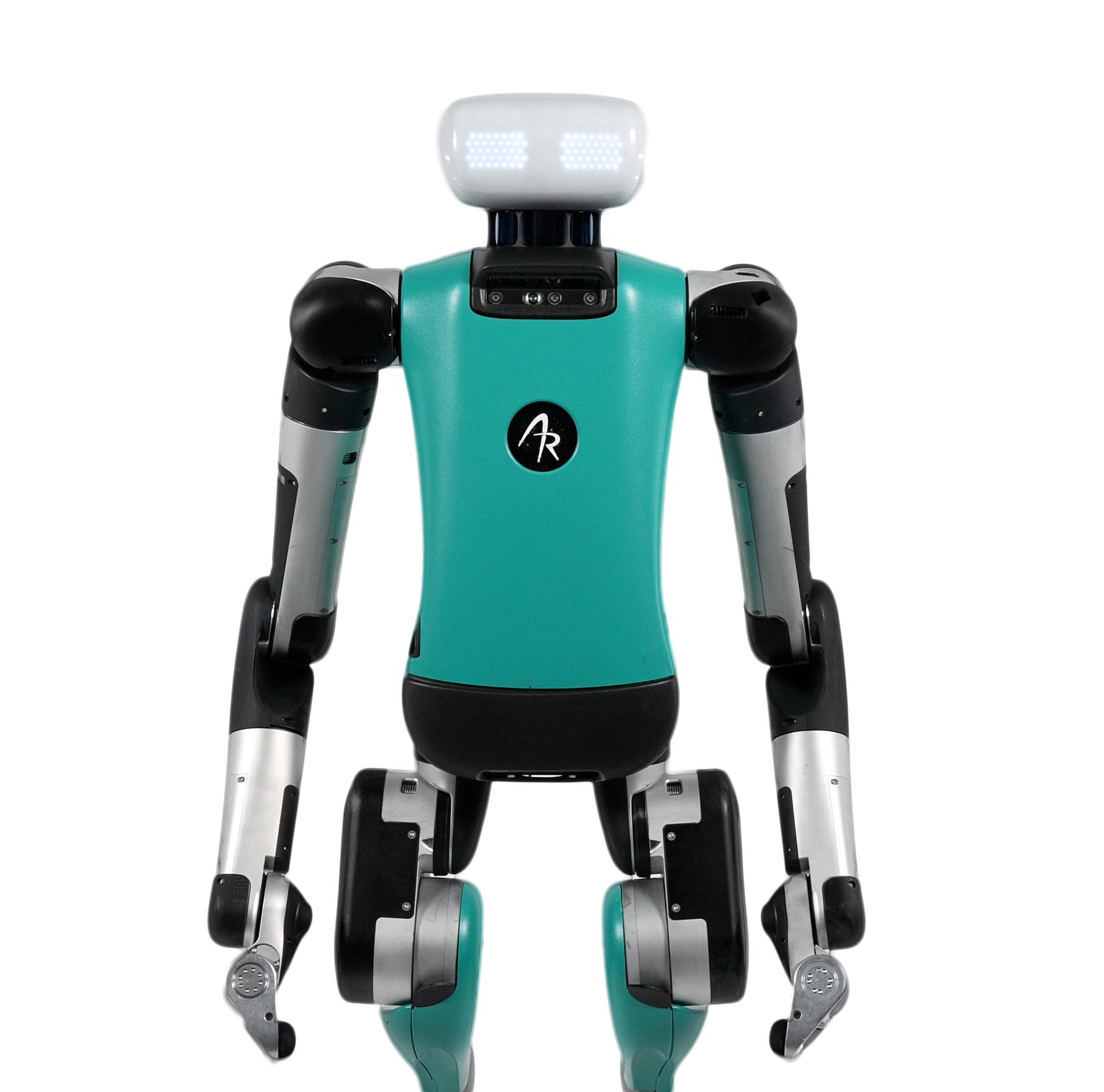
Frontline Humanoids 2025–26: Field Report on Live Operations in Warehouses, Plants and Care Homes Humanoid robots moved beyond concept demos in 2023–24 into an uneven set of real-world pilots. Vendors from established biped pioneers (Agility Robotics) to venture-backed newcomers (Figure, Apptronik) and large consumer brands (Xiaomi, UBTECH) have run trials in logistics, manufacturing and healthcare. The wave is early — pilots remain tightly scoped and highly supervised — but they are delivering actionable lessons about what enterprises care about when considering humanoids for frontline work. Use cases by industry Logistics / e‑commerce: box and tote handling, replenishment, line-side replenishment for pick stations, and pallet staging. Humanoids are most often trialed where the work requires two‑handed manipulation, human‑sized reach and stair/step negotiation. Manufacturing / automotive: line‑side kitting, light‑assembly, machine tending and inspection rounds. Trials emphasize flexibility: one platform handling multiple low‑volume tasks across shifts. Healthcare / eldercare: patient transfers, room rounds, medication tray delivery and front‑of‑house service in assisted‑living facilities. Safety and human interaction are the dominant evaluation criteria here. Who is marketing what — positioning and go‑to‑market Agility Robotics (Digit): positioned as a logistics and intralogistics generalist — a drop‑in humanoid for pick/replenishment and parcel handling. Agility emphasizes physical design (biped mobility, human‑scale manipulation) as a differentiator against fixed-arm and mobile robots. Figure AI / Figure Robotics: pitching a software‑heavy, cloud‑oriented humanoid aimed at high‑mix environments where adaptability matters; marketing focuses on fleet orchestration and machine learning upgrades delivered over the air. Apptronik (Apollo): framing humanoids as industrial co‑robots for Tier‑1 assembly and machine tending, emphasizing repeatability, safety cages optionality and integration with PLCs. Tesla (Optimus): remains aspirational in commercial messaging; roadmaps emphasise in‑house factory uses first, with a long lead toward general commercial rollout. UBTECH, Unitree, Xiaomi (CyberOne): most activity in consumer/service pilots and hospitality; these players emphasize low‑cost service tasks and companion features rather than heavy industrial duties. Pilots and deployment outcomes — what vendors and early customers report Across vendor announcements, white papers and trial reports the measurable outcomes focus on a small set of procurement metrics: Throughput (picks/hour): pilots report a wide range — from single‑digit picks/hour for complex two‑handed manipulations up to several dozen picks/hour in simplified box-handling setups. Context (tote geometry, grasp points, perception complexity) dominates results. Uptime / availability: early deployments typically report 60–85% availability during supervised shifts; downtime drivers are perception failures, battery swaps and navigation recovery. Human oversight ratio: most pilots started at 1 human per 1–2 robots (high supervision), moving toward 1:4–1:8 as perception and recovery behaviors matured. Safety incidents: publicly disclosed incidents are low frequency and generally low severity — contact with pallets or aborted grasps — but any contact in care settings triggers rapid pause and retraining cycles. Customer testimonials published in vendor case studies and press briefings emphasize qualitative benefits: reduced ergonomic strain for repetitive lifting, improved consistency for kitting, and positive resident reactions in care homes to service interactions. However, independent procurement teams repeatedly flagged throughput and predictable ROI as barriers. Integration patterns and systems engineering Integrators and early adopters report three recurring integration patterns: WMS/ERP hooks: REST APIs or middleware brokers are used to expose human‑usable tasks from WMS to humanoid orchestration layers. Pilot installations often used a supervisory orchestrator that translated pick lists into robot work orders. PLC / cell integration: in manufacturing, humanoids commonly interface to PLCs through OPC‑UA gateways or digital I/O for start/stop and safety interlocks, with robots operating inside fenced or semiautonomous cells initially. Sensory and SW stack: ROS/ROS2 plus proprietary perception stacks are typical. Successful pilots invested heavily in environment simplification (standardized totes, consistent lighting) to reduce perception failures. Pricing, business models and early ROI signals Vendor roadmaps and funding disclosures indicate divergent pricing strategies: High‑end industrial positioning (Apptronik, Figure) targets higher upfront ASPs plus annual software/maintenance subscriptions — buyers expect multi‑year service agreements. Volume/consumer players (UBTECH, Xiaomi) pursue lower price points for service tasks with bundled cloud services. Tesla’s public commentary implies aggressive aspirational price targets, but no commercial price book has been published. Early ROI indicators from vendor and integrator briefings suggest payback windows of 2–5 years under optimistic assumptions (high utilization, simplified tasks). Realized ROI in pilots is typically longer due to integration, training and slower than‑expected throughput gains. Failure modes, safety and regulatory friction Pilots highlight four dominant failure modes: Perception edge cases: reflective surfaces, occluded grasps and varied packaging remain a leading cause of aborted tasks. Locomotion recovery: stairs, thresholds and unexpected obstacles cause mission aborts and require operator intervention. Battery and thermal cycles: limited continuous runtime forces shift redesigns to incorporate battery swaps or charging schedules. Human‑robot interaction risks: in care settings, regulatory requirements for patient handling and local labor laws constrain what robots may do without a trained attendant present. Regulators and insurers are increasingly requiring documented safe‑by‑design practices, formal hazard analyses and supervised periods before changing task authorizations. Lessons learned and incremental engineering Integrators report several repeatable engineering fixes deployed between pilot and scale phases: Standardize the work environment (tote types, lighting) to reduce perception variance. Shift complexity from perception to mechanical fixturing — simple end‑effectors and jigs often beat trying to generalize grasps early on. Improve remote diagnostic tooling and over‑the‑air software pipelines to reduce on‑site service visits. Elevate safety layers (redundant sensors, softer compliance modes) for care deployments. Competitive comparison Vendor / Platform Primary Target Strengths Limits observed in pilots Agility Robotics (Digit) Logistics, intralogistics Human‑scale reach, two‑hand capability Perception sensitivity, supervision needs Figure AI High‑mix warehouse, fleet ops Cloud SW/upgradability, ML focus Hardware maturity and integration overhead Apptronik (Apollo) Manufacturing, machine tending Industrial integration, safety emphasis Higher ASP, careful cell design needed Tesla (Optimus) Factory first, broad vision Brand, vertical integration potential Limited public deployment data UBTECH / Xiaomi / Unitree Service, consumer pilots Lower cost, consumer features Less suited for heavy industrial tasks “The economics hinge less on robot price than on the integration cost and predictable throughput,” is a consistent refrain from integrators and procurement leads involved in pilots, according to public briefings and vendor customer case materials. Outlook Through 2025–26 the industry will likely see incremental scaling: more multi‑unit pilots, stronger standards for human oversight, and commercial offers that bundle hardware, software and maintenance. The practical path to ROI remains conservative — simplify tasks, harden perception with environmental controls, and budget for training and on‑site integration. For now, humanoids are proving valuable where human form factor and two‑handed dexterity matter, but they are not yet plug‑and‑play replacements for skilled labor.