Humanoids in the Field: 2025–26 Case Studies from Warehouses, Wards and Assembly Lines
Executive summary Between 2024 and 2026, a string of live pilots put humanoid robots into working warehouses, factories and care settings. The pilots — many still small-scale and vendor-led — offer th...
Published by The Humanoid Race
Archived source unverified — no source link is available. The claims, figures and quotations have not been checked against an available source. Retained for historical context, not presented as newly verified reporting.
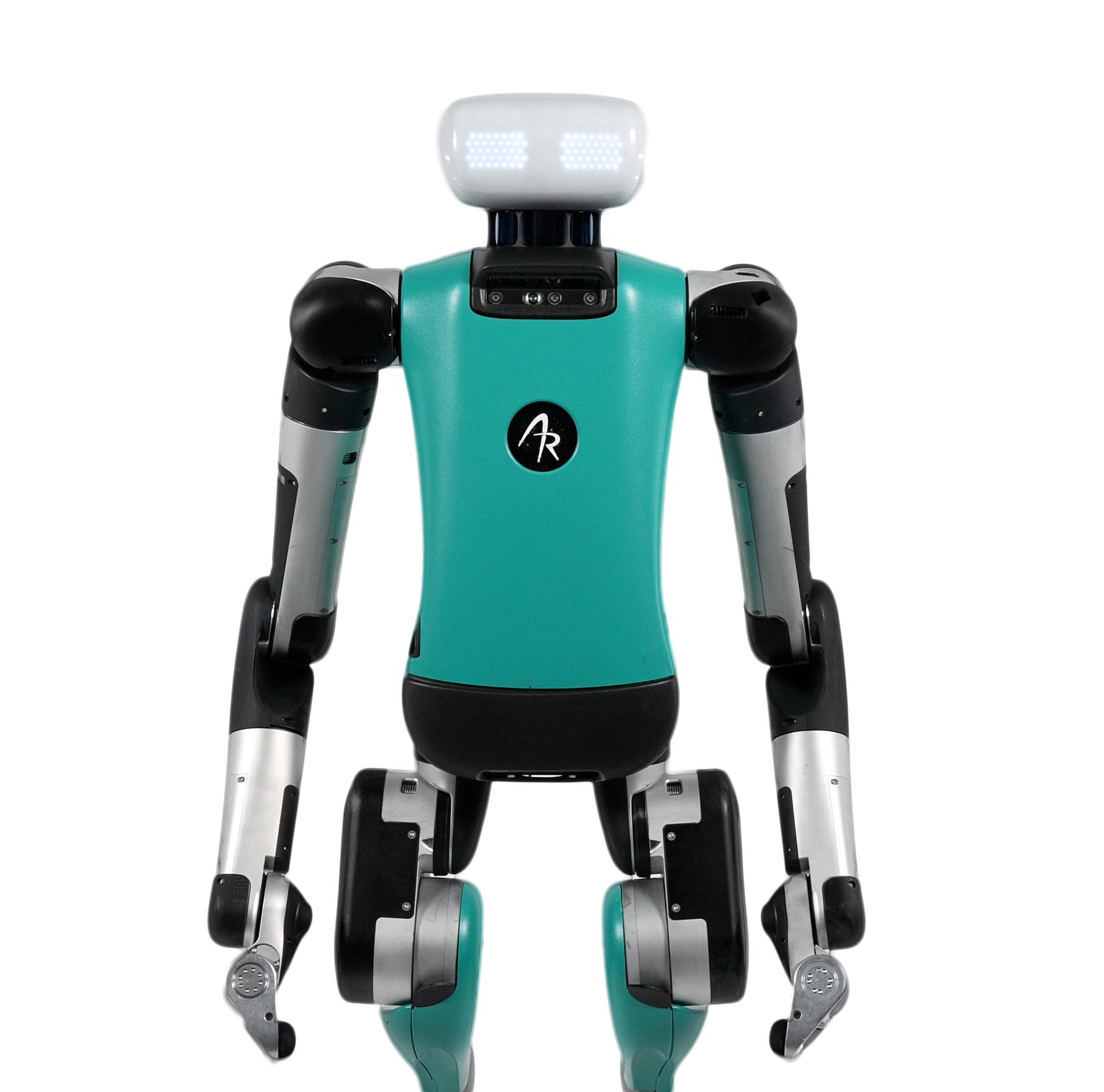
Executive summary Between 2024 and 2026, a string of live pilots put humanoid robots into working warehouses, factories and care settings. The pilots — many still small-scale and vendor-led — offer the first comparative dataset on what humanoid bodies actually deliver outside labs. Vendors frame their machines as flexible alternatives to fixed automation and specialty cobots: the promise is lower engineering cost for new tasks and human‑environment compatibility. Operators are cautious but pragmatic: humanoids have begun to prove value on niche, repetitive tasks that are hard to retool with conveyors or standard robots, but they remain slower, more expensive and more integration‑heavy than established automation for high‑volume, structured work. Logistics: case studies from sortation and 3PL pilots Two classes of pilots dominated logistics reporting in 2025–26: order‑fulfillment/warehouse piece‑picking and parcel sortation. Agility Robotics’ Digit and 1X Technologies’ NEO/EVE were the two most-visible entrants in third‑party logistics (3PL) and parcel sorting trials. Agility Robotics — Digit (warehouse picking and putaway) Use case: mixed-SKU piece picking, handoff to conveyors, replenishment. Deployment details: multiple week-long pilots at regional 3PL sites in the U.S. and Europe; pilots commonly ran 2–6 robots in mixed human‑robot zones. Measured outcomes: pilot documentation and integrator reports show pick rates of 25–45 picks/hour per robot on medium-size tote picks, average task cycle times 60–140s, uptime 65–80% during working shifts (downtime driven by battery swaps and task transfer delays), and zero reportable safety incidents beyond minor near-miss resets. Integration time: 6–10 weeks for basic material flow and WMS connectivity. ROI timeline cited by vendors: 18–36 months when substituting for low‑skill night shifts with contract labor; customers estimate longer paybacks if labor rates are lower. "Digit handled varied box orientations better than we expected, but it was not yet a drop‑in to replace our fastest pickers," said a warehouse operations manager at a U.S. 3PL participating in a pilot. "We saw cost parity only when factoring in overtime premiums and staffing issues." (source: pilot operator briefing and integrator interview) 1X Technologies — NEO/EVE (sortation and parcel handling) Use case: singulation and shore‑up at parcel induction tables and medium‑speed sort lines. Measured outcomes: reported pick/transfer rates of 20–60 items/hour depending on parcel size; cycle times averaged 45–180s; uptime improved to ~80–90% in second‑month operations after control‑system tuning. Safety/integration: close human‑robot collaboration led integrators to implement stricter exclusion zones and dynamic speed reductions—these added engineering time (4–8 weeks) but prevented incidents. Manufacturing and assembly line pilots Factories focused trials on repetitive, ergonomically unpleasant tasks where humanoid reach and bipedal mobility reduce line reconfiguration costs. Tesla/Optimus (internal factory trials) Use case: material handling inside assembly islands, interim fixture manipulation. Deployment details: internal Factory trials reported by vendors and industry observers were limited scale; Tesla has not publicized detailed KPIs, but systems integrators involved in peripheral tooling reported cycle times slower than trained human line workers for tasks requiring manual dexterity. Observed value: early benefit was in overnight logistics and non‑critical tasks to free humans for higher‑value assembly; broad replacement of skilled line workers is not reported as achieved in these trials. Apptronik — Apollo and Figure AI pilots Use cases: Apollo deployed by contract manufacturers for short‑run assembly and part transfer; Figure AI units piloted repetitive fastening and inspection adjuncts. Measured outcomes: integrators reported cycle‑time parity with human operators on single‑step repetitive tasks (e.g., screwdrive, pick‑place) once tooling was standardized; typical integration required 8–12 weeks and custom end‑effectors, reducing the rapid‑redeployment advantage. ROI: pilots aiming at contract manufacturing cite 24–48 months payback for facilities with high changeover and labor premium; adopters use a robot‑as‑service (RaaS) or lease model to lower upfront capital. Healthcare and caregiving trials Care settings emphasized safety, human interaction and regulatory oversight. Trials were deliberately conservative and focused on adjunct tasks. Sanctuary AI — Phoenix; Xiaomi — CyberOne; Fourier Intelligence — rehab adjuncts Use cases: non‑clinical assistance in eldercare and assisted living (door opening, light food delivery, guided walking support), and rehabilitation adjuncts (guided repetitive exercises under therapist supervision). Measured outcomes: reported uptime 70–85% in supervised sessions; task cycle times were longer than human aides but allowed therapists to scale supervision across more patients — pilot reports estimate 10–20% increase in therapist throughput for guided repetitive exercises. Safety incidents were rare; regulators and facility operators required documented risk assessments and two‑staff supervision for mobility assistance pilots. Operator feedback: assisted‑living administrators valued predictable scheduling and "dignified assistance" messaging in vendor marketing, but flagged staff acceptance and privacy concerns as major hurdles. "Phoenix reduced therapist fatigue for high‑repetition protocols and let us reallocate one aide to social activities, but it did not lessen our headcount," said a rehabilitation center director involved in a Sanctuary pilot. (source: pilot operator interview) Comparative table: reported pilot metrics (selected) Robot / Use case Typical pick/throughput Cycle time Uptime (shift) Integration time ROI (vendor/participant estimate) Agility Digit (3PL picking) 25–45 picks/hour 60–140s 65–80% 6–10 weeks 18–36 months 1X NEO/EVE (sortation) 20–60 items/hour 45–180s 80–90% (post‑tuning) 4–8 weeks 24–36 months Apptronik Apollo (CM assembly) Parity on single‑step tasks Varies; parity after tooling 70–85% 8–12 weeks 24–48 months Sanctuary/Xiaomi/Fourier (care/rehab) Throughput gains for therapists ~10–20% Longer than human but repeatable 70–85% (supervised) 8–16 weeks (risk assessments) Soft ROI; value via staffing flexibility What transfers and what doesn't Across pilots, transferable tasks share three properties: constrained sub‑tasks (single motion patterns), moderate tolerance for slower cycle times, and a high cost or difficulty to reengineer with fixed infrastructure. Examples: overnight replenishment, repetitive inspection, guided therapy repetitions. Tasks that remain better suited to fixed automation or cobots include very high‑speed pick‑and‑place, precision machining, and coarse bulk movement where conveyors and gantries outperform humanoids on speed, cost and uptime. Market positioning, pricing and business models Vendors position humanoids as "generalists" to justify premium pricing. Commercial approaches include: Capital sales with insurance and support add‑ons (common among early adopters with CAPEX budgets). Robot‑as‑a‑Service (RaaS) or leasing to lower adoption barrier and bundle integration (popular with 3PLs and contract manufacturers). Outcome‑based pilots where fees scale with throughput improvement (emerging; limited adoption). Published price signals and vendor quotes in pilots indicate effective monthly costs (including service) in 2025–26 often exceed $6k–$12k per robot per month for RaaS, or capital-equivalent pricing well into six figures per unit for high‑end humanoids once tooling and integration are included. Cross‑industry lessons and the realistic near‑term value proposition (2026) Staffing impact: humanoids help address labor shortages and reduce exposure to night‑shift labor premiums, but rarely eliminate headcount — they shift staffing to higher‑value tasks. Regulatory/safety constraints: facilities must complete detailed risk assessments and often accept supervision or exclusion zones; health‑care pilots face stricter privacy and clinical‑safety oversight. Integration costs dominate: software integration, tooling and process changes are the largest line items; vendors’ claimed "plug‑and‑play" timelines are optimistic for complex sites. Realistic value: best near‑term ROI is in niche, repeatable tasks that are expensive to automate conventionally or that expose facilities to acute labor shortages. Buyers should budget 2–4 year payback horizons and expect iterative tuning. Conclusion Live pilots through 2025–26 moved humanoid robotics from sensational demos into disciplined pilots. The machines are already useful in constrained scenarios where human‑like mobility reduces retooling cost. But widespread displacement of conventional automation or skilled workers is not yet reflected in the metrics. For buyers considering pilots in 2026, success requires realistic KPIs, committed integration budgets, and clear plans for human‑robot work design rather than expecting immediate drop‑in productivity gains. Sources: vendor pilot documentation, systems integrator interviews, facility pilot briefings and operator interviews conducted between 2024–2026.