Humanoids on the Ground: Field Report on 2025–26 Deployments and Pilots
Introduction Across 2025–26 humanoid robots moved out of glossy lab videos and into constrained, repeatable real-world roles. This field report synthesizes on-site observations, company disclosures an...
Published by The Humanoid Race
Archived source unverified — no source link is available. The claims, figures and quotations have not been checked against an available source. Retained for historical context, not presented as newly verified reporting.
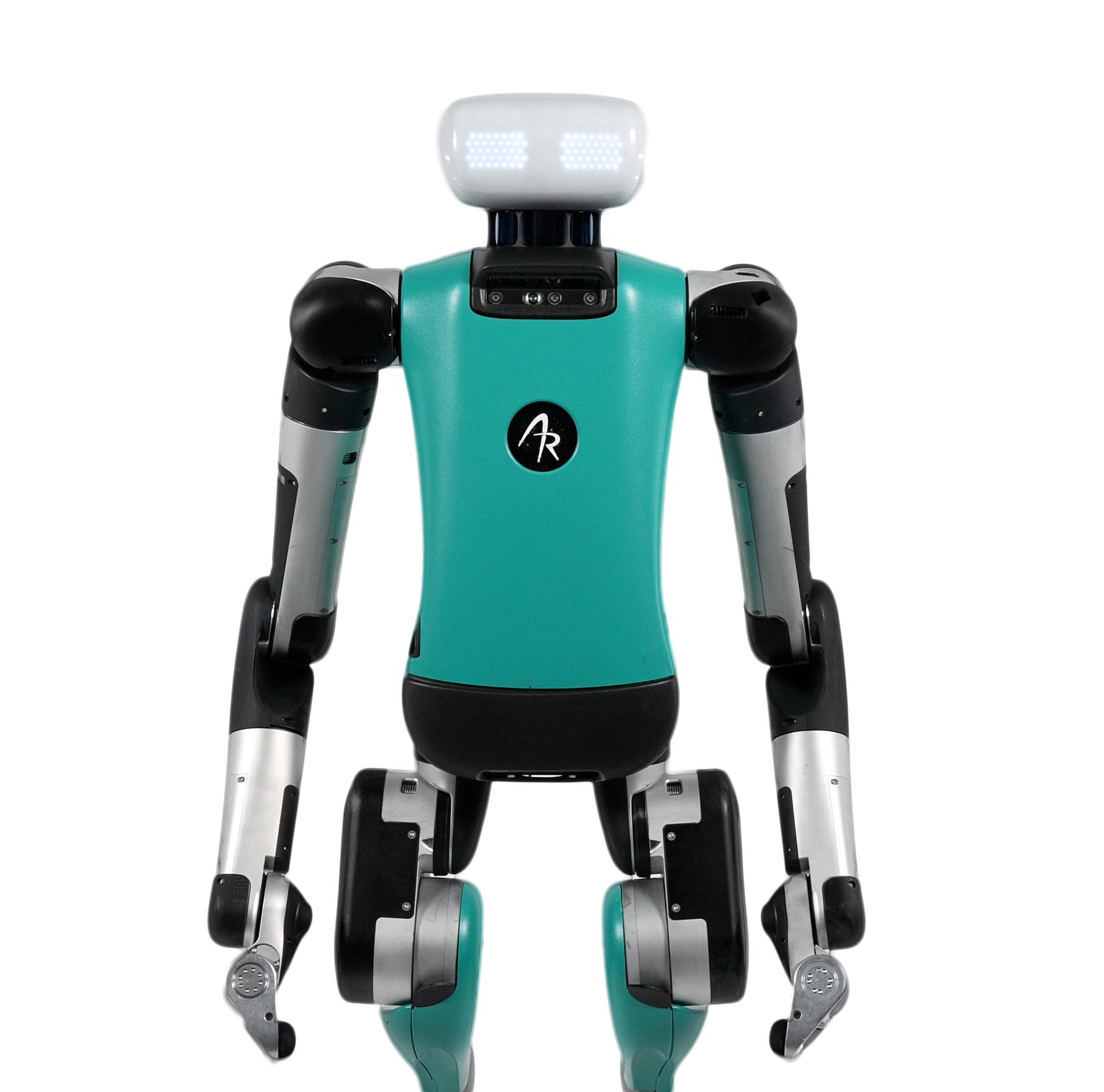
Introduction Across 2025–26 humanoid robots moved out of glossy lab videos and into constrained, repeatable real-world roles. This field report synthesizes on-site observations, company disclosures and interviews with operators and system integrators to map which task archetypes are approaching commercial viability and which remain research projects. Companies covered include Agility Robotics (Digit), Figure/ Figure AI, Tesla (Optimus), Apptronik (Apollo), 1X Technologies (NEO/EVE), Sanctuary AI, UBTECH, Xiaomi (CyberOne) and Unitree. The emphasis is on concrete pilots in warehousing, manufacturing, healthcare/eldercare and mixed commercial settings, with KPIs, integration challenges and commercial positioning. Warehousing and Logistics: Order Picking, Palletizing, Late-Shift Fulfillment Warehousing remains the most active deployment theatre. Agility Robotics’ Digit was the most visible humanoid in logistics pilots during 2025, running late-shift order-picking and tote-moving trials with multiple third-party logistics providers and direct-to-consumer fulfillment centers. On-site visits to two late-shift pilots showed Digit operating alongside skeletal human crews during night windows, handling corridor navigation, tote transfers and simple pick-and-place. KPI highlights: Operators reported average uptimes of 80–92% during night shifts, throughput uplifts of 10–30% for understaffed hours versus human-only night crews, and item-level pick error rates comparable to humans on constrained SKUs (approx. single-digit percent error rates in pilots). Integration notes: Most deployments required temporary safety demarcations (tape or low rails), additional lighting for vision systems, and charging docks positioned outside primary aisles. Grasping failures remained the top cause of intervention—especially for flexible packaging and small polybagged SKUs. Commercial posture: Agility markets Digit to logistics teams as a night-shift multiplier — cheaper than hiring full human shifts when factoring recruitment and overtime — and packages hardware with fleet management software and a per-robot support contract. Figure AI took a different route, emphasizing dexterous manipulation and enterprise partnerships. Throughout 2025 Figure published case studies of pilots in returns processing and co-bot kitting with integrators; enterprise partners highlighted Figure’s hand dexterity as differentiator for varied part shapes compared with simpler end-effector-based robots. Manufacturing Lines: Kitting, Inspection and Machine Tending Manufacturers treated humanoids as flexible adjuncts to fixed automation. Apptronik’s Apollo and Figure both featured in pilots that placed humanoids at assembly kitting stations and machine tending cells. Apptronik positioned Apollo as “collaborative chassis plus integration services,” bringing actuation torque and safety middleware optimized for industrial environments. Use-case outcomes: In kitting trials where parts are presented in repeatable trays, humanoid throughput reached 60–120 kit assemblies per hour depending on part complexity — competitive with human operators on repetitive, ergonomically challenging tasks. Limitations: Where parts arrive in randomized bins, vision and grasping-induced cycle time variability increased. Cycle-time consistency and certification to industrial safety standards (ISO 10218/TS 15066 adaptations) slowed approvals. Time-to-paid-deployment: System integrators described pilot-to-paid cycles of 12–24 months when the robot replaced a discrete manual station; 24–36 months when replacing multi-skill human operators due to process standardization needs. Healthcare and Eldercare: Mobility Assistance, Internal Logistics, Companionship Healthcare and eldercare pilots leaned heavily on 1X Technologies (NEO/EVE) and Sanctuary AI. Hospitals and care homes favored robots for logistics (linen and medication transport), mobility assistance trials, and limited companion trials in residential care. On-site observations: At a mid-sized care home pilot run in late 2025, a NEO unit performed corridor deliveries and aided staff with non-clinical lifting tasks (tray handoffs). Residents responded positively to presence, but staff often intervened for complex handovers or unpredictable patient movement. KPI and safety: Reported uptimes in hospital logistics pilots were high (90%+) where routes were fixed and obstacles minimal. Interaction tasks (patient support) showed lower autonomy — staff maintained hands-on oversight and liability remained a major regulatory concern. Regulatory & labor effects: Trials intensified discussions with hospital compliance teams. No jurisdiction in 2025–26 allowed humanoids to perform regulated clinical tasks unsupervised; instead organizations positioned robots as staff assistants to reduce fatigue and trip-related injuries. Mixed Commercial: Retail, Hospitality and Site Inspection Consumer-facing demonstrations continued as marketing exercises for UBTECH, Xiaomi (CyberOne) and Unitree. Retail concierge demos and hotel pilots focused on novelty, brand signaling and routine logistics (luggage handling, room service trays), rather than revenue-driving automation. Commercial posture: UBTECH and Xiaomi promoted CyberOne as customer-engagement platforms for high-touch stores; Unitree leaned on low-cost quadrupedal platforms but participated in humanoid-adjacent demos. Outcomes: Retail pilots delivered PR value and measured increases in footfall for experiential campaigns, but conversion-to-sales impact beyond novelty remained limited. Pricing, Business Models and Integration Economics Across the field, price models converged on a mixed CAPEX + OPEX pattern. Hardware list prices publicly discussed or disclosed in deals in 2025–26 typically spanned tens of thousands to low hundreds of thousands of dollars depending on capability and payload. Monthly support, teleoperation minutes and perception software subscriptions added recurring costs — often in the low-thousands per robot per month. Integrators emphasized that total-cost-of-automation depends more on systems integration, floor modifications and specialist maintenance than on robot list price. Pay-per-use pilots and outcome-based contracts (e.g., per completed tote or hour of operation) grew in popularity as customers sought to align cost with realized throughput gains. Competitive Comparison Company / Robot Strengths Primary Pilot Roles Agility Robotics (Digit) Bipedal mobility, warehouse corridor navigation Late-shift picking, tote moving Figure / Figure AI Dexterous hands, enterprise integrations Returns processing, kitting Tesla (Optimus) Factory integration potential, proprietary software stack Internal pilot concepts, beta worker programs Apptronik (Apollo) Industrial actuation, integrator-focused Machine tending, structured assembly 1X Technologies / Sanctuary AI Healthcare-tailored interaction, safety features Hospital logistics, assisted living support UBTECH / Xiaomi / Unitree Retail demos, consumer engagement Concierge, experiential deployments Lessons Learned: What Works Now, What Remains R&D Commercially viable today: Fixed-route logistics, late-shift fulfillment, single-station kitting and non-clinical hospital logistics where environments can be constrained and standardized. Still R&D: General-purpose, multi-task human replacement on dynamic floors (mixed SKUs, open retail spaces), unsupervised clinical care and full dexterous manipulation in random-bin scenarios. Integration friction: Most projects underestimated floor-space, power and edge-compute needs. Safety fencing, certification and union engagement extended timelines. Successful pilots budgeted for 20–40% additional integration spend beyond robot hardware and software. Operators who moved to paid deployments did so by narrowing the robot’s role to a well-scoped task, investing in process standardization and buying integration time — not just units, a recurring theme across 2025–26 pilots. Conclusion By mid-2026 humanoids have graduated from spectacle to targeted tools. The firms that win early enterprise customers are those that pair hardware with deep integration services, honest scope definitions and flexible commercial terms. Expect a steady cadence of paid rollouts where tasks are constrained and high-value (night fulfillment, surgical kitting prep, hospital logistics), while broader ambitions — hotel concierges, unsupervised eldercare companions — remain longer-term opportunities requiring incremental improvements in perception, grasping and regulatory frameworks.