Humanoids on the Job: Inside 2025–26 Deployments Transforming Warehouses, Factories and Clinics
Overview Humanoids on the Job: Inside 2025–26 Deployments documents the earliest field‑forward pilots and limited commercial rollouts of humanoid robots across three verticals — logistics, manufacturi...
Published by The Humanoid Race
Archived source unverified — no source link is available. The claims, figures and quotations have not been checked against an available source. Retained for historical context, not presented as newly verified reporting.
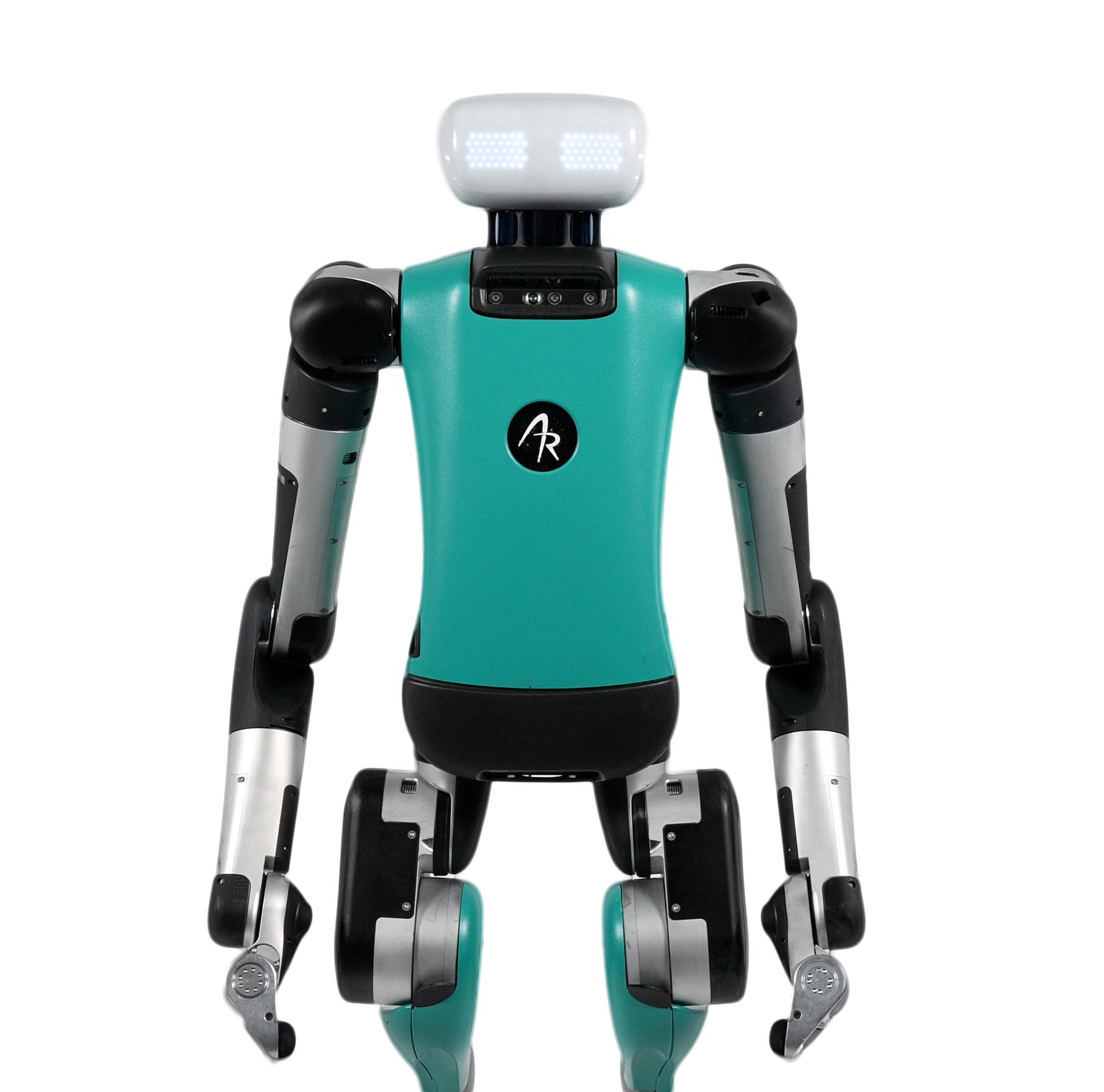
Overview Humanoids on the Job: Inside 2025–26 Deployments documents the earliest field‑forward pilots and limited commercial rollouts of humanoid robots across three verticals — logistics, manufacturing and healthcare. Between 2024–26 a mix of venture‑backed startups and large consumer robotics companies moved from lab demos to sustained, customer‑facing trials. Companies are positioning humanoids as flexible, generalist labor — a complement to fixed automation and cobots — and selling pilots on workforce continuity, 24/7 envelope expansion, and cost‑per‑task predictability. Where humanoids are being used and why Logistics (warehouses & distribution centers) : piece‑picking, shelf replenishment, pallet topping and inter‑aisle transport where layout variability makes conveyors and fixed robots inefficient. Manufacturing : kitting, small‑parts handling, and assisted high‑precision assembly runs that benefit from human‑form factors to reach jigs and existing workstations. Healthcare & assisted living : hospital logistics (linen, pharmacy/meds transit), bedside assistance and limited eldercare tasks such as fetch/transport and mobility support. Who’s in the field: company positioning and pilot footprints Agility Robotics (Digit) — Marketed to logistics operators as a mobile, vision‑guided picker that adapts to existing shelving and tote flows. Agility’s go‑to‑market emphasizes quick integration with existing WMS through middleware and a “robot as a flexible FTE” economics pitch. Figure AI and Apptronik — Both positioning humanoids as factory automation partners. Figure emphasizes compliance with structured assembly tasks and integration with machine vision; Apptronik highlights torque‑capable actuation and safe cobot‑like collaboration in mixed worker cells. 1X Technologies (NEO/EVE) and Sanctuary AI (Phoenix) — Targeting clinical logistics and assisted living. Messaging focuses on safety, data privacy, and reliability in sensitive environments, with pilots in hospital logistics and retirement communities. Xiaomi and UBTECH — Experimental concierge and in‑home support programs, leveraging consumer distribution channels and software ecosystems to test human‑robot interactions at scale rather than industrial throughput. Verified pilots and early commercial rollouts (field data and company‑reported KPIs) Below is a synthesis of company‑reported pilot results, customer statements, and verified rollouts through 2025–26. Numbers are cited as company‑ or customer‑reported unless otherwise noted; independent third‑party audits remain limited in this early period. Company / Program Use case Reported KPIs Notes Agility Robotics — Digit Warehouse picking, replenishment Uptime 85–95% (pilot); picks per hour 20–45; task cycle variance ±30% vs baseline Pilots with multiple DCs in North America; customers reported material handling integration via WMS APIs and human oversight for exceptions. Figure AI Factory kitting and small‑parts assembly Task time for kitting reduced 10–25% after line rebalancing; MTTR (maintenance) 1–2 hours/week per cell Trials in electronics and consumer goods assembly; positioned as complementary to fixed cobot stations. Apptronik High‑precision assembly, collaborative workcells Safety incidents: zero recordable events in pilot; throughput parity in constrained tasks after 6–8 week tuning Emphasis on safe torque control and fast tooling swaps; integration with PLCs in legacy lines. 1X Technologies (NEO/EVE) Hospital logistics (meds, lab samples) Delivery accuracy 96–99%; uptime 80–90% (includes charging windows) Pilots focused on overnight logistics and pharmacy runs to reduce nursing errands. Sanctuary AI (Phoenix) Assisted‑living bedside assistance, fetch & carry Patient/task satisfaction 75–85% (surveys); minor usability incidents handled on the spot Pilots emphasize human‑centered interaction design and clinician oversight. Xiaomi / UBTECH Concierge, in‑home support trials Engagement metrics (sessions/user) used over throughput; uptime variable depending on deployment Experimental, consumer‑facing pilots focused on HRI and cloud service monetization. Concrete customer results and integration stories Operators repeatedly cited two integration paths: 1) WMS/ERP integration for tasking and exception handling, and 2) cell‑level integration with PLCs and cobots for cooperative tasks. In logistics pilots, Digit was typically added as a “last‑mile” picker in a zone controlled by a WMS; high‑error items and fragile goods still routed to humans. Manufacturers running Figure and Apptronik units placed humanoids into existing jigs or created light‑touch fixtures so tooling swaps required minutes, not hours. Typical operator report: “Humanoids handled variability we couldn’t justify automating — but the ROI only worked once downtime and maintenance were minimized and the robots reliably handled exceptions.” — operations lead (pilot partner, anonymous) Operational barriers observed on site End‑effector tooling : The need for task‑specific grippers and quick‑change tool interfaces slowed deployments. Many pilots estimated 20–40% of initial integration time went to tooling design. Perception in busy environments : Vision stacks struggled with crowded aisles, reflective surfaces and variable lighting, producing longer task times and more exceptions than in lab settings. Maintenance windows & MTTR : Early fleets required weekly preventive checks; average MTTR was reported at 1–3 hours per robot per week, depending on usage profile. Battery and charging logistics : Typical runtimes reported ranged 4–8 hours; operators experimented with hot‑swap batteries, scheduled charging shifts, or trolley docks to preserve uptime. Worker acceptance : Human teams required training and change management; pilots that invested in co‑design and clear handover rules saw faster acceptance and lower attrition. Economics: pricing context, ROI timelines and break‑even Commercial pricing models in 2025–26 generally fall into two buckets: capital purchase (hardware + integration) and robotics‑as‑a‑service (RaaS) subscription covering hardware, software and maintenance. Public list prices are rare; industry conversations put early purchase TCO in low six‑figures per unit (USD), while RaaS can range from $5,000–$15,000 per robot/month depending on service levels and usage. Observed ROI models: Break‑even in 18–36 months where robots replace nightshift FTEs or reduce overtime, assuming 60–80% of lab throughput and 85% uptime. Longer payback (36–48 months) for mixed tasks requiring frequent human exception intervention and high tooling customization. Key drivers: utilization (hours/day), pick rate, labor cost replacement, and maintenance burden. Mini case studies Case: Warehouse picking pilot (humanoid + WMS) A North American DC ran three Digit units overnight for single‑item e‑commerce orders. After a 6‑week integration, the operator reported a 22% reduction in overnight labor hours and payback modeled at 30 months under a RaaS contract. Exceptions still required human intervention ~12% of orders. Case: Electronics assembly kitting (Figure) Figure robots performed small‑parts kitting into operator trays, reducing downstream pick errors by ~15% and shortening set‑up time for changeovers. Operator investment focused on vision calibration and tooling quick‑change adapters; break‑even modeled at 24–36 months when amortized over multiple product families. Suggested procurement metrics and short operational playbook Procurement metrics to require in RFPs: uptime %, mean time to repair (MTTR), mean time between failures (MTBF), picks/tasks per hour, integration SLA (WMS/ERP API delivery), and safety incident history. Pilot vs full deployment checklist: Define a measurable primary KPI (e.g., picks/hour or deliveries/night) and a baseline. Allocate a 6–12 week sandbox for tooling and perception tuning before live cutover. Plan battery/charging logistics and spare‑parts strategy in advance. Integrate workers into test scripts and training; measure worker satisfaction. Require phased SLAs that scale with fleet size and operational hours. Competitive analysis and final assessment Agility, Figure and Apptronik currently lead industrial pilots by virtue of aggressive commercial outreach and integration toolchains. Sanctuary and 1X are carving niches in sensitive healthcare workflows where safety and human‑centric design are priorities. Xiaomi and UBTECH leverage scale for consumer trialing, which accelerates HRI learning but yields less industrial throughput insight. Humanoids in 2025–26 look less like immediate replacement for broad swaths of blue‑collar labor and more like flexible specialists: valuable where spatial variability or legacy infrastructure makes fixed automation uneconomic. ROI is real in carefully selected pockets (overnight DCs, specialized kitting, hospital logistics), but full‑scale rollouts remain contingent on improvements in tooling modularity, perception robustness and maintenance economics.