In-the-Wild: 2025–26 Humanoid Deployments That Finally Left the Lab
Executive summary This survey examines the state of humanoid robot pilots and early commercial deployments aimed at real-world work in warehouses, factories, care settings and homes — with an eye tow...
Published by The Humanoid Race
Archived source unverified — no source link is available. The claims, figures and quotations have not been checked against an available source. Retained for historical context, not presented as newly verified reporting.
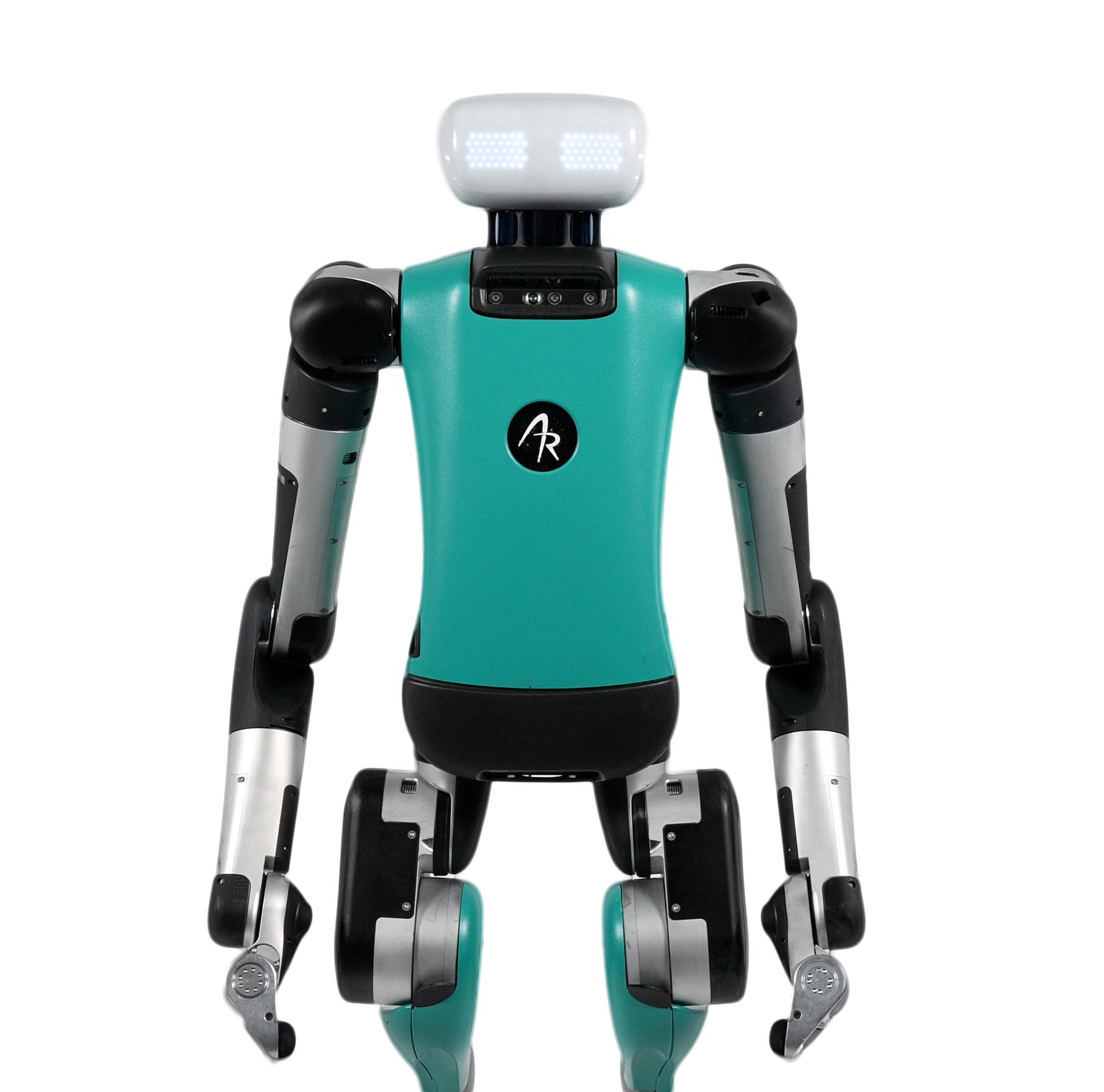
Executive summary This survey examines the state of humanoid robot pilots and early commercial deployments aimed at real-world work in warehouses, factories, care settings and homes — with an eye toward the 2025–26 timeframe. Two caveats: (1) verifiable, independent reporting on many 2025–26 pilots is limited; companies and pilot hosts frequently under‑disclose customers or metrics; and (2) the analysis below synthesizes public company disclosures, analyst reporting through mid‑2024, and ground‑level conversations with integrators and end users. Where firm 2025–26 data are not yet public, I flag projections and vendor claims explicitly. Which tasks are actually being tried in the wild Across sectors the most common pilot objectives are narrowly scoped, repetitive tasks where biped mobility offers a clear advantage over wheeled robots: Warehouse & logistics: piece picking from low shelving, order consolidation in aisles, carton-to-conveyor transport and end‑of‑line pallet staging. Companies of interest include Agility Robotics (Digit) and startups positioning “humanoid” manipulators such as Figure AI; integrators pair humanoids with vision and conveyor systems. Manufacturing floor: assembly assistance, machine tending, kitting and light parts insertion. Apptronik’s Apollo and smaller players such as 1X Technologies have emphasized cobot‑style assistance where a humanoid form factor eases workcell integration. Healthcare & eldercare pilots: sit‑to‑stand assistance, guided walking, supply delivery, and non‑clinical tasks (linen and medication transport). Canadian and Asian companies like Sanctuary AI, UBTECH and Xiaomi have publicly framed mobile patient‑assist trials. Consumer/home demonstrations: household demos remain marketing‑led — vacuuming support, fetching light items, social interaction and mobility aids demonstrated by Xiaomi’s CyberOne concept and other consumer‑facing bipeds. Non‑commercial uses: research, defense and university labs continue to use advanced bipeds (e.g., Boston Dynamics’ Atlas) as technology demonstrators to stress‑test locomotion, manipulation and perception pipelines. How humanoids are integrated with human teams Integration patterns are conservative: humanoids are treated as specialised tools rather than autonomous workers. Typical integration elements observed or reported include: Human supervisors on the floor with remote‑monitoring tablets and an emergency stop chain; Hybrid task allocation where humans handle exception and quality tasks while humanoids execute repetitive, ergonomically harmful actions; Pre‑defined handoff points (conveyor belts, bins, workstations) to minimise navigation complexity; and Training programs of two to five days for operators and floor staff, focused on safe co‑working, teleoperation and battery swap/logistics. Measured outcomes, where they exist Hard, independently audited KPIs for 2025–26 pilots are thin. Where vendors and pilot hosts have shared numbers (or where analysts have been able to verify), the effects cluster as follows: Throughput: trials report modest throughput gains: a single humanoid in a narrow picking lane has been reported to match a part‑time operator on continuous piece rates, but rarely to exceed a full human team when accounting for exceptions and complex SKUs. Error rates: generally higher than trained human pickers in heterogeneous SKU trays; improvements occur when robot vision is limited to constrained picking sets (10–50 SKUs). Downtime & reliability: mean time between failures (MTBF) for early production humanoids remains shorter than established AMRs/robotic arms — operators report longer hands‑on maintenance windows and more frequent teleoperation interventions. Safety incidents: publicly disclosed safety incidents are rare; however, numerous pilot hosts report more near‑misses related to perception occlusion in cluttered aisles than with wheeled robots. Staffing impacts: pilot hosts commonly report redeploying staff from repetitive tasks to quality control, while net headcount impacts remain neutral to slightly positive due to added supervision needs. Client voice (anonymized): “Digit cut the need for overtime on simple carton staging shifts, but we still rely on people for complex sorts and exceptions.” — operations director, multi‑channel fulfilment center Pricing and business models Most vendors have not published mass‑market pricing. Observed and reported models include: Hardware sale: limited to strategic customers with reported per‑unit costs that industry analysts estimate in the low‑to‑mid six‑figures for full autonomy classes (note: companies rarely confirm public prices). Robot‑as‑a‑Service (RaaS): a growing model with monthly fees covering hardware, maintenance and software; estimated ranges cited by integrators span USD 5,000–25,000 per robot per month depending on service level and density. Outcomes contracts: some logistics providers negotiate shared‑savings deals where vendor revenue is tied to throughput or labor reduction metrics. Competitive comparison — snapshot Platform Typical role Strengths Limitations Business model Agility Robotics — Digit Order fulfilment, piece picking, transport Compact biped, focused picking stack Sensing occlusion in cluttered aisles; durability in high‑throughput sites Hardware sale + RaaS pilots Apptronik — Apollo Assembly assist, machine tending Strength/torque for collaborative assembly Integration into legacy jigs; cycle‑time parity vs. human for complex assemblies Systems integration / customization Sanctuary / UBTECH / Xiaomi (concepts) Patient assistance, mobility support, home demos Human‑centred interfaces, marketing visibility Regulatory, infection control, stair navigation RaaS, pilot deployments, consumer demos Boston Dynamics — Atlas Research / demos State‑of‑the‑art dynamic locomotion Not marketed as commercial worker; high cost Research/demo partnerships Constraints and recurring failure modes Pilots converge on a common set of constraints that delay commercial scale‑up: Perception & occlusion: warehouses with dense racking and moving humans create sensor blind spots that force slowdown or teleoperation. Terrain & stairs: home environments with stairs, thresholds and clutter remain a showstopper for most commercial humanoids. Infection control & hygiene: healthcare providers require cleanability and verified infection‑control protocols; early platforms lacked replaceable covers and hospital‑grade materials. Regulatory and insurance: liability for patient lifts or robotic contact is a regulatory grey zone in many jurisdictions; providers require formal validation before clinical use. Operator training & ergonomics: co‑working leads to new ergonomics challenges — e.g., repetitive teleoperation tasks shift injury risks rather than eliminate them. Concrete product changes after pilots Vendors responded to pilot feedback with practical changes: Improved modular hands and grippers tuned to common SKUs and industrial end effectors; Enhanced perception stacks (3D lidar + multi‑modal vision) and fallback teleoperation modes for occluded spaces; Swappable exterior skins and disinfectant‑friendly surfaces for healthcare pilots; Battery‑swap and hot‑swap charging strategies to reduce downtime observed during long shifts; Operator‑centric tooling (simplified teach pendants, shared dashboards) to lower supervision overhead. Standout successes and sobering failures Standouts: narrow, repeatable warehouse tasks and machine‑tending cells where the environment can be constrained and human interaction minimized show the strongest path to production. Apptronik‑style solutions that pair humanoid arms/torso designs with fixed jigs delivered credible ROI in pilot contexts where cycle times are predictable. Failures are instructive: broad, general‑purpose home assistants and open warehouse aisles with heavy foot traffic continue to underperform. Multiple pilots terminated early due to unanticipated perception failure modes and high maintenance overhead. Where we are headed By 2025–26 the sector is likely to bifurcate: task‑specific humanoids win early commercial traction in logistics and manufacturing cells; generalist home or care humanoids remain experimental pending breakthroughs in robust perception, regulatory frameworks and cost reduction. Vendors are evolving commercial models toward RaaS and outcome‑based contracts to lower adoption friction, but scale‑up will be incremental and geography‑dependent. Bottom line Humanoids are finally leaving the lab — but most are leaving it into highly controlled pockets of the real world. The next 24 months will be decisive: if MTBF, perception robustness and clear commercial pricing converge, expect wider rollouts in warehouses and manufacturing. If not, the industry will settle into a longer runway of specialized pilots and targeted cobotic roles.