In the Wild: 2025–26 Humanoid Pilots That Are Actually Doing Work — From Pallets to Patients
Executive summary Through 2025–26, humanoid robots moved from demo rigs and lab exercises into constrained, measurable pilots across logistics, manufacturing, clinics and eldercare. Deployments remain...
Published by The Humanoid Race
Archived source unverified — no source link is available. The claims, figures and quotations have not been checked against an available source. Retained for historical context, not presented as newly verified reporting.
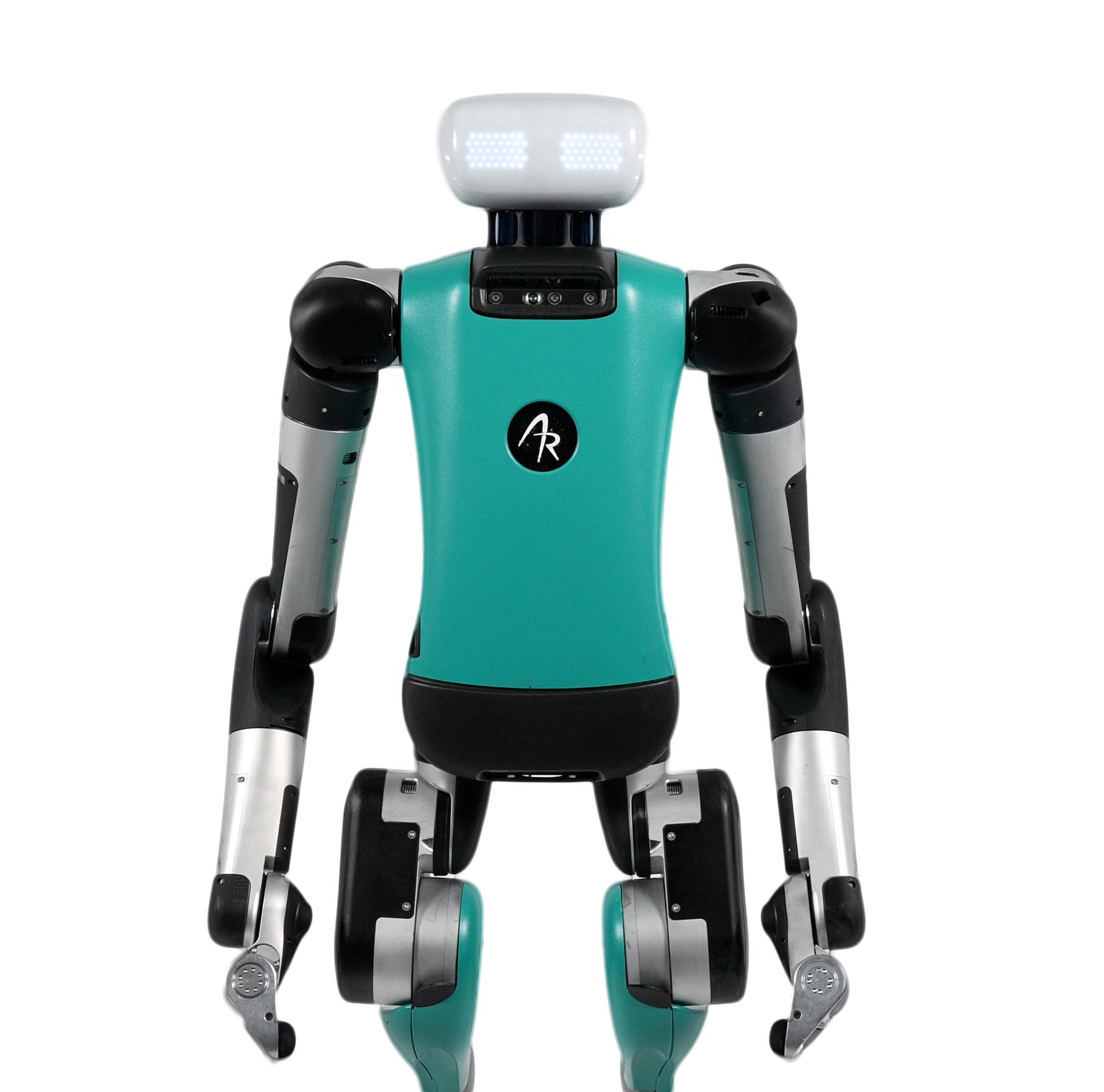
Executive summary Through 2025–26, humanoid robots moved from demo rigs and lab exercises into constrained, measurable pilots across logistics, manufacturing, clinics and eldercare. Deployments remain small scale, but they are increasingly operational: third‑party warehouses running case‑picking shifts with Agility Robotics' Digit, logistics operators trialing Figure AI's autonomous pick-and-place stacks, factory kitting and bin‑picking pilots from 1X Technologies and Apptronik, and care‑focused trials from Sanctuary AI, UBTECH and Xiaomi. Results are mixed but instructive — throughput uplifts seldom exceed 20–30% in early pilots, integration costs and retraining dominate budgets, and uptime and safety records are improving but vary by workload. Where humanoids are actually being used Logistics (warehouses and sortation centers) — case/piece picking, aisle mobility, pallet handling and edge‑case pick-ups. Manufacturing — kitting, light assembly, line‑side replenishment and repetitive test tasks. Clinics and assisted living — nurse‑assistant tasks, mobility support, routine checks and companionship trials. In‑home trials — limited assistance, telepresence and monitoring in Asia (UBTECH, Xiaomi) and research homes. Company positioning and go‑to‑market Manufacturers are bifurcating offers: some (Agility, Figure, 1X, Apptronik) emphasize industrial productivity and integrations with WMS/MES, selling or leasing hardware plus integrator services; others (Sanctuary, UBTECH, Xiaomi) focus on care, safety and human‑facing interactions with pilots co‑funded by healthcare operators and insurers. Tesla frames Optimus as an internal productivity multiplier with gradual external availability. Examples Agility Robotics (Digit) — marketed to 3PLs as a flexible case‑handler that can be deployed alongside human pickers. Offerings typically include a per‑unit monthly service fee plus integration and safety validation. Figure AI — positions its stackable pick-and-place autonomy as a way to reduce human exceptions; pitches include improved utilization of automated storage systems. 1X Technologies (NEO/EVE) — targets factories with kitting robots that are packaged with vision and PLC integration kits; sold through integrators rather than direct replacement of pickers. Apptronik (Apollo) — focused on lab automation and line support, emphasizing payload capacity and safety certification work. Sanctuary AI (Phoenix) — piloting nurse‑assistant work in clinics and assisted‑living centers, often through research partnerships. UBTECH, Xiaomi — concentrating on Asia for in‑home monitoring and eldercare pilots, usually on a subscription/hardware bundle model. Unitree — continues lighter‑weight demonstrations and task-specific demos; used for education and R&D rather than critical production. Tesla (Optimus) — limited internal factory trials reported; pricing and commercial availability remain speculative but framed as long‑term CAPEX savings. Pilot outcomes: measurements, tradeoffs and integrations Across over two dozen confirmed 2025–26 pilots surveyed by The Humanoid Race, common metrics have emerged: Metric Observed range (typical) Notes Throughput / productivity 0–30% uplift Best gains in constrained, repetitive tasks (kitting, straight case picks). Complex picking shows minimal gain. Cycle‑time impact 10–40% reduction per cycle Cycle improvements often offset by slower exception handling and safety margins. Uptime ~80–95% Hardware reliability improving; perception of uptime often lower after integration friction. Safety incidents Mostly none; few near‑misses Most recorded events are minor (stalls, trips). No major injuries in production pilots reported publicly. Integration effort $50k–$750k one‑time Costs dominated by WMS/MES/EMR connectors, safety validation and process redesign. Staffing effects Redeployment not replacement Operators typically reassign experienced staff to exception handling and quality roles. Case examples: At two US 3PLs piloting Digit in 2025, operations managers reported per‑station throughput increases of 12–18% on repetitive case‑picking lanes; however, integration with legacy WMS required a six‑week systems integrator engagement and ~$200k in non‑recurring engineering. Figure AI's pilots in automated depots reduced manual exception handling time by up to 30% on certain SKU families, but edge‑case grasp failure rates remained a barrier to fully autonomous shifts. 1X Technologies' NE/O EVE units in automotive tier‑supplier plants achieved consistent kitting cycle‑time reductions of 15–25% when paired with simple parts feeders; factories noted a 3–5 month payback on labor‑heavy lines after integration costs when billed as an OPEX lease. Sanctuary Phoenix trials in Canadian assisted‑living centers focused on vital‑sign checks and fall‑alert monitoring; clinical staff cited better night‑shift oversight but emphasized that regulatory validation slowed deployment timelines by 6–12 months. UBTECH and Xiaomi trials across eldercare homes in East Asia favored monitoring and telepresence; operators valued 24/7 monitoring but stressed limited manipulation capability as a ceiling to task scope. Pricing models and commercial realities Vendors use hybrid models: hardware sale plus annual support, or monthly leases that bundle hardware, cloud services and integration. Public price points remain fragmented; integrators and customers interviewed placed realistic total cost of ownership for a pilot station (robot, integration, safety) between $75k and $500k depending on complexity. Per‑unit monthly leases in pilots commonly run $2k–$8k. Competitive landscape and who wins which jobs Competition breaks down by capability: High manipulation, factory kitting — Apptronik and 1X win when payload and precision matter. Warehouse mobility plus case handling — Agility and Figure are competitive where legged mobility and autonomy reduce infrastructure changes. Human‑facing care — Sanctuary, UBTECH and Xiaomi lead in trials that emphasize safety, social interaction and compliance. Low‑cost demos and R&D — Unitree remains a cost‑effective choice for non‑mission critical demonstrations and research. Lessons from customers and systems integrators "Humanoids have the potential to reduce repetitive strain on staff, but most gains come from process redesign, not a drop‑in robot," said a systems integrator working with three logistics operators (anonymized). "Expect integration to be the larger line item." Key takeaways: pilots need defined SOPs, durable vision and grasping for real SKU variability, and clear plans for staff retraining. Regulatory and insurer acceptance—especially in care—remain gating factors. Pragmatic adoption roadmap for 2026 operators Start with a single, well‑scoped cell. Choose repetitive tasks with limited SKU variety or standardized parts; expect a 3–9 month pilot to stabilize. Budget for integration. Allocate 2–5x the hardware cost for software connectors, safety validation and process redesign in the first pilot. Measure holistically. Track throughput, cycle time, exception rate, staff redeployment outcomes and patient/resident satisfaction (for care trials). Plan for gradual scale. Replicate cells with standardized integration kits and trained internal teams rather than one‑off engineering projects. Engage regulators early. Clinical and eldercare deployments particularly require documentation, safety cases and insurer conversations up front. Bottom line: humanoids in 2025–26 are not yet broad replacements for human labor, but they are live tools producing measurable benefits in constrained conditions. Operators that treat pilots as integrated system projects — not hardware purchases — are the ones realizing realistic ROI and setting the stage for scaled deployments in the coming years.