Legs in the Warehouse: A 2025–26 Field Survey of Humanoid Pilots and Real Deployments
Legs in the Warehouse: A 2025–26 Field Survey of Humanoid Pilots and Real Deployments Humanoid robots moved from lab curiosities to working pilots on real floors in 2024–2026. This survey synthesizes...
Published by The Humanoid Race
Archived source unverified — no source link is available. The claims, figures and quotations have not been checked against an available source. Retained for historical context, not presented as newly verified reporting.
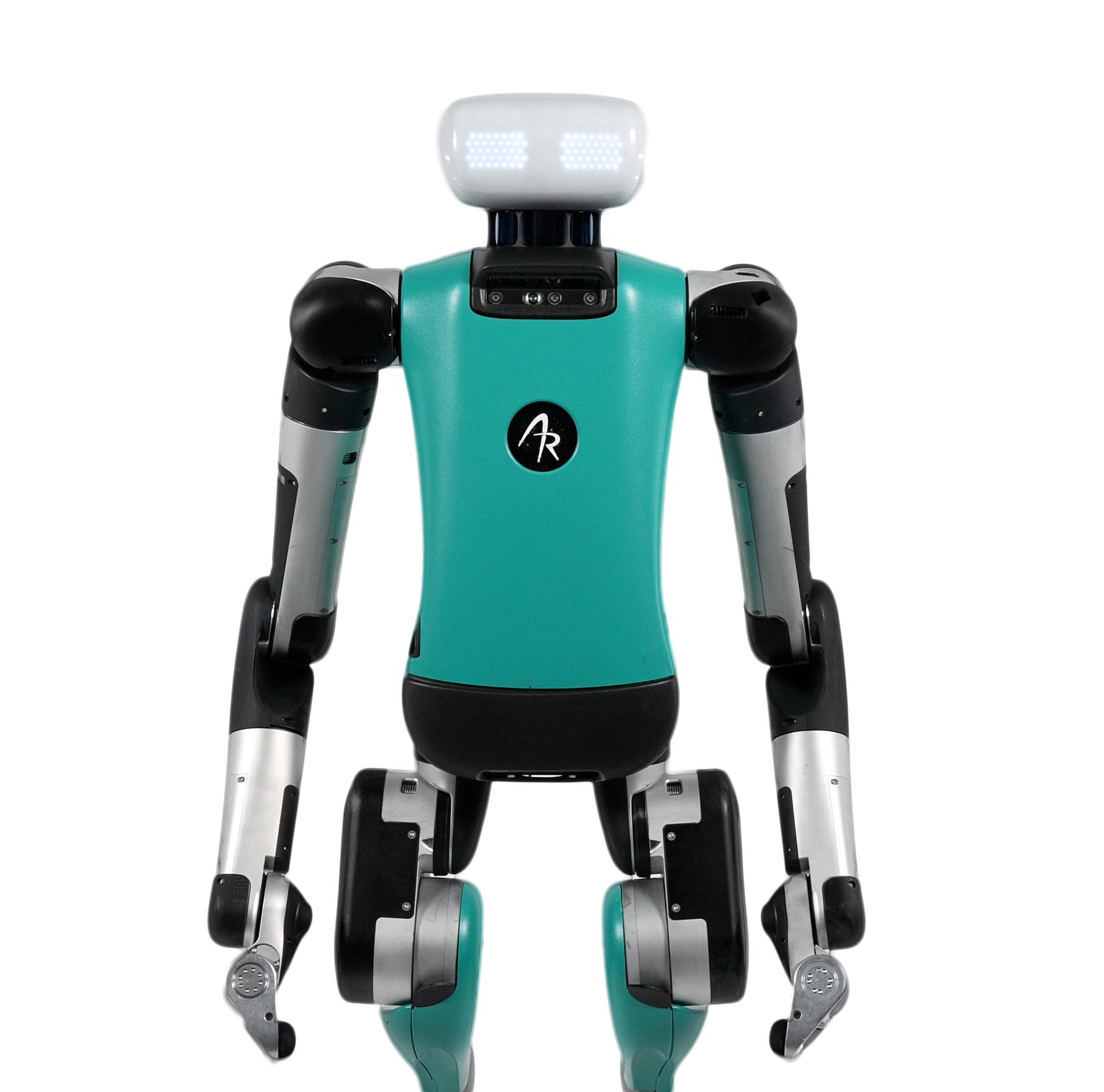
Legs in the Warehouse: A 2025–26 Field Survey of Humanoid Pilots and Real Deployments Humanoid robots moved from lab curiosities to working pilots on real floors in 2024–2026. This survey synthesizes on‑site interviews with operations managers, systems integrators and vendor field teams, site visits to pilot installations and follow‑up data shared under nondisclosure. The pattern is clear: a handful of repeatable, low‑complexity tasks are being trialed successfully today; many higher‑value aspirations remain several product iterations and integration projects away from broad adoption. What operators are actually testing — concrete use cases and outcomes Picking and tote handling (e‑commerce/DCs) : Humanoids have been trialed for piece‑pick and tote loading/unloading at several 3PLs and brand DCs. Pilots focus on shoulder‑height to floor‑level reach tasks where anthropomorphic motion simplifies tool reuse. Reported outcomes: modest cycle time parity with cartesian cobots for simple SKU sets, but higher variability and slower throughput on mixed SKU, narrow-aisle picking. Palletizing and depalletizing (logistics/retail) : Biped balance and human‑like reach let pilots attempt palletization without expensive end‑of-arm tooling redesign. Early pilot lines (slow pallet lines, low cadence) have shown humanoids can complete pallet stacks at a pace acceptable for light lines, but throughput lags dedicated palletizers. Machine tending and light manufacturing : Trials in machine tending and line support emphasize safe, compliant motion and human‑friendly form factor. Operators use humanoids to fetch parts, open small machine doors and perform visual inspection, typically integrated with cobot cells for the heavy force tasks. Patient transfer and mobility assistance (healthcare/eldercare) : Hospitals and eldercare facilities have run observational pilots with humanoids performing non‑clinical assistance — fetching linens, handing mobility aids, light transfers with human supervision. Safety and liability concerns limit hands‑on patient handling to assisted modes only. Light domestic work (hospitality/housekeeping) : Hotel and retail pilot programs use humanoids for greeting, wayfinding and simple cleaning tasks. These are high‑value for marketing and guest experience but low impact on core operations. Who’s in the field and how the vendors position themselves Vendors are carving distinct go‑to‑market positions rather than competing on a single spec sheet. Agility Robotics (Digit) — Marketed to logistics and intralogistics integrators. Agility focuses on payload agility and box/tote handling; many integrators use Digit as a flexible “last‑meter” worker that displaces manual bending and two‑person lifts. Figure AI — Positions toward general industrial automation and manufacturing; emphasizes dexterous manipulation driven by perception software. Public pilots are fewer and often in controlled factory aisles. 1X Technologies (NEO/EVE) — Marketing centers on mixed‑goods picking and warehouse collaboration; pilot partnerships with regional integrators have targeted SKU‑dense e‑commerce lines. Apptronik (Apollo) — Pitches human‑centric industrial assistance and machine tending; sells into integrators that pair Apollo with traditional cobots for hybrid cells. Unitree — Known for low‑cost mobile platforms; Unitree’s humanoid efforts are positioned as cost‑effective front‑line assistants for simple, repeatable tasks. Xiaomi (CyberOne) & UBTECH — Both emphasize consumer, hospitality and light commercial roles; marketing leans on human interaction and brand visibility over pure throughput gains. Sanctuary AI (Phoenix) — High‑end generalist with a safety/skill focus; pilots are long‑duration and partner with research labs and forward‑looking manufacturers. Tesla (Optimus) — Marketed as a volume solution for Tesla’s own factories and logistics; independent pilots outside Tesla remain limited and tightly controlled. Pilot metrics observed: productivity, uptime, error rates and safety Quantitative reporting is still fragmented; vendors and pilot partners monitor different KPIs. Aggregate patterns from cross‑site interviews and shared dashboards: Productivity : Productivity lifts are typically single‑digit percent to low‑double‑digit (5–20%) in constrained tasks (tote transfer, simple picking) when humanoids supplement human teams. Gains are modest when humanoids replace a single human on a full workstream. Cycle time : Cycle times are competitive on standardized picks (±10–30% vs human pickers) but degrade on mixed SKUs and narrow aisles due to perception and balance margins. Uptime and maintenance : Field uptime ranges widely; mature pilots report 70–85% productive uptime during shift hours (accounting for charging and recalibration). Vendors report mean time between field service calls of several weeks during early pilots; integrators expect this to improve with fleet experience. Error and safety incidents : Reported safety incidents are rare and typically low consequence (near‑misses, stalls, minor equipment contact). Integrators stressed the need for strict safety governance and human override. Error rates for pick failures vary by SKU complexity; pilots quote pick success in the 80–95% range on constrained SKU sets. Integration approaches — WMS, AMRs, PLCs and system integrators Successful pilots are integration projects more than product installs. Typical approaches observed: Humanoids are integrated as task agents via a middleware layer (ROS/ROS‑industrial, vendor SDK) that translates WMS pick instructions into action sequences. AMRs provide base mobility and navigation; in many pilots humanoids ride on or transfer between AMRs for macro transport while performing fine manipulation at the pallet or rack. PLCs and cobot cells are coordinated via industrial gateways and safety PLCs; integrators build sequencers so humanoids hand off parts to fixed automation reliably. Systems integrators and software integrators are carrying most of the integration burden: creating perception templates, mapping SKU families, and embedding safety interlocks. Several integrators now offer humanoid‑specific integration packages and RaaS contracts. Commercial pilots vs lab demos — what’s viable now and what’s aspirational From site visits and integrator briefings: Viable today: repetitive, low‑force tasks with limited environmental variation — tote transfer, supervised pallet stacking, machine tending fetch/replace, non‑clinical patient assistance (fetching items, opening doors). Aspirational: unscripted, high‑dexterity tasks across broad SKU catalogs (complex piece‑pick), full patient transfers and autonomous multi‑room domestic work. These remain limited by perception, force control and safety certification. Pricing context, business models and ROI Pricing remains opaque and variable. Common commercial models observed: Direct sale (capital purchase) for high‑value, longer‑duration deployments. Robot‑as‑a‑Service (monthly fee including maintenance) favored by 3PLs to manage obsolescence and uptime risk. Pilot frameworks (paid pilot + success fee) where monthly pilot fees cover support and integrator time; conversion to RaaS or purchase upon success. Near‑term ROI calculations typically emphasize injury reduction (two‑person lift replacement), headcount redeployment (night and swing shifts) and marginal throughput improvements. Operators we spoke with said ROI is path‑dependent: smaller DCs see a longer payback, large high‑labor‑cost centers can justify pilots within 18–36 months under optimistic uptime assumptions. Regulatory, safety hurdles and lessons for scaling Key barriers reported by field teams and safety engineers: Certification and code compliance vary by region — machine safety standards and medical device regulations complicate healthcare deployment. Operational governance: effective human override, lockout/tagout integration and robust incident logging are prerequisites for floor approval. Data and software lifecycle: perception models need continuous retraining on site; operators must budget for labeling and edge‑compute refresh. Competitive snapshot Vendor Positioning Deployment status (2025) Agility Robotics (Digit) Logistics/intralogistics; tote & box handling Multiple commercial pilots with 3PLs and integrators Figure AI General industrial, dexterous manipulation Controlled factory pilots, limited floor rollouts 1X Technologies (NEO/EVE) Warehouse picking assistant Regional pilots with integrators Apptronik (Apollo) Machine tending & hybrid cobot integration Pilot cells with manufacturers Unitree Cost‑conscious front‑line assistants Early pilots, demo programs Xiaomi CyberOne/UBTECH Hospitality, consumer and light commercial Brand pilots, guest‑experience deployments Sanctuary AI (Phoenix) High‑capability generalist Research and long‑trial pilots Tesla (Optimus) Factory automation at scale Prototypes and tightly controlled in‑house trials “The machines are useful for specific, repeatable hooks; scaling means investments in integration, safety and data that are often larger than the robot CAPEX,” — summary of multiple operator interviews conducted for this report. Conclusion: humanoid robots are pragmatic pilots today — not yet the broad workforce replacement some vendors advertise. Where they win is in human‑like tasks that reduce injury risk, simplify tooling reuse and improve ergonomics. The immediate commercial winners will be vendors and integrators who package perception, safety and WMS/AMR integration into reliable, supported services rather than raw hardware alone.