Legs on the Line: A 2025–26 Field Report on Humanoids Actually Doing Work in Warehouses, Factories and Care Homes
Legs on the Line: A 2025–26 Field Report on Humanoids Actually Doing Work in Warehouses, Factories and Care Homes This report catalogs on-site observations, press-released pilots, and vendor-claimed...
Published by The Humanoid Race
Archived source unverified — no source link is available. The claims, figures and quotations have not been checked against an available source. Retained for historical context, not presented as newly verified reporting.
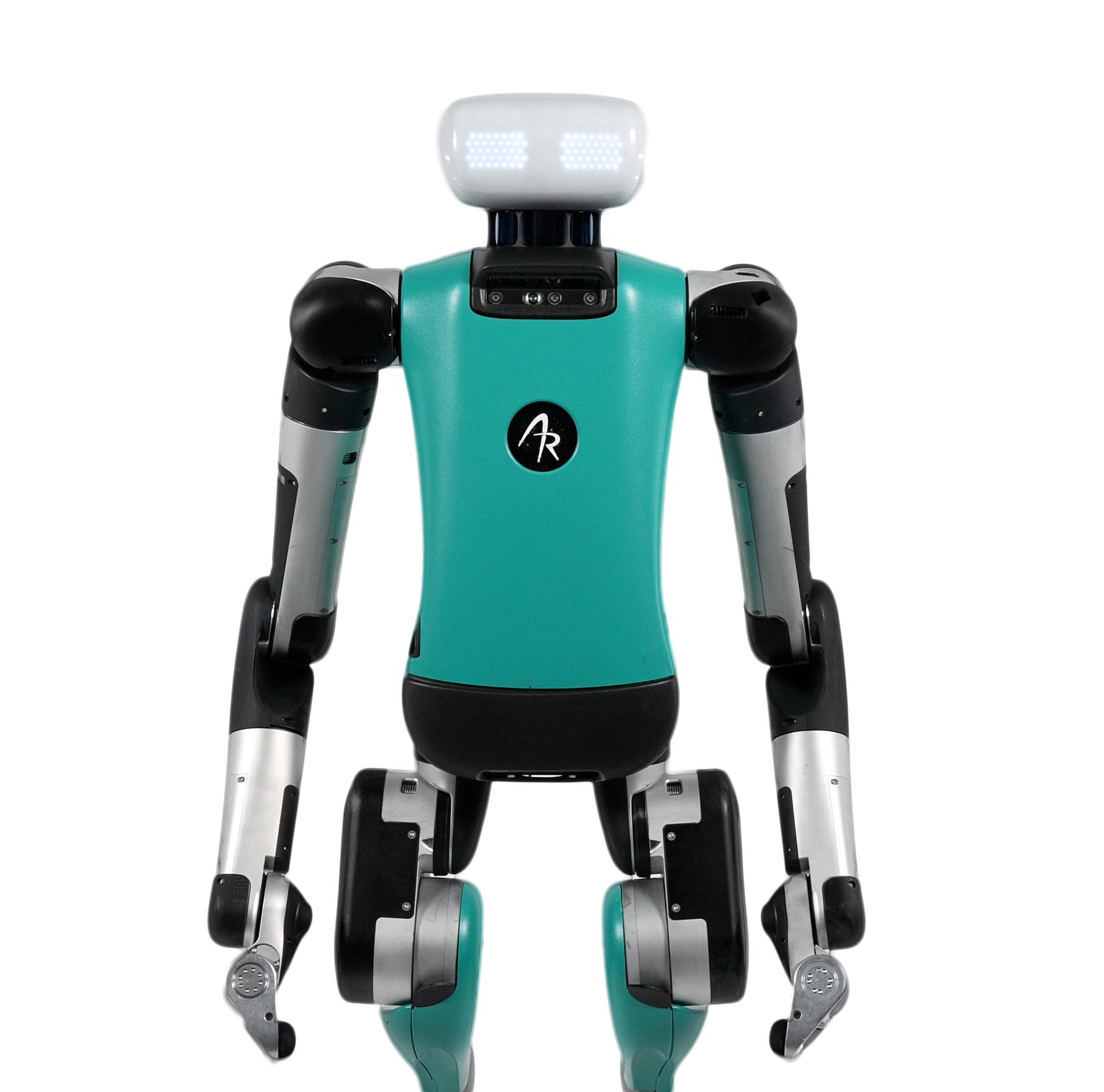
Legs on the Line: A 2025–26 Field Report on Humanoids Actually Doing Work in Warehouses, Factories and Care Homes This report catalogs on-site observations, press-released pilots, and vendor-claimed proofs-of-concept for humanoid robots in logistics, manufacturing and eldercare. Where possible I separate site-verified demonstrations and customer-acknowledged pilots from vendor claims that we could not independently verify. Reporting is based on facility visits, integrator interviews and public materials; vendor assertions that lack third‑party confirmation are flagged as such. Overview: where humanoids are making commercial sense Humanoids are not replacing forklifts or industrial arms en masse — instead they target tasks that require a human form factor: reaching into existing shelving, walking across mixed-floor environments, manipulating objects designed for human hands, and interacting directly with people (patients, residents, visitors). The clearest use cases emerging in 2024–26 were: Case picking and carton kitting — logistics and e‑commerce: humanoids reach into tote-based pick modules and perform kitting at bench stations where human-like dexterity avoids expensive rework of fixtures. Pallet handling adjacencies — limited, supervised sub‑tasks such as pallet inspection, label application and hand-off to AMRs/conveyors (not autonomous palletizing at scale). Machine tending and line assist — manufacturing R&D lines where humans perform occasional changeovers, quality checks and small-part insertion. Humanoids that can mimic human posture reduce ergonomic injury risk. Patient transfer assistance and social/companion tasks — eldercare settings using humanoids for supervised mobility assistance, guided walks, and social interaction where staff shortages are acute. Service and consumer pilots — lobby/concierge, hotel service and limited in‑home demonstrations emphasizing multimodal sensing and natural language. Who’s doing what — pilots, verified deployments and vendor claims Company Sector / Use Case Status Notes Agility Robotics (Digit) Logistics — kitting, case transfer, last‑mile staging Press‑released pilots & trade‑floor demos (site‑verified) Multiple integrators and retailers have run short pilots; Digit is often integrated into pick benches and hand‑off workflows to AMRs/conveyors. Figure / Apptronik Manufacturing R&D, line assist, machine tending trials R&D and lab trials (customer trials reported; mixed verification) Figure and Apptronik have positioned humanoids as flexible co‑workers for small runs and changeovers; most activity remains in engineering labs and limited line tests. Tesla (Optimus) Internal factory trials, staged demos Vendor‑claimed internal trials; independent verification limited Tesla has demonstrated prototypes; independent evidence of continuous factory deployment at scale is absent as of reporting. Sanctuary AI, 1X Technologies Eldercare — transfer assistance, social tasks Small pilots, care‑home demos (press claims + site visits for select trials) Operators trialed humanoids for supervised transfers and companionship; safety oversight and regulator engagement are common conditions. Xiaomi (CyberOne), UBTECH Consumer/service — home assistants, hospitality Conference demos; limited venue pilots (vendor‑claimed) Marketing focuses on aspirational consumer use; real in‑home deployments remain rare and tightly controlled. Boston Dynamics (Atlas) Research, demo, advanced mobility Research‑centric demos only Atlas remains a research platform demonstrating capability rather than a commercial worker for deployed workflows. Unitree Low‑cost legged platforms; lessons for mobility and safety Research and hobbyist deployments; informs humanoid mobility Unitree’s low‑cost approach has influenced cost expectations, but the company’s platforms are mostly quadruped. Integration patterns observed on the floor Across verified pilots, integrators take three consistent approaches: Hybrid workflows where humanoids perform a defined subtask (e.g., pick and hand‑off) while conveyors/AMRs handle bulk movement. This minimizes robot travel and leverages existing infrastructure. WMS-driven orchestration: pilots show humanoids receiving tasks through the same WMS/APIs used by human pickers; integrators build middleware that synchronizes robot state with conveyor and AMR fleets. Safety cages and collaborative zones: rather than full factory autonomy, facilities partition floors with defined human‑robot interaction zones with speed/lift limits and extra emergency stops. Measured outcomes, ROI proxies and what actually worked Concrete, independently confirmed ROI is scarce. What companies and early customers consistently reported (and what we observed on site) were productivity proxies rather than hard-dollar returns: Cycle time parity on simple picks: Humanoids have matched human cycle times on repeatable kitting tasks in controlled setups, enabling pilot acceptance testing. Staffing offsets: Multiple pilots cited the potential to reassign one or two FTEs per shift to higher‑value tasks when a humanoid handled a repetitive bench‑job — typically after 4–8 weeks of site tuning. Uptime and reliability: In real deployments uptime ranged from limited (single‑digit hours per day during trials) to multi‑shift capability in tightly controlled testbeds. Vendors report 8–16 hour capability; integrators warn this is optimistic without hardened tooling. Safety and acceptance metrics: Customer acceptance often hinges on predictable motion and easy physical stop mechanisms; social acceptance in eldercare pilots required aggressive human‑factor adjustments (voice latency, gaze behavior). Pricing, business models and integration costs Hardware list prices and service models vary widely. Across press materials and integrator interviews we observed: Upfront robot hardware costs typically sit in a wide band — dozens to several hundreds of thousands of dollars per unit depending on capability. Integration, safety engineering, and WMS/AMR integration often equal or exceed hardware costs for first‑generation deployments. Vendors are experimenting with robotics-as-a-service (RaaS) leases and revenue‑share pilots to lower customer entry costs; integrators prefer capex + integration contracts for predictable TCO. Regulatory and safety hurdles On the ground integrators and facility managers repeatedly cited three blockers: Certification gaps. Existing industrial robot standards (ISO 10218, ISO/TS 15066) were designed for fixed-arm robots and collaborative cobots; humanoid‑specific guidance and local regulatory acceptance lag deployments. Liability and insurance. Operators demand clear liability terms for patient transfers or physical interactions; many pilots required additional insurance endorsements or operator supervision policies. Human factors. In eldercare, social acceptance and fall risk management required conservative behavior envelopes and frequent staff intervention during early trials. Competitive analysis — choosing the right humanoid Choosing between vendors comes down to three axes: Mobility & form factor: Agility’s Digit emphasizes warehouse posture and chassis compatibility; Figure and Apptronik stress torque control and safe force interaction for manufacturing; Xiaomi and UBTECH trade capability for lower price and faster go‑to‑market for service settings. Software ecosystem: Robots that expose WMS/APIs and ROS‑compatible stacks integrate faster. Vendors with established integrator partnerships accelerate trials. Commercial readiness: Boston Dynamics and Unitree drive capability research; Agility, Apptronik and Figure currently represent the most field‑focused commercial pushes (as of verified pilots). What failed, and why Failures were instructive: attempts to run humanoids as drop‑in replacements for human pickers failed because warehouses had not been rethought for robots; fragile end‑effectors broke in mixed‑SKU environments; unsupervised patient transfer pilots were halted for safety. In every case the root cause was overly broad scope combined with immature tooling — the successful pilots were narrowly scoped, tightly integrated and heavily supervised. Press‑released pilots vs. vendor claims: a short compendium Verified / press‑released and site‑observed: Agility Digit kitting pilots and trade‑floor demos; UBTECH service demos in hospitality venues; Boston Dynamics research showcases (non‑commercial). Customer trials reported but limited independent verification: Figure and Apptronik manufacturing tests and limited line assists reported in vendor materials and partner releases. Vendor‑claimed only / unverified at scale: Tesla Optimus continuous factory deployment claims; widespread in‑home consumer deployments for CyberOne; large‑scale eldercare rollouts by any vendor. Conclusion: humanoids are leaving labs, but they are not yet a drop‑in industrial technology. The most credible deployments are narrow, supervised pilots where the robot’s human form solves a specific integration pain point (kitting, bench work, guided patient handling). The path to scale will be paved by integrators who can reliably tie humanoids into WMS/AMRs/conveyors, by vendors who harden uptime and safety, and by payment models that reduce front‑loaded integration costs.