Liability, Certification and the Invisible Costs: Why Safety and Insurance Could Decide Humanoid Winners in 2026
Liability, Certification and the Invisible Costs: Why Safety and Insurance Could Decide Humanoid Winners in 2026 As humanoid robots move from labs into hospitals, factories and homes, the quiet, expe...
Published by The Humanoid Race
Archived source unverified — no source link is available. The claims, figures and quotations have not been checked against an available source. Retained for historical context, not presented as newly verified reporting.
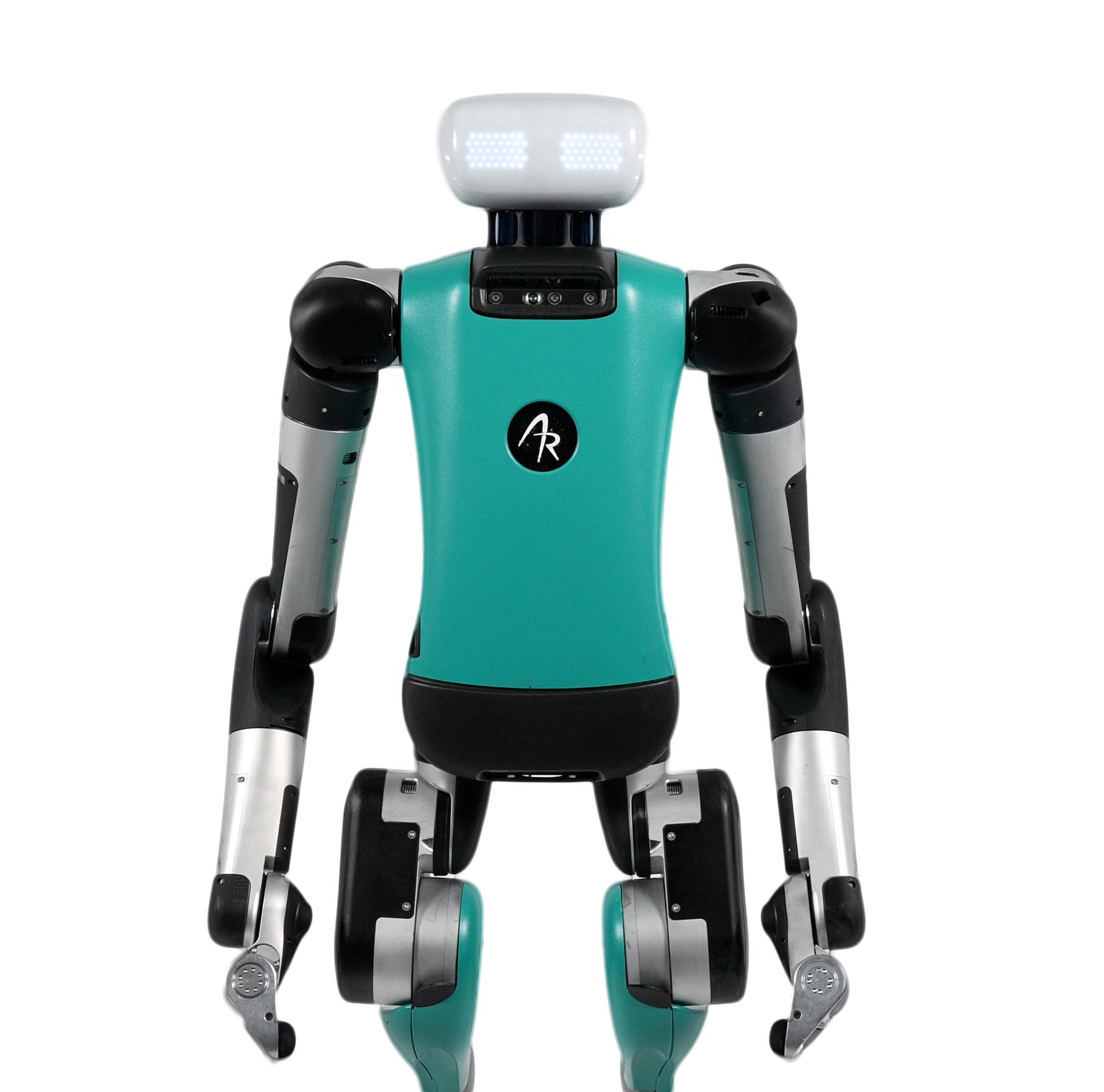
Liability, Certification and the Invisible Costs: Why Safety and Insurance Could Decide Humanoid Winners in 2026 As humanoid robots move from labs into hospitals, factories and homes, the quiet, expensive work of compliance — certifications, third-party testing, insurer underwriting and service networks — is becoming a decisive commercial battleground. Buyers in regulated industries demand approvals and indemnity constructs that reshape product architecture, pricing and go‑to‑market strategy. Interviews with hospital procurement leads, corporate risk officers, certification bodies and underwriters show that these “invisible” costs routinely add low‑single-digit to mid‑double‑digit percent increments to purchase price and up to 20–40% to total cost of ownership over five years. Regulatory and standards map by industry Industry Typical regulatory/approval pathways Standards, safety frameworks and codes buyers request Manufacturing / industrial Machinery Directive / CE; OSHA compliance for US sites; risk assessments under local workplace safety laws ISO 10218-1/2 (industrial robot safety), ISO/TS 15066 (cobots), EN ISO 12100, IEC 61508/ISO 13849 (control safety), third‑party lab reports (TÜV SÜD, UL, Intertek) Healthcare (hospitals, clinical) FDA device pathways (510(k), De Novo, PMA) in the US; CE marking + MDR in EU; local health authority approvals ISO 14971 (medical device risk management), IEC 60601/ISO 13485 (quality systems), cybersecurity standards (IEC 62443), device usability and human factors testing Aged care / home care Varies by claim: if marketed for medical purpose → medical device pathways; otherwise consumer and product safety rules ISO 13482 (service robots for personal care), product safety (EN, UL), data privacy laws, home liability compliance Why standards matter in procurement Procurement teams and insurers do not accept a vendor’s internal test bench alone. Hospital procurement leads told us they require: Third‑party test reports for electrical, mechanical and software safety Evidence of a quality management system (ISO 13485 for medical devices or ISO 9001 for industrial products) Cybersecurity attestation and patching SLAs Supply chain guarantees for spare parts and bonded service partners "We treat a humanoid like any other capital medical device: show us the regulatory pathway, the QMS, and a plan for warranty, spare parts and software updates — or it won't make our list," said a US hospital procurement lead interviewed for this story. How suppliers position safety and validation Vendors are taking different routes to address certification, and those choices shape which customers they can win. Boston Dynamics — Legacy strength in industrial safety and field testing. With Spot, Boston Dynamics emphasized enterprise operational programs, on‑site training and third‑party lab testing; customers (oil & gas, construction) required documented hazard analyses and bonded service agreements before deployment. Spot’s known price point (historically around the high five‑figure mark for quadrupeds) and mature enterprise support make it acceptable to industrial insurers. Apptronik — Markets humanoid systems to logistics and light assembly. Apptronik emphasizes hardware redundancy and industrial control safety layers to satisfy factory floor requirements and partners with integrators for bonded servicing — a selling point for insurers underwriting workplace exposures. Figure — Positions itself toward physically assistive tasks. Because healthcare/assistance claims draw medical device scrutiny, Figure markets clear risk‑management roadmaps and anticipates FDA regulatory engagement; firms like this typically budget additional engineering and clinical testing costs into early deployments. Tesla — Promotes a software‑first, fleet‑learning approach for Optimus. That model can reduce engineering per‑unit costs, but multiple insurance and risk contacts noted that software‑heavy validation without third‑party certification raises underwriting friction, especially for clinical or home use. Sanctuary — Targets caregiving and human‑centric work. Sanctuary’s commercial pitch stresses human‑safety design and human factors testing; buyers in aged care ask for ISO 13482 alignment and proof of minimized injury risk. 1X — Markets modular, purpose‑built humanoids for controlled industrial environments and leans on integrator partnerships to deliver service networks and compliance documentation insurers want. Insurance underwriting: emerging criteria and pricing impacts Underwriters now treat humanoids as a composite risk: product liability + professional liability (when software decisions matter) + cyber. From interviews with three major international insurers and several risk officers, common underwriting requirements include: Third‑party safety certification or lab test reports Documented hazard analyses (HAZOP / FMEA) and risk mitigations Minimum service levels: guaranteed spare parts inventory, on‑site response times and bonded service partners Remote monitoring/telemetry and demonstrated remote‑kill capability Software update and cybersecurity patching programs Operator training and credentials These requirements have price consequences. Risk officers and insurers we interviewed consistently estimated premium uplifts of: 10–30% higher premiums for healthcare/clinical deployments versus industrial deployments Additional retentions or indemnity layers for home deployments (where legal exposure is more ambiguous) Discounts or premium credits of 5–15% when vendors supply bonded service networks, spare‑parts caches and remote monitoring across fleets One insurer working with hospital systems quantified the arithmetic: "If a hospital buys 50 humanoids, budget an extra 12–25% per unit over five years for liability overlays, service bonds and certification costs — that can eclipse the annual maintenance contract if you haven't negotiated parts and SLAs," the underwriter said. Downstream commercial effects and the calculus for buyers The net effect is that regulatory and insurance realities reshape price, RaaS (robot‑as‑a‑service) economics and partner selection: Higher compliance costs for healthcare robots. Clinical claims force medical device pathways and clinical trials; vendors must bake those costs into list prices or RaaS fees. Procurement leads reported requests for shared risk contracts where vendors accept partial liability in return for premium RaaS payments. Bonded service networks for factories. Factory operators demand local integrators who can guarantee mean time to repair (MTTR) and spare parts availability; vendors lacking such networks lose bids to incumbents who can provide liability buffers for insurers. Legal exposure in homes. Aged‑care deployments raise ambiguity: is the robot a consumer product or a medical device? Insurers push for upstream warranties, parent company indemnities and higher deductibles; some vendors avoid direct home sales and prefer RaaS with trained agency partners. Pricing and RaaS structuring. Vendors offering a fully‑managed RaaS with bonded service and telemetry can command higher yields but also win enterprise business by reducing buyer risk. Buyers told us that an otherwise equal hardware offer will be rejected unless the vendor supplies a certified QMS record, spare‑parts contract and insurer‑acceptable SLAs. Competitive implications Companies that frontload certification, third‑party testing and bonded services — at higher upfront cost — access regulated customers and insurance concessions; software‑only, low‑cost entrants can compete in low‑risk logistics but struggle in hospitals and homes. The competitive gap becomes a function of capital (to fund certification and service build‑out), partnerships (with integrators and labs) and time to obtain medical/device approvals. Conclusion By 2026 the winners will not necessarily be the slickest demos but the companies that master the non‑glamorous infrastructure of trust: independent testing, clear regulatory pathways, underwriter‑approved service models and spare‑parts economics. For buyers, the lesson is explicit: plan for hidden compliance and insurance costs early — they materially alter unit economics, RaaS pricing and the choice of vendor when humanoids move from pilot to scale.