Market maneuvers: how humanoid robot companies tailor sales, partnerships and pricing for logistics, healthcare and homes
Introduction Humanoid robotics companies are no longer selling a single product to “everyone.” Over the past three years, manufacturers have developed industry-specific go‑to‑market playbooks that mix...
Published by The Humanoid Race
Archived source unverified — no source link is available. The claims, figures and quotations have not been checked against an available source. Retained for historical context, not presented as newly verified reporting.
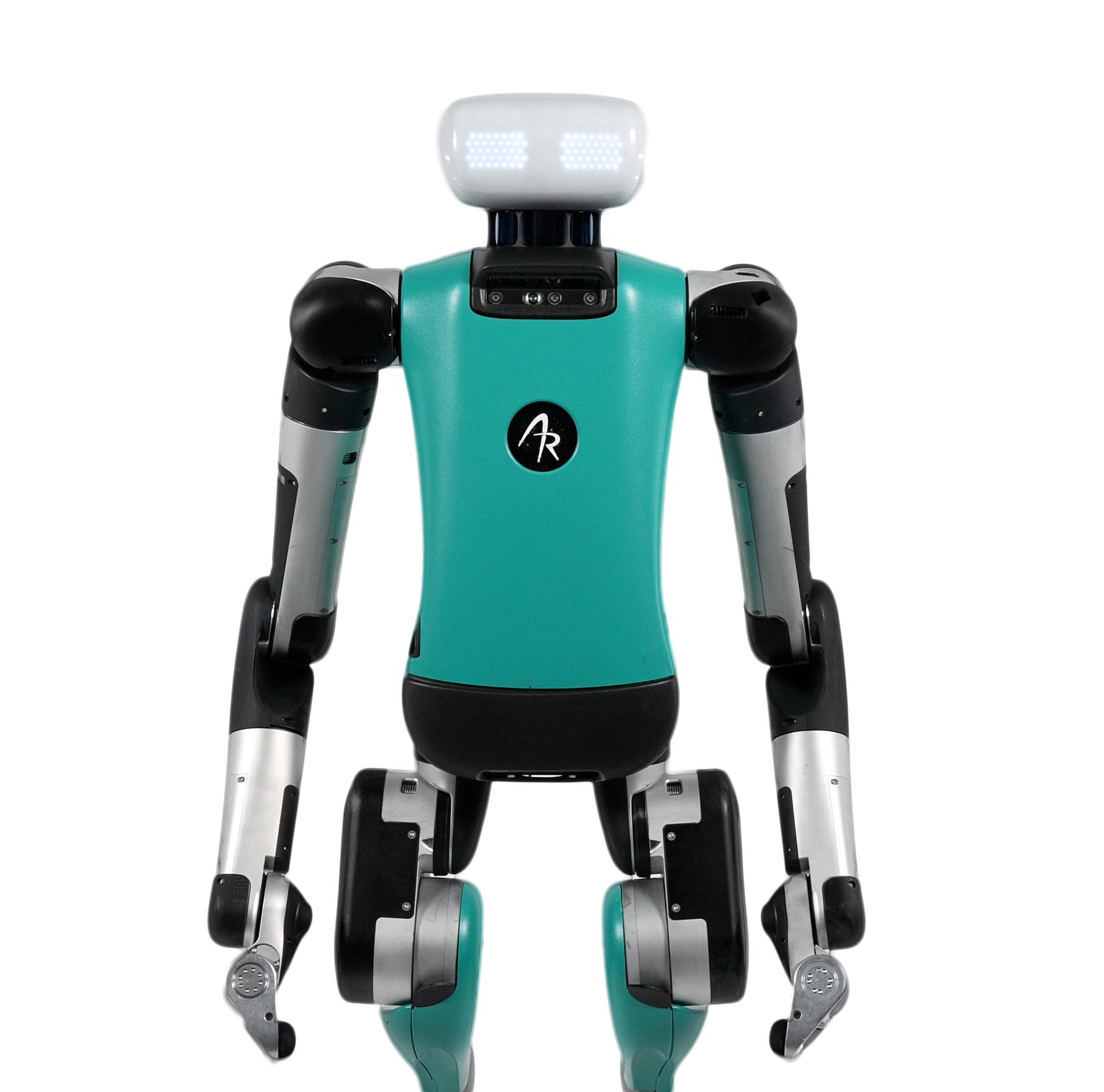
Introduction Humanoid robotics companies are no longer selling a single product to “everyone.” Over the past three years, manufacturers have developed industry-specific go‑to‑market playbooks that mix pricing innovation, channel selection and tailored narratives. The result: a fractured market where Tesla’s long‑vision, direct‑to‑enterprise approach sits beside lease‑first pilots from Apptronik and 1X, integrator‑led deployments of Agility Robotics’ Digit in warehouses, and white‑glove Sanctuary AI projects in healthcare. This report compares leading playbooks and explains why firms choose particular routes to market. Company playbooks: product, positioning and primary verticals Tesla (Optimus) — Positions Optimus as a long‑term productivity multiplier; narrative emphasizes scale and future cost disruption. Go‑to‑market is direct enterprise targeting and PR‑driven visionary positioning rather than immediate channel roll‑out. Figure AI — Focuses on enterprise partnerships and pilot‑first commercialization. Emphasizes rapid prototyping with customer engineers to convert pilots into production contracts. Agility Robotics (Digit) — Integrator/channel approach for logistics and warehouses. Partners with systems integrators (SIs) and warehouse automation firms to embed Digit alongside conveyors, vision systems and WMS platforms. 1X Technologies (NEO/EVE) and Apptronik (Apollo) — Lease and Robotics‑as‑a‑Service (RaaS) pilots targeted at fulfillment, light manufacturing and research labs; appeal to customers that want OPEX vs CAPEX. Sanctuary AI (Phoenix) — White‑glove integrations in healthcare and complex human tasks; sells outcomes and trained task models rather than bare hardware. Xiaomi and UBTECH — Consumer and light‑commercial channels (retail, education, hospitality); more traditional retail and OEM distribution networks. Unitree — Low‑cost, edge‑deployed platforms aimed at inspection, R&D and budget‑sensitive lab adopters. Fourier Intelligence — Rehabilitation and medical device partnerships; sells into hospitals and clinics through medical device distributors and clinical trials. Why vertical specialization matters Enterprises evaluating humanoids prioritize a short list of outcomes: increased throughput, reduced labor costs, improved safety, and regulatory compliance. Vendors that map product capabilities to those outcomes (e.g., Digit’s box‑handling gaits for parcel sorting, Sanctuary’s dexterous teleoperation for care settings) get past procurement gatekeepers faster. Vertical specialization also reduces the chance of a “race to the bottom” on hardware pricing: firms sell differentiated software, trained skills, and integration services rather than bare chassis. Pricing and commercial models Humanoid vendors deploy a range of pricing strategies to lower adoption friction: Outright purchase: Traditional hardware sale with optional maintenance; used by premium providers targeting CAPEX‑ready customers. Lease / RaaS: Monthly payments covering hardware, updates and service. Common in Agility, Apptronik pilots and many 1X offerings. Per‑hour / per‑task: Pay‑for‑use models for seasonal or variable workloads; favored by e‑commerce fulfillment where throughput is seasonal. Revenue‑share: Performance‑linked contracts where vendor is paid based on throughput or labor savings; higher complexity but aligns incentives. Estimated ranges observed in market conversations and public filings: short pilot leases commonly run from $2,000–$15,000/month per unit depending on service level; outright purchases—when available—are often in the $50,000–$250,000 range for humanoid‑class systems plus integration. Vendors bundle software, maintenance SLAs, analytics dashboards and training into higher‑margin recurring contracts. Channels and the role of systems integrators Channel strategy is a key differentiator: Direct sales: Tesla uses direct enterprise outreach, CEO‑led narratives and pilot partnerships with large manufacturers. This suits companies that can absorb long sales cycles and use brand to drive enterprise commitment. Systems integrators / SIs: Agility and many specialized startups sell through SIs who handle WMS integration, safety certification and factory floor layout. This reduces customer friction and shares implementation risk. OEM tie‑ins and distributors: Fourier and medical robotics firms rely on established medical device distributors to access clinics and hospitals; UBTECH and Xiaomi leverage retail and channel partners for consumer and light‑commercial markets. Pilot‑to‑scale funnels and common RFP playbooks Successful vendors build repeatable pilot funnels that translate to enterprise contracts. Common elements included in RFP responses: Defined pilot KPIs: throughput (units/hour), mean time between failures (MTBF), pick accuracy, safety incidents avoided. Integration plan: WMS/APIs, safety zoning, edge compute/latency profiles. Service and maintenance: SLA uptime targets, remote diagnostics, spare‑part provisioning. Commercial conversion terms: credit for pilot fees toward production contracts, clear step‑up pricing and scale discounts. “Pilots that spell out operational KPIs and offer conversion credits close at materially higher rates,” industry integrators report. Vendors that insist on pilot invoices refundable into later purchases shorten procurement cycles. Case study: a logistics customer’s decision — lease Digit vs buy a Figure prototype An anonymized North American parcel consolidator evaluated two options in 2024: leasing Agility Robotics’ Digit through an SI versus purchasing an early Figure AI prototype for a dedicated sort line. Key tradeoffs: Criteria Digit (Lease + SI) Figure prototype (Purchase) Upfront cost Low (monthly RaaS payment) High (one‑time capex) Integration Handled by SI (WMS, conveyors) Customer‑led, higher engineering burden Time to live ops 8–12 weeks including SI work 3–6 months of internal engineering Risk Vendor bears service risk via lease Customer bears hardware obsolescence Decision Chose Digit lease to minimize go‑live time and shift risk to vendor Declined purchase for current production needs The logic mirrors broader market behavior: customers with variable demand prefer RaaS and integrator support; customers that want to own IP or control hardware roadmaps may accept higher CAPEX and engineering cost. Competitive comparisons and vertical avoidance of price wars Companies differentiate by selling adjacent value: Software & skills: Figure and Sanctuary emphasize trained task libraries and operator teach‑modes to reduce site‑specific engineering. Integration services: Agility offloads integration to SIs and takes a smaller hardware margin in exchange for volume. Leasing economics: Apptronik and 1X use monthly pricing to lower procurement hurdles and capture long‑term service revenue. Regulated channels: Fourier and Sanctuary sell through clinical and healthcare partners where price sensitivity is lower but regulatory requirements are higher. Enterprise procurement barriers Procurement teams consistently raise three issues: Safety and certification: Proof of safe operation in human environments and indemnity limits slow decisions. Integration costs: WMS integration, floor changes and retraining hidden costs can exceed hardware spend. Total cost of ownership (TCO): Buyers want transparent models that include downtime, parts and software updates—hence the popularity of RaaS. Conclusion Humanoid makers are learning that sales strategy is as important as engineering. The most commercially successful firms pair hardware with verticalized software stacks, channel partners that shoulder integration risk, and flexible commercial models that mirror buyer accounting preferences. As deployments mature, differentiation will increasingly be won on software, certified skills and service economics rather than raw hardware specs — a dynamic that will keep head‑to‑head price wars at bay for vendors that successfully specialize.