Night Shift: How Humanoids Are Earning Their Stripes in Warehouses and Logistics (2025–26)
Executive summary Humanoid robots have moved from lab curiosities to working pilots in logistics and warehousing. Over 2024–26 vendors such as Agility Robotics, Figure, 1X Technologies, Apptronik and...
Published by The Humanoid Race
Archived source unverified — no source link is available. The claims, figures and quotations have not been checked against an available source. Retained for historical context, not presented as newly verified reporting.
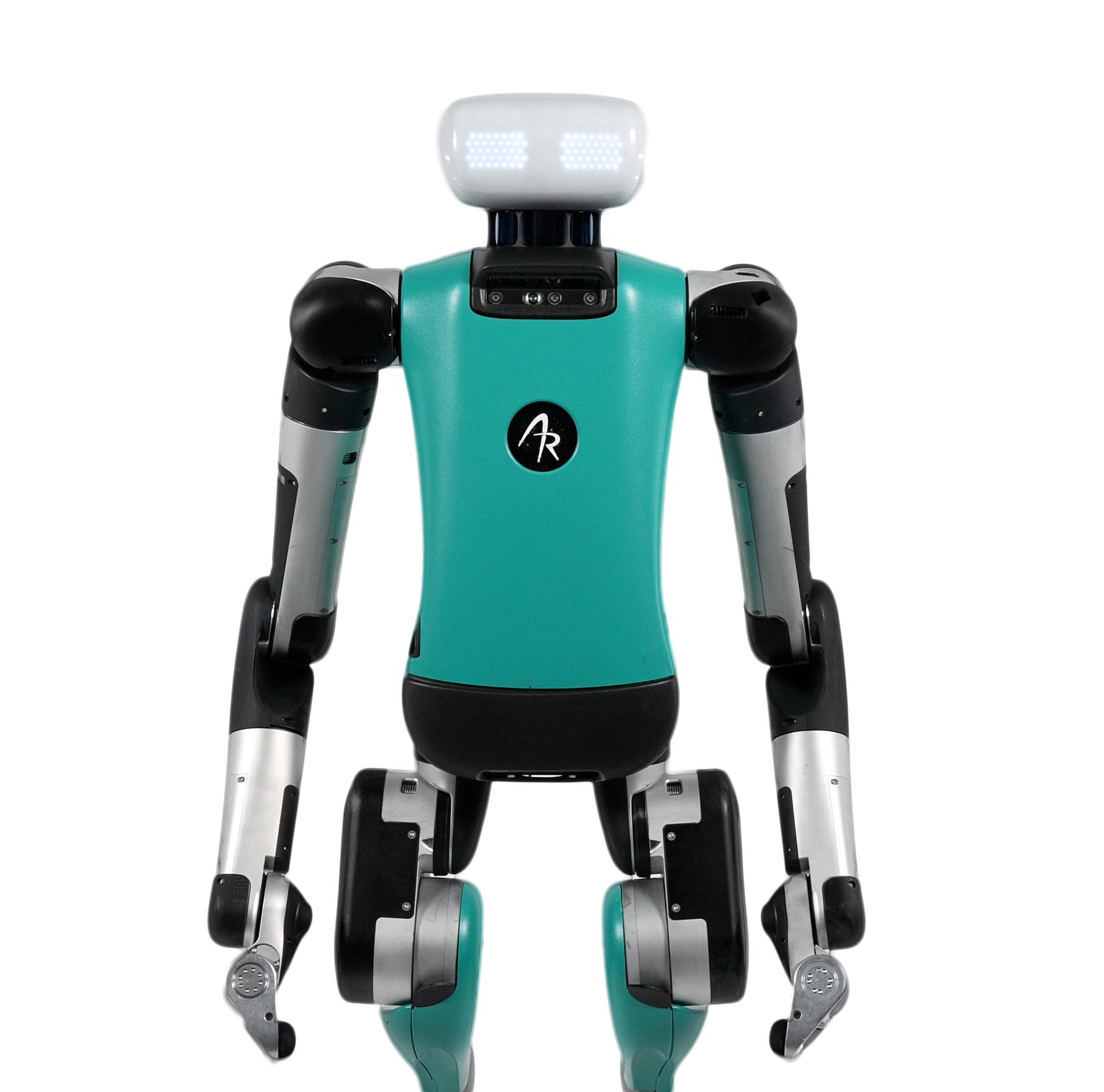
Executive summary Humanoid robots have moved from lab curiosities to working pilots in logistics and warehousing. Over 2024–26 vendors such as Agility Robotics , Figure , 1X Technologies , Apptronik and (in public footage) Tesla have run pilots or demonstrations that target classic warehouse tasks: night-shift piece picking, tote-to-conveyor transfers, pallet manipulation, and returns handling. These programs are small and specialized, but they reveal repeatable value propositions—ergonomic risk reduction, overtime/shift-cost substitution, and improved night-shift throughput—while exposing hard systems-integration challenges around perception, grasping and conveyor handoffs. Who’s doing what — use cases and industries The most common early commercial scenarios where humanoids are being tested are these. Night-shift picking — e-commerce retailers and third-party logistics (3PL) providers run humanoids on low-variation, repetitive pick queues overnight to reduce labor premiums and ergonomic injuries. Tote-to-conveyor transfers — distribution centers use humanoids to take totes from shelving and place them on conveyors or sortation belts during filler or replenishment tasks. Returns handling and triage — returns centers often have unstructured items; humanoids are piloted to separate, scan and triage packages into rework or restock flows. Simple pallet manipulation and staging — limited demonstrations show humanoids moving small, standardized cartons on and off pallets in constrained work cells. Industries most engaged: e-commerce/digital retailers, 3PLs (regional and national), grocery distribution and some high-volume CPG operations that need night coverage. Healthcare logistics and cold-chain warehouses are beginning to evaluate humanoids for low-temperature picking tasks where human retention is difficult. How vendors are positioning their robots Agility Robotics (Digit) : Positioned as a drop-in human-adjacent laborer that excels at box- and tote-handling and safe co-working with human staff. Agility emphasizes ergonomic relief and straightforward integration with conveyors. Figure : Markets humanoids as high-throughput pick-and-place assistants optimized for last-mile fulfillment lanes and order consolidation. Figure’s messaging stresses machine-learning perception stacks tuned to retail SKUs. 1X Technologies (NEO/EVE) : Frames robots as industrial material-handling platforms focused on repetitive bin-to-conveyor movement and pallet work, selling modular end-effectors for standard grippers. Apptronik : Emphasizes robust manipulators and a middleware stack for warehouse-cell integration; pitches humanoids as flexible alternatives to fixed cobots for mid-volume sites. Tesla (Optimus) : Public tests and internal footage position Optimus as a generalist production and logistics assistant; Tesla’s communications focus on scale and unit economics rather than immediate turnkey warehouse applications. Pilot programs, demos and reported outcomes Most deployments to date are pilot-sized (1–10 robots) inside tightly constrained cells or night-shift lanes. Vendors and public footage report the following operational outcomes; in many cases figures are vendor-provided and not yet widely audited. Vendor Use case Reported throughput / outcome Notes Agility Robotics (Digit) Tote-to-conveyor, night picking Vendors report single-robot throughput comparable to a single human picker on standard tote sizes; improved uptime on night shifts Focus on ergonomic injury reduction and tight conveyor handoffs; pilots with multiple 3PLs and retailers announced in staged rollouts Figure Last-mile consolidation, order consolidation Public demos show consistent grasp & place in constrained lanes; vendors claim error rates competitive with trained temporary night staff after custom training Perception tuned for SKU sets; integration with WMS required 1X Technologies (NEO/EVE) Material handling demos, pallet carton movement Demo cells show repeatable pallet tasks at slow but consistent cycle times Designed for heavier payloads than many humanoid peers; still limited by perception/grip variability Apptronik Warehouse cell automation Integrated demos emphasize low downtime and modular grippers; throughput varies with gripper choice Targets integrators and OEMs rather than end-users directly Tesla (Optimus) Factory/warehouse trials (public footage) Footage shows basic manipulation, no verified commercial throughput numbers Tesla’s scale and vertical integration pose long-term disruption risk; short-term deployments remain exploratory Human-robot handoffs, space and power Successful pilots share common operational design patterns: slow conveyor speeds in handoff zones, standard tote sizes, constrained pick envelopes and clear safety zoning. Space footprints are currently larger than AMRs: humanoid work cells need room for gait and motion trajectories — typically 2–4 m buffers — and clear floor markings. Power consumption varies; walking humanoids report sustained power draws in the low kW range when active, requiring charging docks or shift-swap charging protocols. These factors constrain where humanoids can be deployed inside existing DC footprints. Pricing and business models Vendors are experimenting with several commercial models: Capital sale : a traditional purchase with integration charges; attractive to larger retailers with engineering teams. Rental/leasing : monthly leases that bundle maintenance and replacement units for 12–36 month terms — common for pilots. Per-hour service contracts : pay-for-uptime arrangements for night-shift coverage; appealing to 3PLs that want predictable OPEX. Outcome-based pricing : revenue-share or per-order pricing in which the vendor is paid on throughput or error-rate guarantees; still rare but being trialed. Market sources and vendor statements place monthly rental equivalents for early humanoid pilots typically in the range of several thousand to low tens of thousands of dollars per robot per month when integration, vision tuning and support are included. Vendors stress that price drops will be necessary to match incumbent AMRs on cost-per-task. Competitive context: humanoids vs incumbent AMRs and cobots Fetch Robotics, Mobile Industrial Robots (MiR) and other AMR/cobot vendors remain the operational baseline. Those platforms are mature for autonomous transport, towing and articulated arm stationary picking; they score higher on predictability, lower on integration risk and lower total cost of ownership for many tasks. Humanoids’ advantage is human-like dexterity and the potential to work in human-centric spaces without re-engineering shelves or conveyors. In practice, that advantage is narrow: for high-variation SKU picking, industrial arms with vision workstations or human pickers still outperform humanoids on cost and reliability. Where humanoids win today is in unmodified human workspaces that need night coverage or where temporary labor pools are scarce. Integration headaches and ROI assumptions Vision and perception : inventory variability and reflective packaging produce false negatives; many pilots restrict SKU sets to reach acceptable error rates. Grippers and end-effectors : one-size-fits-all grippers remain elusive. Successful pilots use task-specific end-effectors and frequent tuning. Conveyor/line handoffs : timing, force control and safety are tricky. Many deployments add physical guides and intermediate buffers to make handoffs deterministic. WMS/WCS integration : custom middleware is usually required; integration timelines in pilots range 8–20 weeks depending on sites’ maturity. ROI calculations used by customers focus on three levers: lowered night-shift premium labor costs, reduced injury/turnover, and incremental throughput. Typical pilot-stage assumptions target payback in 18–36 months if robots can run multiple shifts or be redeployed across cells; if robots run only a few hours per night, payback rarely materializes. "Our humanoid pilot reduced manual lift events on the night shift and freed supervisors to handle exceptions," said a DC operations manager participating in a multi-site pilot. "But getting the vision tuned and the conveyor timing right took three months." — anonymous pilot partner Practical guidance for logistics managers Start with low-variation, high-labor-premium tasks (night-shift picking, returns triage) and limit SKU sets for the pilot. Budget 3–6 months for integration and 6–12 months to get meaningful uptime; expect engineering involvement. Design simple handoff geometry and prefer standardized totes/cartons to minimize vision/grip issues. Negotiate pilot commercial terms that include performance clauses and clear upgrade paths to volume pricing. Outlook: what’s realistic now vs. 12–24 months Realistic today (2025–26): night-shift tote and small-carton handling, closed-cell pallet carton staging, returns triage for limited SKU universes, and mixed human-robot cells for ergonomic relief. Likely in 12–24 months: broader SKU-perception robustness, faster conveyor handoffs, reduced per-unit cost through leasing scale, and more outcome-based commercial contracts as vendors gather operational data. Full replacement of human pickers in high-variation aisles remains a multi-year challenge. Humanoids are carving real, narrowly defined niches in logistics—especially at night and where human labor is scarce or costly. The next phase will be less about dramatic single-robot breakthroughs and more about scaling integration playbooks that make these machines affordable, predictable and easy to bolt into existing DC operations.