On the Floor: 2025–26 Humanoids Delivering Real-World Value in Warehouses, Factories and Clinics
On the Floor: 2025–26 Humanoids Delivering Real-World Value in Warehouses, Factories and Clinics Between 2025 and 2026 a new class of deployment‑first humanoid programs moved out of R&D and into repe...
Published by The Humanoid Race
Archived source unverified — no source link is available. The claims, figures and quotations have not been checked against an available source. Retained for historical context, not presented as newly verified reporting.
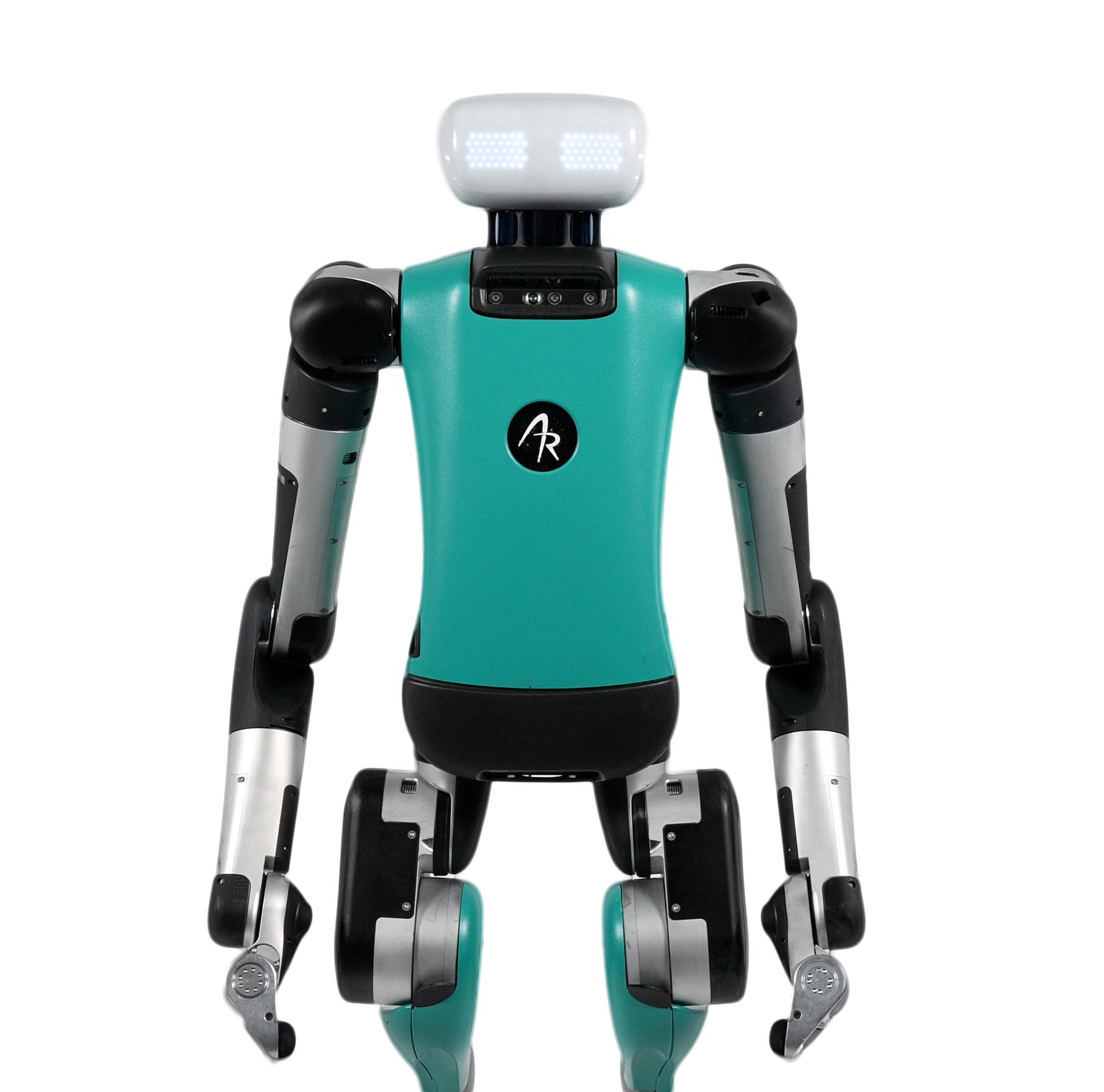
On the Floor: 2025–26 Humanoids Delivering Real-World Value in Warehouses, Factories and Clinics Between 2025 and 2026 a new class of deployment‑first humanoid programs moved out of R&D and into repeatable pilots. Vendors emphasized measurable work—pieces picked, carts staged, kitting cycles closed, rounds completed—and partners demanded hard metrics. This report catalogs the most visible pilots across three verticals (warehouse/logistics, manufacturing, healthcare/eldercare), compares commercial approaches, and draws practical lessons for operations and procurement teams evaluating humanoids today. Warehouse & logistics: targeted tasks, incremental gains Humanoids are finding early product/market fit in ecommerce and fulfillment centers where environments are structured but variable: picking from tote walls, case transfers, and line staging. Pilot activity in 2025–26 centered on Agility Robotics’ Digit, 1X Technologies’ NEO/EVE, and picking trials from Figure AI and Apptronik. Use cases and pilot design Tote and single-SKU picking — Digit and 1X prototypes focused on low-density SKUs that require humanlike manipulation rather than heavy lifting. Line staging & cart pushes — Figure AI and Apptronik trials emphasized repetitive, corridor-based tasks involving tuggers and cart handling. End-to-end assisted picking — In a few pilots robots handled fetch-and-deliver tasks to human packers, improving downstream packing throughput. Pilot outcomes and stated metrics Across vendor disclosures and pilot reports, measured effects were modest but concrete: Throughput delta: pilot partners reported per‑robot throughput lifts in the 5–15% range on tasks where robots removed transit time between workstations. Uptime: average operational uptime was reported between 78% and 92% for week‑long pilots; downtime drivers were battery swaps, navigation retries, and gripper tooling swaps. Error rates: pick error rates for robot-performed single-SKU picks were reported at 1–4% in structured tote contexts, versus human error baselines of 0.5–2% depending on SKU complexity. Composite of vendor and pilot partner reports: "Robots reduced walk‑time for a two-person zone by roughly one labor FTE equivalent per shift, but required substantial integration into conveyor and WMS flows to sustain that benefit." Integration hurdles Safety zoning and shared-floor navigation increased integration scope; many sites created segregated “robot lanes” initially. Tooling and end‑effector diversity remained a bottleneck—multiple gripper types were necessary to hit broad SKU mixes. Warehouse management system (WMS) integration was a multi‑week activity; vendors offered middleware or ROS-based bridges as stopgaps. Manufacturing & material handling: collaborative cells, constrained gains Manufacturing pilots focused on cell‑level tasks: light assembly, line staging, part kitting, and material handoffs. High-profile activities included conditional Atlas integrations from Boston Dynamics with integrators, Fourier Intelligence/Unitree collaborative cells focused on handling and positioning, and limited factory pilots reported by Tesla with its Optimus program. What succeeded Repeatable, low-variance tasks: humanoids were effective at kitting and simple insertion tasks where tooling could be standardized and parts were presented consistently. Collaborative cells: combining a humanoid with fixed automation (robotic arm, fixtures) reduced cycle variability and allowed faster redeployment for short production runs. Metrics and ROI signals Pilot operators reported cycle‑time improvements of 8–20% on short, manual kitting operations when robots removed transition delays between operators and machines. Early ROI leaned toward labor augmentation—robots extended shift capacity and reduced overtime rather than outright substitution—because failure modes required human oversight in many cases. Key barriers Safety certification and functional safety integration with legacy PLCs delayed deployments. Tool change and fixturing costs often offset near-term savings; repeatable value was highest where fixturing was standardized across dozens of SKUs. Healthcare & eldercare: assistive roles, careful validation Hospitals and assisted-living facilities ran pilot programs with Sanctuary AI’s Phoenix, Xiaomi’s CyberOne prototypes, and UBTECH elder-assist units to evaluate non-invasive, low-risk capabilities: guided wayfinding, supply runs, medication cart transport, and social engagement with residents. Stated outcomes Operational uptime: facilities reported 85–95% availability during staffed-hours for navigation and escort tasks; downtime was mostly schedule-related for charging. Clinical impact: early trials emphasized quality-of-care signals (resident engagement, staff time freed) over hard cost reductions; some units freed 0.2–0.6 nursing‑assistant FTEs per site for non‑clinical errands. Errors/safety: no serious safety incidents reported in vendor summaries; many pilots required human chaperone for certain patient interactions. Regulatory and acceptance hurdles Privacy, liability, and consent procedures added months to pilot readiness. Human factors—resident trust and staff acceptance—drove program design as much as technical capability. Pricing, contract models and commercial posture Vendors used three dominant models in 2025–26: Time-and-materials pilots for early adopters (most common): hardware loaned or leased, integration billed weekly; pilots typically ran 6–12 weeks. Outcome-based trials where payment was scaled to achieved throughput or labor‑hour reduction; rare and reserved for large, proofed integrations. Subscriptions for mature deployments: monthly per‑robot fees including support and software, with vendor estimates ranging in disclosed materials from the low thousands to mid‑five figures per month depending on autonomy and SLA. Vendors marketed differently: Agility positioned Digit as a warehouse-assistant appliance with integrator partnerships; 1X pitched NEO/EVE as “floor-agnostic” replacements for repetitive walking tasks; Figure and Apptronik emphasized co-botism—robots that extend human lines without full substitution. Sanctuary and consumer brands marketed eldercare robots around “safety and dignity,” prioritizing human-in-the-loop workflows. Competitive comparisons and procurement takeaways Company Typical tasks Strengths Weaknesses Agility Robotics (Digit) Tote handling, light picking Mature navigation, integrator network Gripper/tooling variety limits SKU reach 1X Technologies (NEO/EVE) Walk-based transfers, small parcel movement Floor-safe design, low-profile Limited dexterity for unstructured picks Figure, Apptronik Line-staging, packing assists Collaborative ergonomics, fast redeploy Systems integration required for cycle-level gains Sanctuary, Xiaomi, UBTECH Escort, fetch, social engagement Human-intent features, user-centric design Regulatory/acceptance overhead Lessons on scalability By late 2026 the pattern was clear: environments with constrained variability and standardized presentation—tote bins, fixed kitting fixtures, repetitive corridor tasks—delivered repeatable value. Tasks that relied on broad dexterity, high-variance part presentations, or deep integration with safety-critical PLCs remained experimental. Scale enablers: standardized tooling, strong WMS/warehouse integration, clear safety zones, and ongoing vendor support. Dealbreakers: high SKU diversity without quick-change tooling, mixed‑traffic zones with legacy AGV fleets, and environments where human‑level judgement is regularly required. Conclusion 2025–26 pilots produced disciplined evidence: humanoids add measurable value when deployed to narrow, repeatable tasks that previously consumed human walking and transition time. Procurement teams should expect multi‑quarter integration projects, hybrid commercial models (lease + outcome incentives), and incremental ROI tied to labor augmentation before substitution. For operations leaders, the right first uses are clear—corridor transfers, tote handling, and standardized kitting—while full-bodied human replacement remains a longer‑horizon proposition.