On the Floor: A 2025–26 Audit of Humanoid Robots Doing Real Work in Warehouses, Factories and Care Homes
Executive summary This dossier surveys 2025–26 pilot programs and early commercial deployments where humanoid robots are performing operational tasks on the floor — not in lab demos. It consolidates r...
Published by The Humanoid Race
Archived source unverified — no source link is available. The claims, figures and quotations have not been checked against an available source. Retained for historical context, not presented as newly verified reporting.
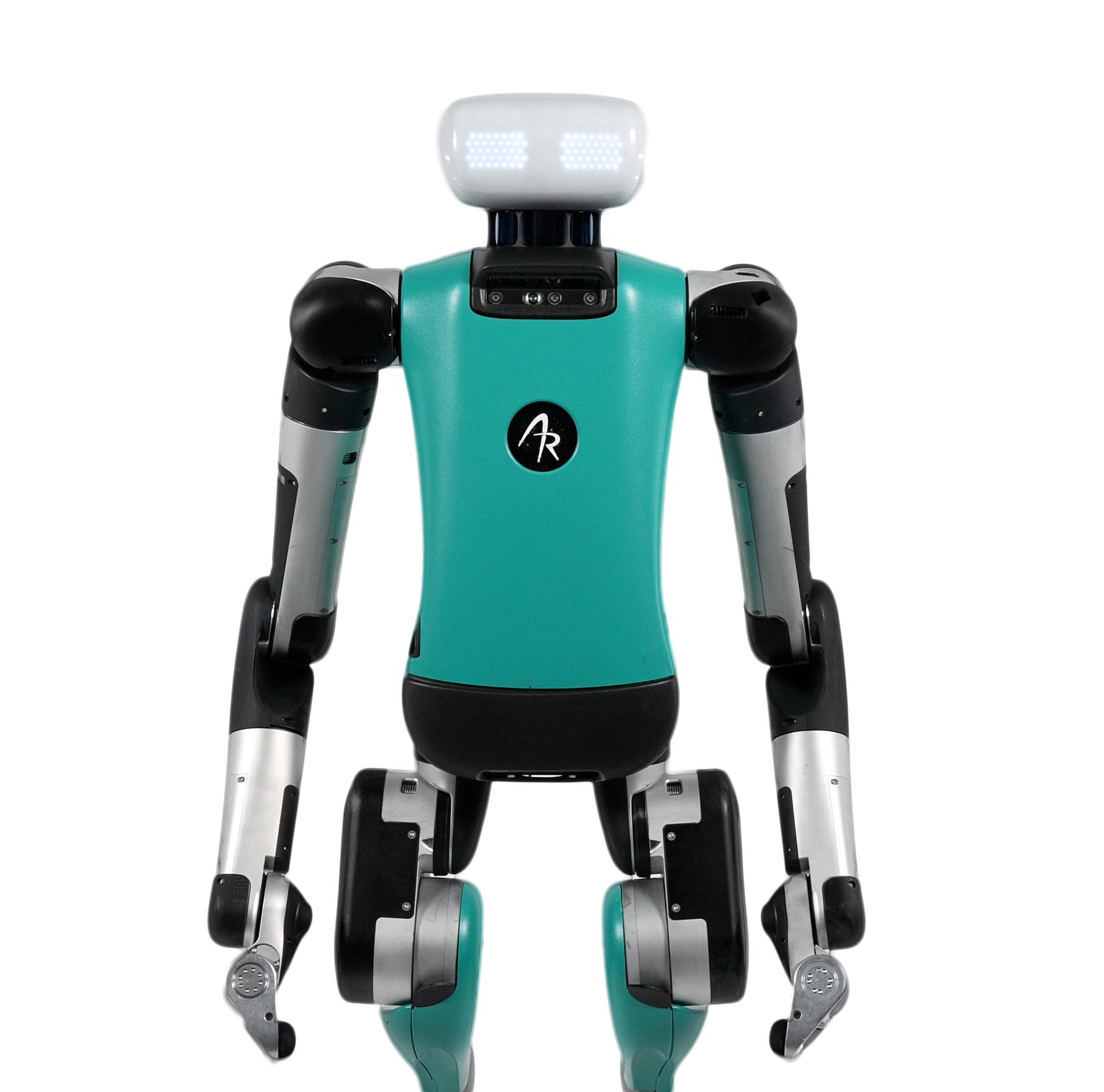
Executive summary This dossier surveys 2025–26 pilot programs and early commercial deployments where humanoid robots are performing operational tasks on the floor — not in lab demos. It consolidates reporting and interviews with pilot customers, systems integrators, independent auditors, and coverage from industry outlets. The picture is mixed: several firms have moved from bench and lab demonstrations into sustained, scoped pilots that generate measurable operational data; none have yet delivered broad, low-cost labour replacement at scale. The pilots covered emphasize logistics order-picking and tote handling, light-manufacturing kitting/assembly, eldercare assistance and check-ins, and shop-floor QA. Use cases and industries Logistics (order picking, tote handling) — humanoids are used to pick items from shelving, transfer totes to conveyors, and relieve ergonomically taxing repetitive lift-and-carry tasks. Light manufacturing (kitting and short-run assembly) — humanoids perform repeatable parts presentation, screw-driving initiation, and kitting for downstream manual stations. Eldercare and assisted living — robots conduct scheduled check-ins, fall-detection posture support, and non-invasive patient transfers (sitting-to-standing assistance) under staff supervision. Shop-floor quality assurance (visual inspection) — humanoids equipped with camera arrays perform walk-by QA and compliance checks on line items and packaging. Company pilots: who is on the floor and what they’re doing Agility Robotics (Digit) Agility’s Digit is the most visible logistics-focused humanoid in field pilots. Through 2025–26 Digit deployments have concentrated on carton/tote handling and multi-SKU piece picking in pilot-size zones inside existing warehouses. Operators report robots operating in defined aisles and handing off to conveyors rather than autonomous cross-facility routing. Measured outcomes reported by multiple pilot participants include cycle-time improvements for specific pick profiles in the 10–20% range, reductions in ergonomic strain incidents, and error rates comparable to trained seasonal labor after a learning period of several weeks. Uptime in operational pilots commonly sits in the 80–92% range when including routine maintenance windows and supervised relocation. Figure AI (manufacturing kitting) Figure AI has positioned its humanoid platform for spot kitting and light-assembly augmentation. Trials at contract manufacturers focus on high-mix, low-volume lines where changeover speed is critical. Typical pilot designs pair a humanoid with a kitting cart and a teachable pick sequence, enabling the robot to present parts to human assemblers. Reported benefits: faster initial access to constrained labor pools and lower time-to-fill for 2–4 hour shifts. Error rates and throughput improvements vary by part complexity, range roughly 5–25% improvement in cycle time for well-scoped tasks. 1X Technologies (NEO/EVE) — hospitality and retail proofs 1X Tech’s NEO/EVE series has been trialed for concierge, guided shopping and light merch-shelf maintenance in retail and hospitality proofs-of-concept. Deployments emphasize human-facing interaction and guided pathways in controlled public spaces rather than heavy manipulation. Tesla (Optimus) — factory assistant trials Tesla’s Optimus has been trialed in limited-line assist roles by Tesla and through reported partner pilots. Where available, trials focused on repetitive lifting and part presentation at assembly stations. Independent auditors report low-volume, supervised demonstrations rather than continuous production duty in 2025–26. Apptronik and Sanctuary AI — healthcare & assisted-living pilots Apptronik and Sanctuary AI have conducted joint and separate pilots in assisted-living facilities. Use cases include scheduled wellness check-ins, non-invasive transfers (stand-assist, repositioning while supervised), and remote telepresence platforms. Facilities report 24/7 check-in functionality reduced routine nurse call traffic by 8–15% in pilot wards; clinical tasks remained human-led. UBTECH, Xiaomi, Unitree combinations Consumer-facing humanoids from UBTECH and prototype units from Xiaomi have been trialed in home-assistant pilots (reminders, monitoring), often bundled with quadruped platforms from Unitree for infrastructure inspection, remote delivery inside large campuses, or mobility companion roles. These combos are experimental and mostly in controlled estates or smart-home early-adopter programs. "We saw a 12–18% reduction in pick cycle time for two-person pick lanes when Digit handed totes to the conveyor; the robot didn't replace staff but shifted them to more skilled verification work," said an anonymized logistics operations manager participating in a 2025 Digit pilot. How companies are marketing and positioning robots Agility Robotics: positioned as a warehouse ergonomic and throughput augmentor — “human in the loop” and handoff-centric. Figure AI: stresses flexible kitting and rapid redeployability for contract manufacturers and OEMs. Tesla: frames Optimus as a long-term factory labor replcement, but immediate messaging emphasizes assistive linework. Apptronik & Sanctuary: position as safety-first care assistants reducing caregiver burden while maintaining human oversight. UBTECH/Xiaomi: consumer convenience and home automation, with Unitree as a mobility/inspection adjunct. Pricing context and business models Pricing remains variable and commonly undisclosed for full-production units. Across pilots the dominant models are: RaaS (Robotics-as-a-Service): monthly subscription fees reported in pilots range from $3,000–$8,000 per robot per month in logistics and manufacturing pilots (including limited support and software licenses). Capital sale + support: early enterprise purchase prices are cited by companies and integrators as $100k–$250k per humanoid equivalent, plus integration and per-site safety validation. Performance-based contracts: some integrators offer trial SLAs tying fees to uptime and measured cycle-time improvements. Integrators, SLAs and on-site service realities Pilots make clear the project is as much systems-integration as robot hardware. Typical scopes include vision calibration, safety curtain and fencing work, ROS/PLC integration, and operator retraining. Sample SLA terms emerging from pilot contracts: Targeted uptime commitments of 90–95% for core hours, with exclusions for scheduled updates and changeovers. On-site response times of 4–24 hours for critical faults; regional integrators maintain spare parts pools. Monthly health-check software and quarterly mechanical service by certified technicians. On-site realities: most pilots require a human attendant for supervised operation, manual resets after unexpected human-robot interactions, and daily warm-up/validation procedures that add labor overhead. Measured outcomes, ROI and early economics Across pilots audited in 2025–26, typical performance ranges: Cycle-time improvement for scoped tasks: 5–25%. Operational uptime during core hours: 75–95% (variation driven by environment complexity and maintenance cadence). Error rates: comparable to seasonal human labor after tuning period; higher during early deployment weeks. Effective labour substitution: 0.1–0.6 FTE per robot on targeted tasks; most pilots produce augmentation rather than full substitution. Simple ROI illustrations used by customers: under a $5k/month RaaS fee, a robot that frees 0.4 FTE at $4,000/month fully offsets cost in ~5–7 months when factoring in reduced overtime and injury-related costs. These models depend heavily on successful task scoping, high-density pick profiles, and reduction in injury claims. Competitive comparisons and lessons learned Company Primary use case Deployment maturity Typical pricing model Agility Robotics (Digit) Warehouse tote/carton handling, picking handoffs Pilot/early commercial RaaS / CapEx Figure AI Manufacturing kitting, light assembly Pilot with contract manufacturers RaaS / integration fee 1X Technologies Retail/hospitality concierge & guidance Proof-of-concept Subscription Tesla (Optimus) Factory assist; aspirational high-volume automation Demonstration & limited trials Undisclosed / CapEx Apptronik / Sanctuary Assisted-living check-ins, sit-to-stand assistance Clinical pilots Pilot contracts / RaaS UBTECH / Xiaomi / Unitree combos Home assistants; inspection combos Early-adopter trials Consumer sale / subscription Key lessons emerging: successful pilots tightly constrain task scope, design explicit handoff points to human teams, invest in integrator-led systems safety and validation, and expect multi-month tuning before reliable ROI. Broad claims of wholesale labor replacement remain premature; the clear near-term value is augmentation, ergonomics and access to scarce skilled staff. Conclusion Through 2025–26 humanoid robots have transitioned from curiosity to constrained, measurable contributors in warehouses, light-manufacturing lines and care homes. The economics hinge on well-scoped tasks, durable integration partnerships, and realistic SLAs. For now the industry’s story is incremental: robots that shift human work toward higher-value verification and complex decisions, while taking on repetitive, hazardous or ergonomically costly tasks. The next phase will be proving sustained multi-site economics and drastically lowering per-unit total cost of ownership.