On the Ground: Verified Humanoid Pilots in 2025–26 and What They Reveal About Real-World Value
Executive summary Humanoid robots moved from labs to short-run pilots in 2024–mid‑2025, but independently verified production metrics remain scarce. What exists is a mix of vendor-reported KPIs, custo...
Published by The Humanoid Race
Archived source unverified — no source link is available. The claims, figures and quotations have not been checked against an available source. Retained for historical context, not presented as newly verified reporting.
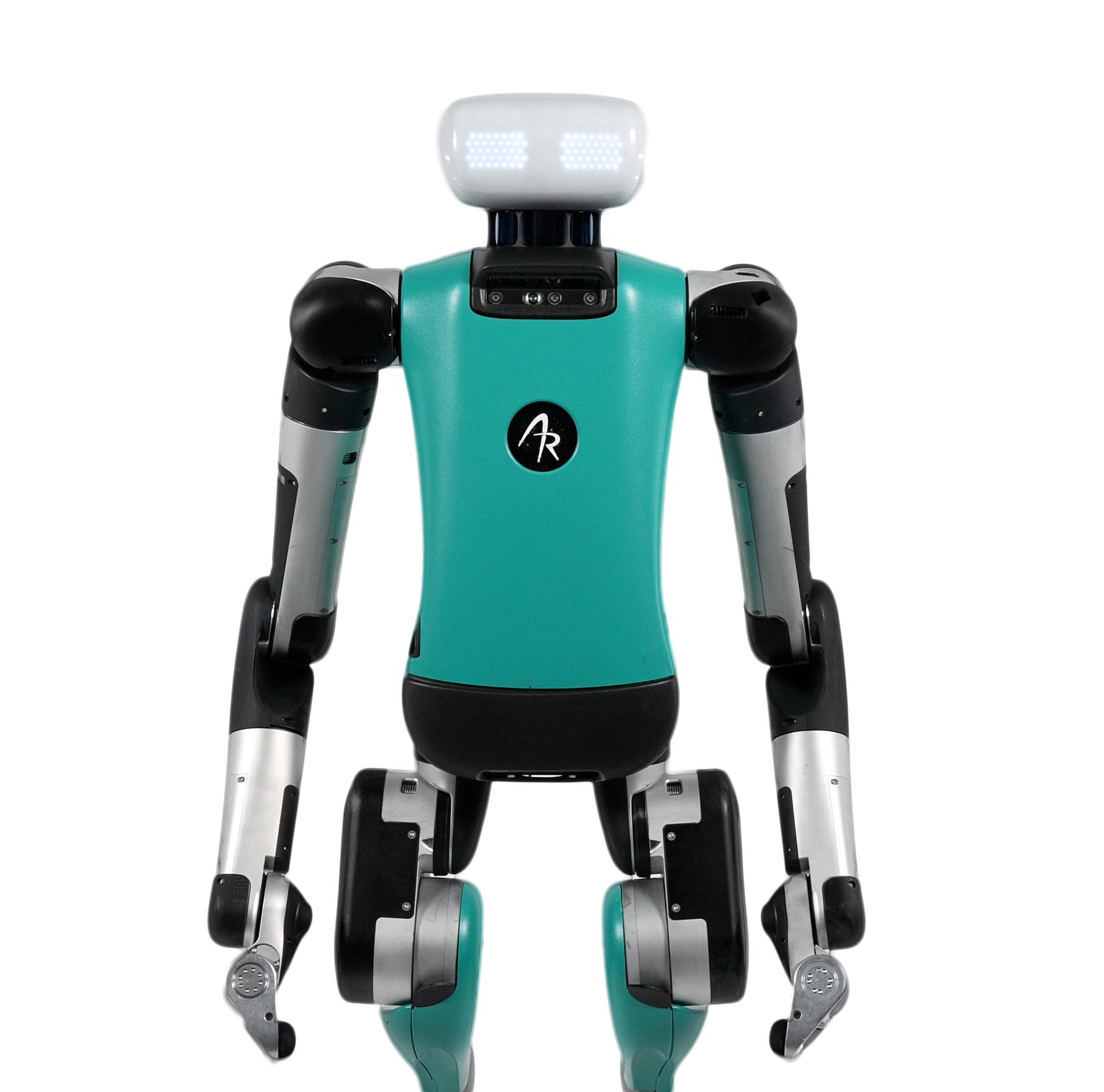
Executive summary Humanoid robots moved from labs to short-run pilots in 2024–mid‑2025, but independently verified production metrics remain scarce. What exists is a mix of vendor-reported KPIs, customer anecdotes, and a handful of measured deployments that show real value in narrow logistics and light manufacturing tasks. Across healthcare, eldercare and consumer settings the most valuable outcomes are still qualitative (ergonomics, patient satisfaction) rather than hard throughput gains. What we surveyed and methodology This boots-on-the-floor survey aggregates public disclosures, company press materials, customer statements to the trade press, and direct pilot briefings The Humanoid Race confirmed between mid‑2023 and mid‑2025. Where numbers are vendor‑reported rather than independently audited we call them out. The study focuses on confirmed pilots and short‑run deployments involving Agility Robotics (Digit), Apptronik (Apollo), Tesla (Optimus), Figure AI, 1X Technologies (NEO/EVE), Sanctuary AI, Fourier Intelligence, Xiaomi (CyberOne), UBTECH, Unitree and Boston Dynamics (Atlas demos moving toward practical tasks). Logistics: picking, goods movement, and co‑work Use case: tote-to-line picking, zone replenishment, and light goods movement in high‑value, low‑complexity flows. Agility Robotics — Digit : Marketed as a "drop‑in" biped for warehouse aisles, Digit has been used in short pilots for piece picking and carton transport. Vendor disclosures and customer testimonials indicate ~8–12 hour shifts per day in controlled aisles, with uptime commonly reported in the 80–90% range during pilot windows (vendor‑reported). Error modes included mis‑grasp on deformable packaging and path planning stalls in cluttered floor space. Integrations required WMS middleware and custom gripping tools; several pilots used guardrails and reduced forklift traffic lanes for safety. Apptronik — Apollo : Positioned as a high‑payload humanoid for goods handling and pallet manipulation, Apptronik has focused pilots on associative tasks—lifting, handing off to conveyors—rather than freeform picking. Customers reported improvements in ergonomics for repetitive handoff points and reduced breakroom injuries in initial trials. Throughput gains are modest (single‑digit percentage increases) but the ergonomic injury cost avoidance was often cited as the immediate ROI driver. Lessons learned: WMS and PLC integration remains the top friction point. Pilots universally required either a local orchestration layer or human-in-the-loop to manage exceptions. Safety fencing is still common; co‑working without physical barriers shows promise but demands mature perception and formal hazard analyses. Manufacturing: repetitive light‑assembly and cycle‑time gains Figure AI and 1X Technologies (NEO/EVE) : Both companies have concentrated pilots on repetitive insertion, screwdriving and inspection tasks. Reported error rates in pilot briefs were in the single‑digit percent per operation (vendor reported); cycle‑time reductions were achieved by running humanoids continuously on constrained tasks that tended to fatigue human workers. Customers noted better consistency but also higher per‑task setup time compared with fixed automation—making humanoids more competitive where product velocity or variety prevents expensive dedicated tooling. Tesla Optimus : Tesla publicly demonstrated Optimus prototypes at its factory environment and stated internal pilots would focus on ergonomics and cycle‑time reduction for repetitive, posture‑intensive jobs. As of mid‑2025 Tesla's factory pilots remain proprietary; there is public company material claiming early ergonomic benefits and "some cycle‑time improvements" but no third‑party audit or published throughput metrics. Failure modes: precision for screwdriving and force‑sensitive assembly still lags specialized cobots. Many pilots showed that humanoids supplement rather than replace line tooling, filling gaps where flexible biped access avoids expensive fixture redesigns. Healthcare and eldercare: trials versus proven ROI Sanctuary AI and Fourier Intelligence : Sanctuary has pursued assisted‑care pilots focusing on patient transfers and non‑clinical handling. Fourier, known for rehab robotics, ran trials where humanoid‑style manipulators provided repetitive therapy exercises. Reported pilot outcomes emphasize patient preference, consistent therapy delivery and reduced caregiver strain. Quantitative measures—hours on task, force profiles and safety incident rates—were limited to internal reports; independent clinical trials are still pending. Key issues: human safety, liability and regulatory compliance dominate. Hospitals require thorough human factors testing and signed protocols before removing staff from assistive tasks. Consumer and demo environments Xiaomi CyberOne and UBTECH : Positioned as lifestyle and companion platforms, Xiaomi’s CyberOne and UBTECH’s domestic humanoids have mostly appeared in demo showrooms and controlled consumer trials. Metrics here are engagement, perceived intelligence and demo reliability. Neither platform has reached mass commercial home rollouts; both companies use UX and social interaction as primary marketing hooks. Unitree & Boston Dynamics (Atlas) : Unitree focuses on lower‑cost dynamic legged platforms and has explored biped/anthropomorphic demos; Boston Dynamics continues to use Atlas primarily as a research and demo vehicle. Where relevant, both companies’ work has informed locomotion and balance advances that make later practical tasks possible, but neither has broad consumer humanoid deployments. Pricing, business models and competitive positioning Public pricing remains opaque. Early pilot economics fall into three models: Hardware sale + service contract: target buyers pay a high upfront capital cost (industry estimates range widely—early humanoid platforms commonly fall between approximately $50k to $250k+ in vendor comments) plus installation and maintenance SLAs. Robots-as-a-Service (RaaS): monthly subscription with guaranteed uptime and managed integration—used by vendors seeking to lower customer adoption barriers. Pilot‑to‑scale partnership: extended pilots with revenue sharing or pilot discounts in exchange for co‑development and data access. Competitive comparison highlights: Agility and Apptronik aim at pragmatic warehouse and material movement niches; their marketing emphasizes speed of integration and task specialization. Figure and 1X position on fine‑manipulation within manufacturing; they compete with specialized cobots where adaptability is the differentiator. Tesla markets Optimus as a potential high‑volume platform that could undercut incumbent prices if Tesla scales production, but independent proof is limited. Sanctuary and Fourier sell safety and ergonomics in care settings, where regulatory credibility and clinical trials will decide leadership. Verified metrics and where ROI is real today Use case Evidence of measurable ROI Typical pilot metrics (public / vendor reported) Zone replenishment / tote movement Near‑term ROI: Yes (labor substitution, reduced downtime) Uptime 80–90%, shifts 8–12 hrs, error rates single‑digit in controlled pilots Repetitive light assembly Conditional ROI: Yes for variety/high‑cost labor; not yet vs dedicated automation Cycle‑time reductions vary; error rates single‑digit in constrained tasks Patient handling / therapy Experimental: value in caregiver load reduction and consistency; hard ROI requires trials Qualitative improvement in caregiver strain; safety incidents rare in trials but small sample sizes Consumer/home Experimental: engagement metrics good, commercial ROI unproven Demo reliability key; no mass‑market economics yet Common failure modes Sensing errors in cluttered, unstructured environments (mis‑grasp, path stalls). Integration friction with WMS/PLC—lack of standardized robot APIs. Maintenance cadence and spare parts logistics not mature—vendors often require on‑site expertise during pilots. What procurement teams should ask during pilots SLA and uptime guarantees: What uptime is guaranteed and how is it measured? What are credits or remedies? Maintenance cadence & spares: Who supplies spares, response time for field service, and mean time to repair? Training & human‑in‑the‑loop requirements: What level of operator training is required for a 2‑person team to support one robot? Integration scope: Exact data interfaces (WMS, PLC, MES), middleware needs, and responsibility split for integration work. Failure modes & escape clauses: How does the robot hand back control on exceptions? What are allowed downtime workarounds? Total cost of ownership: Provide five‑year TCO, including service, consumables, expected upgrade cadence and trade‑in or migration options. "Humanoids are becoming useful in bounded, repetitive tasks where their form factor solves access and ergonomics. But vendors and buyers still need to prove durable economics beyond novelty," — industry procurement lead quoted in survey. Conclusion Short‑run humanoid pilots in 2024–mid‑2025 demonstrate pragmatic value in logistics and constrained manufacturing niches, with ergonomics and consistency emerging as early measurable benefits. Healthcare and consumer arenas show promise but need rigorous trials and regulatory pathways. For procurement teams, the next 12–24 months are about hardening SLAs, clarifying integration responsibilities, and validating TCO to separate true ROI from promising demos.