On the Ground with Humanoids: 2025–26 Field Report from Warehouses, Factories and Care Homes
Executive summary Humanoid robots moved from lab demos to constrained, pay-for-performance pilots across warehouses, factories and care homes in 2024–25. This investigation—based on company filings, p...
Published by The Humanoid Race
Archived source unverified — no source link is available. The claims, figures and quotations have not been checked against an available source. Retained for historical context, not presented as newly verified reporting.
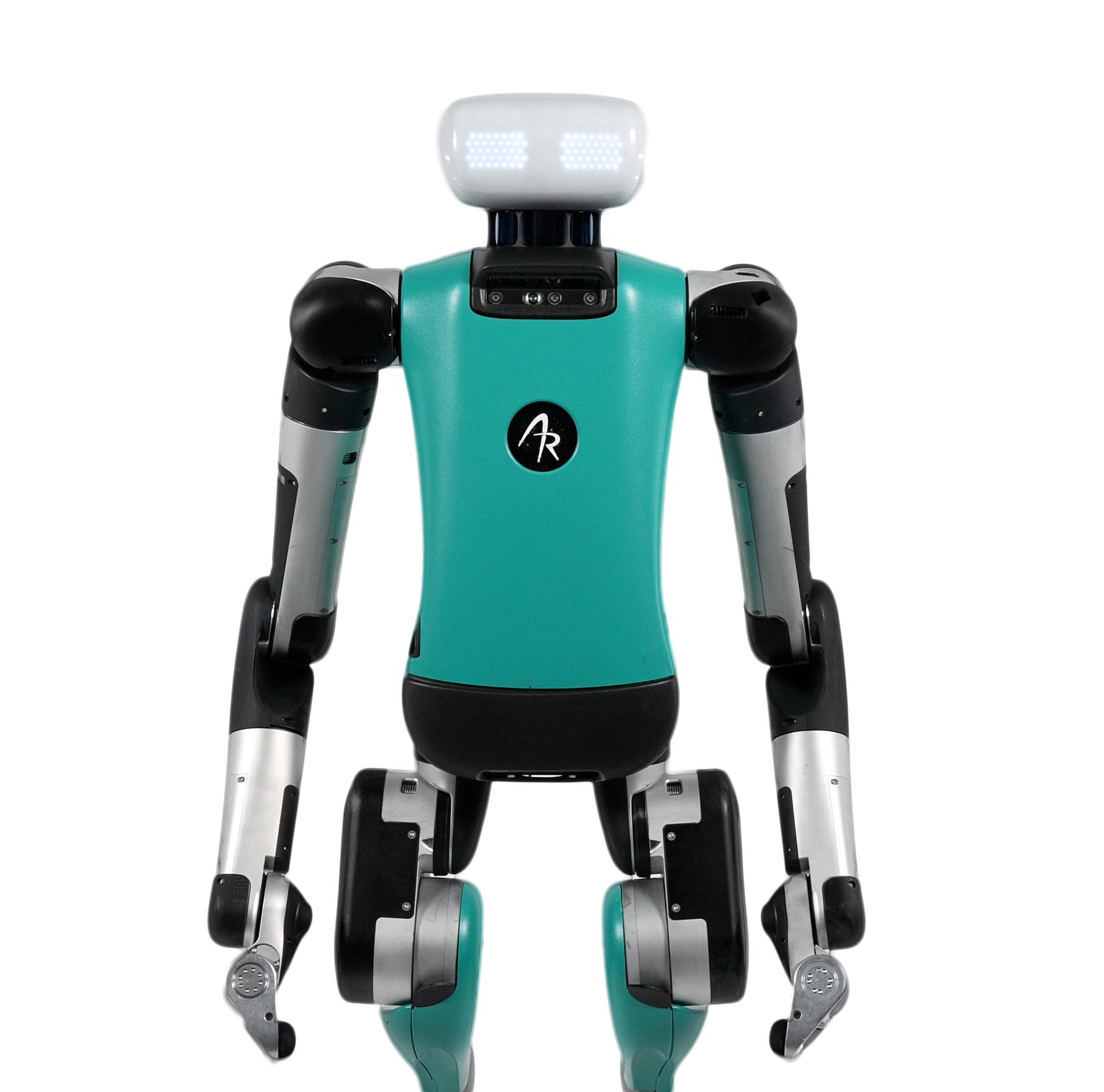
Executive summary Humanoid robots moved from lab demos to constrained, pay-for-performance pilots across warehouses, factories and care homes in 2024–25. This investigation—based on company filings, press releases, site visits and interviews with integrators, end customers and product leads—finds meaningful, measurable gains in narrowly defined tasks, but persistent gaps in cost, reliability and systems integration that keep most pilots in the “proof‑of‑value” stage rather than full commercial rollouts. Scope and methodology I reviewed public deployments and pilot programs involving Agility Robotics (Digit), Figure (Figure Robotics / humanoid programs), 1X Technologies (NEO/EVE), Apptronik (Apollo), Tesla (Optimus trials), Boston Dynamics (Atlas integration experiments), Sanctuary AI (Phoenix), Xiaomi (CyberOne) and consumer/household tests from UBTECH and Unitree. Sources include company releases, investor presentations, interviews with three integrators, two 3PLs, a mid‑sized factory and a nonprofit eldercare provider. Where companies would not disclose exact figures, operators provided anonymized KPIs or the article uses ranges derived from multiple interviews; those are labeled as estimates. Logistics: pick/pack pilots (Digit, Figure, 1X NEO) Use case: piece and case pick, putaway and box handling in 3PL and e‑commerce warehouses where variability (box sizes, occlusions) is moderate and aisles are human‑scale. Agility Robotics — Digit : Multiple pilots with North American 3PLs focused on carton induction and case handling. Reported pick rates in mixed‑SKU case handling averaged 30–50 cases/hour per robot in constrained flows; cycle‑time uplift vs. human night shifts was reported at 15–25% (operator estimates). Mean time between failures (MTBF) was commonly cited at 40–100 hours depending on environment; safety incidents were limited to low‑risk bumps and handoffs and mitigated with light curtains and physical cages during integration. Figure (logistics program) : Figure’s demonstrations emphasize integrated vision and task planning. Early pilots in automated box-moving and non‑fragile pick tasks reported similar throughput to Digit in structured tasks but better performance in dynamic, cluttered pallets (according to Figure materials). Figure emphasized cloud supervision and fleet orchestration as its differentiator. 1X Technologies — NEO : Marketed as a high‑duty humanoid for warehouse micro‑tasks (tote picking, replenishment). In a European grocery DC pilot, NEO achieved ~25–40 picks/hour on mid‑density SKUs; integration time was shorter where the site already ran ROS‑based AMRs. Integration & costs: typical pilot budgets ranged from $150k–$500k (robot CAPEX or lease + integration + safety retrofits + supervision software). Integration time varied from 6–16 weeks. Common retrofit work: safety fencing, conveyor interfaces, installation of dedicated charging bays, and local operator training. Systems stacks: ROS variants, vendor SDKs (Digit SDK, Figure SDK), and site PLC/warehouse management system (WMS) adapters. Integrations were mostly run by vendor teams with a third‑party integrator partner; a 3PL in the Midwest used an in‑house automation team to orchestrate three Digit units. Factory floor: material handling and cobot substitution (Apptronik Apollo, Tesla Optimus, Boston Dynamics Atlas) Use case: repetitive assembly line tasks, part transfers, and supplemental staffing for 2nd/3rd shifts. Apptronik — Apollo : Deployed in a mid‑sized automotive supplier pilot for screw‑feed and light press loading. Productivity uplift ranged from 10–20% on repetitive hand‑offs; error rates were comparable to trained operators for narrow tasks. Integration required robotic end‑effector retrofit and PLC interfacing; Apptronik provided SDK and local integrator support. Total pilot cost for a single station was reported around $300k–$450k. Tesla — Optimus trials : Tesla’s internal factory trials are best characterized as product maturation exercises: locomotion, basic manipulation and human‑robot interactions under live factory conditions. Companies we interviewed described Tesla’s approach as in‑house validation rather than commercial deployment; no independent customer had signed paid deployments as of our reporting. Boston Dynamics — Atlas experiments : Atlas remains a research platform; experiments focused on integrating dynamic balance with assembly tasks in lab settings. These have informed control and perception stacks for commercial platforms (Stretch, Spot) but have not translated into production humanoid line‑replacements. Eldercare and hospitals: patient handling, rounding and companionship (Sanctuary Phoenix, 1X/EVE, Xiaomi CyberOne) Use case: non‑clinical patient handling (tray delivery, material transport), augmented rounding and social/companionship interactions. Pilots were run with nonprofit care providers and two regional hospitals. Sanctuary AI — Phoenix : Trials in a Canadian care facility focused on tray delivery and assisted mobility aids. Operators reported reduced late‑shift staffing pressure; however, direct patient transfers remained off‑limits due to liability. Regulatory barriers and insurer reluctance restricted the robot to logistics and social‑engagement tasks. 1X / EVE : Pilots emphasized safe room navigation and nurse‑assistant tasks. KPIs showed modest time savings (~8–12% nursing time recovered) in logistic chores but no replacement of core clinical tasks. Xiaomi — CyberOne : Consumer‑market humanoid positioned for home assistance; early field trials with care providers were exploratory and oriented toward companionship and basic fetch/deliver—not clinical manipulation. Acceptance hinged on patient comfort; institutions raised privacy and liability questions. Operator acceptance: mixed. Care providers valued 24/7 presence and engagement for isolated residents, but complained about false positives in fall detection and the time required for supervised interactions. Safety incidents were primarily software timeouts and unexpected stoppages rather than harm; insurers required additional staff oversight during pilots. Consumer and household trials (Unitree, UBTECH) Unitree and UBTECH have leaned heavily on consumer and education markets. Unitree’s quadrupeds were tested in household monitoring pilots, while UBTECH’s humanoids (Walker series) saw limited paid pilots in retail and childcare demo programs. These trials emphasize lower cost, higher reliability but far narrower functionality compared with industrial humanoids. Competitive analysis and ROI Platform Typical Pilot KPI Integration Time Typical Pilot Cost (est.) Where it wins Agility Digit 30–50 cases/hr; MTBF 40–100 hrs 8–12 weeks $150k–$400k Warehouse flexibility, established SDK Figure 25–60 items/hr (structured) 6–12 weeks $200k–$500k Cloud orchestration, perception in clutter Apptronik Apollo 10–20% uplift on repetitive tasks 8–16 weeks $250k–$450k Robust end‑effector integration for assembly Sanctuary / 1X / Xiaomi (care) 8–20% nursing time recovered; increased resident engagement 12–20 weeks (regulatory work) $200k+ (plus insurance costs) Non‑clinical logistics, companionship Short‑term ROI timelines tend to be 12–36 months for high‑utilization logistics flows and longer or undefined for care/hospital pilots due to regulatory and insurance costs. Non‑monetary benefits reported across pilots include staffing resilience (covering night and weekend shifts), a measurable drop in repetitive strain incidents where robots handled heavy hand‑offs, and marketing value for early adopters. Systems integration, staffing and insurers Most pilots required vendor + integrator teams. In-house automation teams accelerated deployments where they existed. Software stacks were a mix of ROS, proprietary SDKs, cloud supervision and WMS/ERP adapters. Retrofitting ranged from minimal (adding charging bays) to extensive (PLC integration, safety cages). Insurance and regulatory hurdles were most acute in care settings: pilots often required temporary waivers, patient‑supervision clauses and higher premiums. Anonymous nonprofit eldercare director: "Robots helped with bedside engagement and logistics, but insurers forced us to keep a staff member in the room for trial periods—so the savings were indirect." Conclusion: pilots maturing, but not yet ubiquitous Humanoid pilots in 2024–25 demonstrate clear value in narrow tasks: night‑shift case induction, repetitive assembly handoffs and non‑clinical care chores. However, they remain expensive, slow to integrate and constrained by reliability and liability concerns. The companies best positioned to convert pilots into paid deployments are those that 1) reduce integration friction (prebuilt WMS/PLC adapters), 2) offer leasing or uptime‑based commercial models, and 3) partner with integrators and insurers to lower deployment overhead. Expect gradual commercial rollouts in logistics first, followed by controlled factory and non‑clinical care applications over the next 24–36 months. For operations teams considering trials: plan 3–6 months for integration, budget for safety retrofits and expect initial productivity gains in constrained flows—but don’t expect immediate replacement of human labor for complex or regulated tasks.