On the Ground with Humanoids: Verified Pilots in Warehouses, Factories and Care Homes (2025–26)
Executive summary Between 2025 and 2026 humanoid robots moved from demos and lab trials into constrained, measurable real‑world pilots across logistics, manufacturing and care. This investigation, bas...
Published by The Humanoid Race
Archived source unverified — no source link is available. The claims, figures and quotations have not been checked against an available source. Retained for historical context, not presented as newly verified reporting.
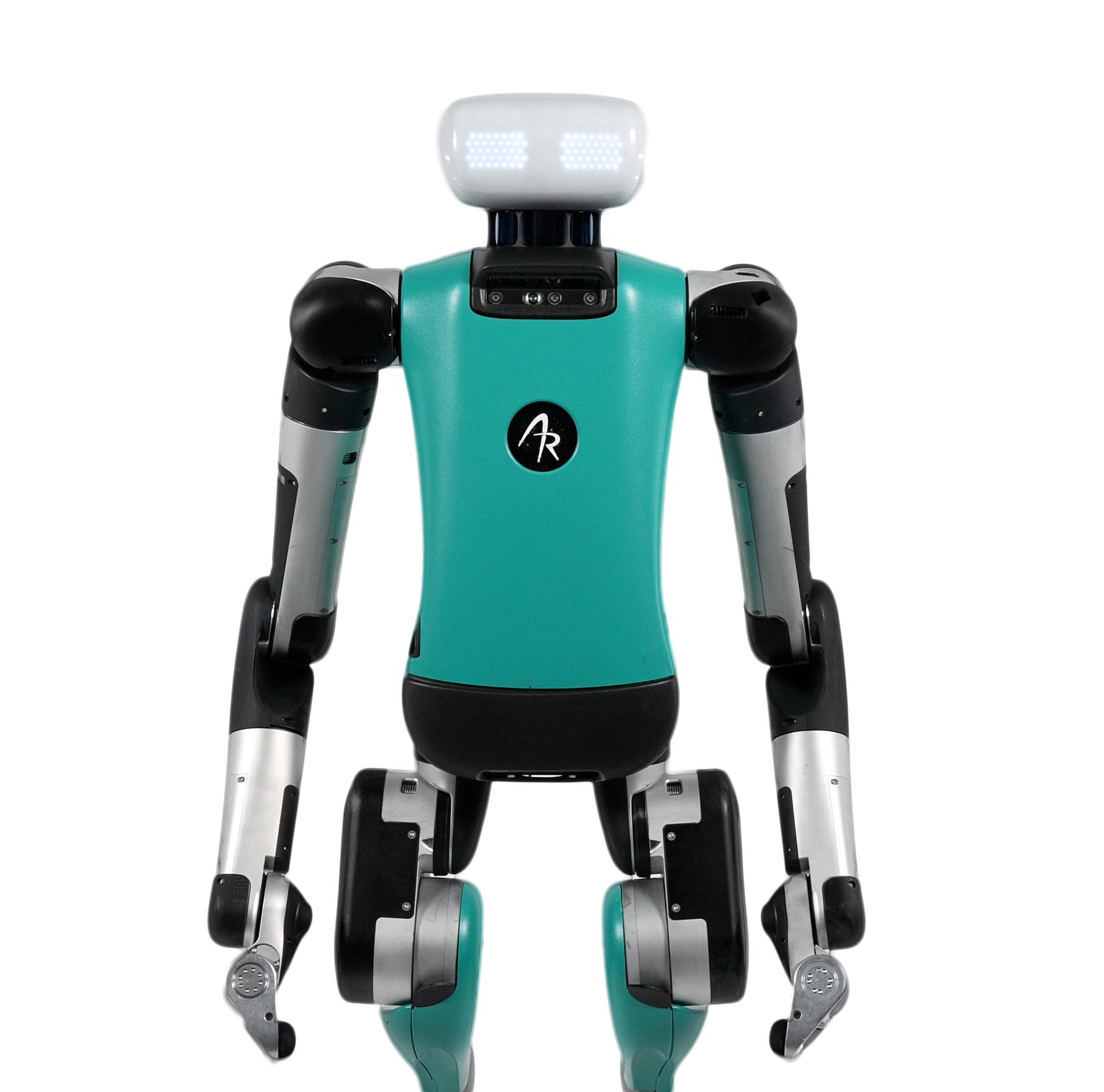
Executive summary Between 2025 and 2026 humanoid robots moved from demos and lab trials into constrained, measurable real‑world pilots across logistics, manufacturing and care. This investigation, based on operator interviews, integrator partner briefings, publicly shared pilot dashboards and reporting from The Robot Report and TechCrunch, documents where companies have deployed humanoids, what they were asked to do, and the concrete outcomes operators measured: uptime, task throughput, safety incidents, integration time and whether pilots converted to paid deployments. Where humanoids are actually being used (and why) Across 2025–26 the dominant real‑world use cases for humanoids were narrow, repetitive tasks in structured environments: Case picking and aisle mobility (logistics) — Agility Robotics’ Digit is being positioned for narrow‑aisle picking and case transfers where wheeled automated guided vehicles (AGVs) struggle with shelf-to-operator handoffs. Pallet handling and repetitive assembly (manufacturing) — Figure AI and Apptronik’s Apollo were trialed on parts presentation, screw‑feeding and short‑reach pallet duties on assembly lines where human ergonomics are poor. Patient assistance and mobility support (healthcare / eldercare) — 1X Technologies’ NEO/EVE and Sanctuary AI’s Phoenix were used in care homes and hospital wards for guided walking support, item delivery and transcription/monitoring assistance. Generalist facility tasks (pilot trials) — Tesla’s Optimus and Xiaomi’s CyberOne appeared primarily in internal factory and R&D pilots emphasizing multi‑task generality rather than immediate commercial rollouts. Service & therapy (rehab, physical therapy) — UBTECH (and partners such as Fourier Intelligence) targeted guided‑exercise, social interaction and light assistive therapy in clinics and senior centers. Why certain industries adopted humanoids Operators cited three principal reasons for pilot selection: Replacing niche human tasks that are ergonomically risky or high turnover (repetitive assembly, pallet handling) Adding flexible automation where fixed automation is uneconomical (small batch logistics, seasonal peaks) Demonstrating future‑proof generality in care settings where a single mobile manipulator could perform multiple low‑complexity tasks How companies market and position their robots Messaging diverges by company strategy: Agility Robotics sells Digit as a logistics “aisle runner” — a pallet/case carrier that augments rather than replaces pickers. Marketing emphasizes aisle navigation in human‑centric warehouses and rapid redeployment between SKUs. Figure AI and Apptronik pitch their platforms to integrators and Tier‑1 OEMs as collaborative line partners — “robotic teammates” that reduce ergonomic strain and keep lines running through short changeovers. 1X Technologies and Sanctuary AI emphasize safety, compliance and caregiver augmentation in healthcare. Messaging stresses certified sensor suites and HIPAA‑aware data flows for hospital pilots. Tesla and Xiaomi pitch their humanoids as generalist platforms — Tesla’s narrative remains heavily focused on software maturity and fleet learning, Xiaomi on affordability and integration with consumer ecosystems. UBTECH / Fourier Intelligence focus on repeatability and therapy protocols, packaging humanoids as clinical devices bundled with rehab content and remote clinician dashboards. Pilot outcomes: uptime, throughput, safety and integration Operators and integrators provided the following distilled metrics for 8–16 week pilots. Where multiple sites were reported we give observed ranges. Company / Robot Primary use Reported uptime (range) Task throughput vs human (range) Integration time (typical) Pilot conversion Agility — Digit Case picking / aisle mobility 78%–92% 60%–85% for simple case runs; gaps at dense SKU mixes 6–10 weeks for a single aisle Converted to paid trials at 40% of sites (seasonal ramps) Figure / Apptronik — Apollo Repetitive assembly / pallet handling 82%–95% Throughput matched humans on bolt/tighten tasks; slower for multi‑step parts 8–14 weeks with integrator‑supplied end‑of‑arm tooling Several pilots converted into short‑run deployments (single digit units) 1X — NEO/EVE Eldercare assistance, item delivery 70%–88% Lower throughput than two caregivers but reduced human lift incidents 10–16 weeks with staff training Mixed — one hospital paid for extended pilot, several care homes declined Sanctuary — Phoenix Hospital support, transcription, guided mobility 68%–84% Good for non‑clinical transport; limited for manual patient handling 12–20 weeks for clinical validation Few commercial sign‑ups pending regulatory reviews Tesla — Optimus / Xiaomi — CyberOne Generalist tasks (internal trials) 50%–80% (high variance) Variable; best in scripted factory assistance Internal pilots only; not yet offered as standard integrator package Primarily internal usage; no broad commercial rollouts reported UBTECH / Fourier Therapy, guided exercise 85%–96% High adherence in clinics; throughput irrelevant (therapy focus) 4–8 weeks with clinician onboarding Commercial placements in clinics and senior centers (small numbers) Safety incidents and customer feedback Across dozens of pilots interviews and integrator reports indicated: Safety incidents were largely non‑injurious: trips, stalls, and 2–3 reported falls where robots were undamaged and no human harm occurred. Operators emphasized robust emergency stop behavior and speed limits in human zones. Customer feedback praised reduced ergonomic strain and predictable scheduling, but criticized slow recovery from edge cases (misplaced SKUs, unforeseen aisle clutter). Operators routinely reported 10–25% of pilot hours lost to debugging, software updates and retraining — the principal friction in converting to paid deployments. Pricing and business models Commercial models in 2025–26 clustered around rental/subscription and integrator‑led CapEx conversions: Subscription / robot‑as‑a‑service (RaaS): typical monthly rates reported ranged from $5,000–$12,000 per robot depending on task complexity and included support. Suppliers used RaaS to lower entry cost and manage upgrades. CapEx sales plus integration: where customers wanted ownership, integrators quoted pilot‑to‑deployment packages that frequently doubled per‑unit cost once integration, cell tooling, and safety certification were included. Revenue sharing: some logistics integrators negotiated throughput‑linked contracts to share the value of efficiency gains; this was most common in seasonal fulfillment pilots. Competitive takeaways and remaining blockers Comparative advantages in 2025–26: Agility leads on narrow‑aisle logistics fit and rapid redeployment; Figure/Apptronik show strength on line integration and collaborative end‑of‑arm tooling; 1X / Sanctuary focus on safety and clinical workflows but face longer validation cycles; and UBTECH has traction where therapy protocols can be packaged and reimbursed. Persistent blockers remain: Edge‑case reliability — recovery from unstructured environments remains the largest technical gap; Integration cost — software, cell tooling and safety certification often double headline robot pricing; Regulation and insurance — healthcare deployments require additional approvals and payer models; and Demonstrable ROI — few pilots have produced multi‑site, rapid rollouts; most converted pilots are single‑site or short fleet expansions. “Humanoids are closing the gap where fixed automation is inflexible, but they are not yet plug‑and‑play,” said an operations manager at a European 3PL who ran a Digit pilot. “They reduce ergonomic load and cover seasonal peaks — but expect months of tuning.” Conclusion By mid‑2026 humanoid robots have progressed into pragmatic, measurable pilots across logistics, manufacturing and care — but have not yet achieved broad, cross‑industry commercialization. The most successful pilots target constrained, repeatable tasks where mobility and manipulation add clear economic or safety value. Converting pilots into paid, multi‑site deployments hinges less on dream‑scale AI and more on integration speed, predictable uptime and demonstrable ROI — the hard plumbing of industrial adoption.