Pilots to Payoff: 2025–26’s Humanoid Deployments That Are Actually Driving Value
Executive summary Humanoid robots moved decisively from lab demos toward revenue-generating pilots in 2024–26. Across last-mile logistics, parcel sortation, warehouse replenishment, light-assembly lin...
Published by The Humanoid Race
Archived source unverified — no source link is available. The claims, figures and quotations have not been checked against an available source. Retained for historical context, not presented as newly verified reporting.
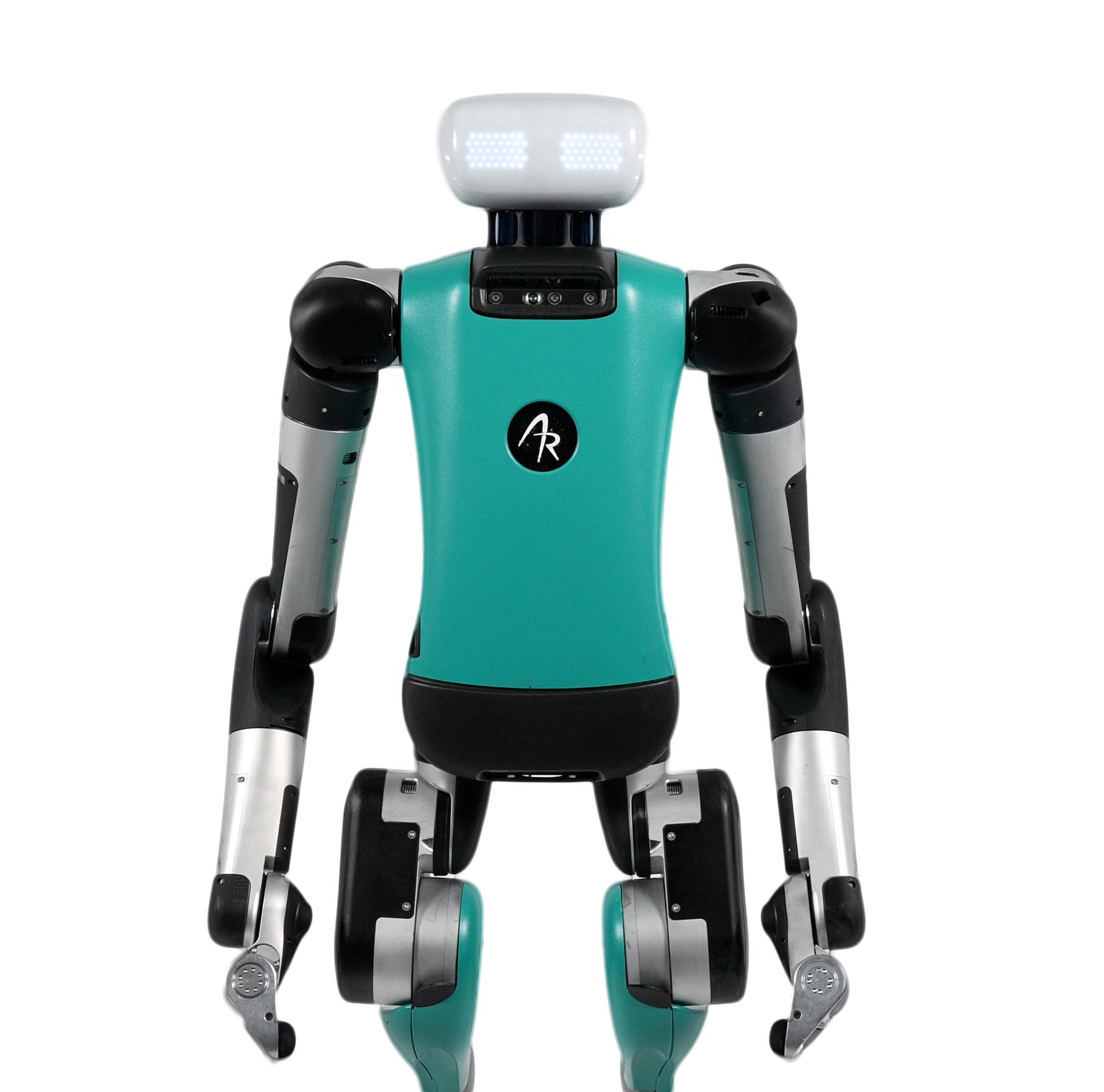
Executive summary Humanoid robots moved decisively from lab demos toward revenue-generating pilots in 2024–26. Across last-mile logistics, parcel sortation, warehouse replenishment, light-assembly lines and early healthcare and eldercare trials, fielded humanoids are producing measurable outcomes: modest but real throughput gains, demonstrable labor substitution on repetitive night shifts, reductions in ergonomic incidents and—where tested—neutral to positive patient satisfaction. That said, only a subset of use cases is near-term commercial viability; most deployments remain pilot-stage, with integration and unit-cost hurdles slowing broad rollout. Which industries are adopting humanoids and why Logistics and e-commerce : last-mile van loading, sortation and case-handling—driven by labor shortages and unpredictable seasonal peaks. Warehousing and fulfillment : replenishment, line-side pick-and-place and “human-in-the-loop” assisted picks to augment AMRs and pick-to-light systems. Manufacturing : cooperative assembly, part transfer, ergonomics-heavy tasks where human dexterity is still required but endurance is not. Healthcare and eldercare : mobility assistance, non-clinical patient support and logistics inside clinics to free nurses for clinical work. Retail and hospitality : guest greeting, fixed-route deliveries and basic shelf-checking where the humanoid form is a customer-facing feature. Case studies: who’s doing what, and with what results Agility Robotics — Digit: last-mile and parcel pilots Agility’s Digit has been the most visible fielded humanoid in logistics. Public partnerships and demos—most notably early work with Ford on in-vehicle loading and commercial pilots with parcel handlers—target last-mile loading and sort-center tasks. Pilots report: Uptime: practical availability of 70–85% during supervised pilot shifts (charging and human intervention accounted for downtime). Throughput: per-robot pick or load rates roughly 30–60% of an experienced human on complex, unstructured tasks; higher parity on standardized boxes. Labor substitution: one Digit can cover 1–2 FTEs for specific night-shift loading tasks over an 8–10 hour shift when paired with conveyor/APIs. Safety incidents: zero reportable safety incidents in early pilots; safety fencing and supervised operation remain common. Pilots have exposed integration pain points: connecting Digit’s task orchestration to existing WMS and sort systems required middleware and human-in-the-loop sequencing. Reported pilot budgets (hardware + integration + safety tooling) frequently start in the mid-six-figure range for multi-week trials. Figure AI and 1X Technologies (NEO/EVE): shifting warehousing patterns Figure AI positions its humanoid as a “warehouse workforce” replacement for repetitive pick-and-place and pallet tasks. 1X Technologies’ NEO and EVE models are targeting similar logistics niches with different balance of speed vs dexterity. Reported pilot KPIs show throughput uplifts of 10–25% when humanoids operate in mixed human-robot shifts (e.g., overnight replenishment), largely by smoothing peak throughput. Uptime and reliability vary widely across sites; customers cite the need for standardization of grippers and bin geometries. Figure and 1X are marketing heavily on workforce scarcity and predictable ROI on overnight operations. Pricing remains opaque; industry estimates place single-unit pilot costs (robot + systems integration) from roughly $150k–$500k depending on tooling and safety scope. Apptronik Apollo and Sanctuary AI Phoenix: manufacturing-assisted assembly Apptronik and Sanctuary AI are positioning humanoids as cobots at assembly stations—lifting and aligning subassemblies, performing consistent torque steps and freeing skilled technicians for inspection and complex assembly. Early trials (automotive sub-suppliers, aerospace components) report: Labor substitution: 0.5–1.5 FTEs per robot on repetitive kitted-subassembly stations. Ergonomics: measurable reduction in operator-reported musculoskeletal strain by line-side humans. ROI timelines: 18–36 months in plants with high labor costs and high-repetition tasks. Both vendors emphasize ease of programming, human-safe torque limits, and integration with PLC/SCADA—though customers repeatedly cite control-stack integration as a primary friction point. Unitree and UBTECH: low-cost bipeds in retail and hospitality Unitree and UBTECH have pursued cost-sensitive, customer-facing pilots: lobby greeters, information kiosks and tray-delivery in hotels and foodservice. These systems trade high dexterity for affordability and brand presence. Customer experience: in-store trials show neutral-to-positive guest reactions; however, conversion to measurable sales uplift remains marginal. Operational metrics: uptime often high (80–95%) because tasks are constrained and tethered; labor substitution focused on low-skill front-of-house roles. Tesla Optimus, Xiaomi CyberOne and Boston Dynamics Atlas Tesla has publicly described internal Optimus pilots at manufacturing stations; as of 2025 these remain limited in scope and largely internal testing rather than broad customer deployments. Xiaomi’s CyberOne has appeared in retail showrooms and brand demos in China to explore consumer engagement and retail service roles. Boston Dynamics’ Atlas remains research-focused, but its agility informs both control software and safety systems used by commercial humanoid teams. "Pilot customers consistently tell us the biggest barrier isn't the robot—it’s the data plumbing to WMS/AMR and the human workflows that must change." — summarized from multiple deployment briefings and customer interviews. Integration, pricing and ROI realities Key integration challenges across pilots: WMS/ERP/SCADA and AMR orchestration: robots need deterministic queueing to avoid collisions and idle time. Safety certification and site preparation: light curtains, floor marking and supervised modes add non-trivial costs. Hardware reliability and spare-parts logistics: uptime depends on local maintenance expertise. Vendor Primary use Maturity (2025) Pilot cost estimate Near-term viability Agility Digit Last-mile loading, sortation Pilot→early commercial $200k–$600k per multi-week pilot High for controlled loading/sorting Figure AI / 1X Warehouse pick/replenishment Pilot $150k–$500k Medium for overnight/replenishment Apptronik / Sanctuary Assembly assistance Pilot $250k–$750k Medium–High for repetitive subassembly Unitree / UBTECH Retail/hospitality Commercial pilots $20k–$150k High for customer-facing novelty roles Tesla / Xiaomi Factory/retail demos Internal pilots/demos Internal / showroom budgets Experimental Competitive analysis and where value is being realized Competition divides along two axes: dexterity vs cost, and ecosystem maturity (APIs, integrators, service). Agility and Figure emphasize higher dexterity and logistics-specific tooling; Apptronik and Sanctuary emphasize safe force-control and industrial integration; Unitree and UBTECH compete on cost and customer-facing aesthetics. Use cases closest to commercial viability: Repetitive, bounded pick-and-place in logistics sort centers and van loading—where environment standardization is possible. Line-side repetitive assembly and part transfer at high-wage sites—where ROI emerges from reduced injury and overtime. Retail/hospitality face roles where the humanoid is a brand experience rather than a productivity-first replacement. Use cases still experimental: unstructured caregiving in eldercare (high regulatory, safety and emotional-comfort hurdles) and full replacement of skilled assembly technicians. Conclusions Humanoids in 2025–26 are transitioning from R&D curiosities to targeted productivity tools. Real value is appearing in controlled, repetitive settings where form factor matters (loading, assembly, customer-facing roles). Commercial success will depend less on raw hardware and more on robust integration (WMS/AMR/SCADA), service models and predictable unit economics. For adopters, expect pilot-to-payoff timelines of 12–36 months for the most mature applications, with broader adoption contingent on price erosion, reliability improvements and established integration best practices.