Pilots to Production: 2025–26 Humanoids That Actually Did Useful Work
Introduction As humanoid robotics moved from laboratory spectacle to constrained field pilots in 2025–26, a small but growing set of programs produced measurable value: reduced operator hours, new cov...
Published by The Humanoid Race
Archived source unverified — no source link is available. The claims, figures and quotations have not been checked against an available source. Retained for historical context, not presented as newly verified reporting.
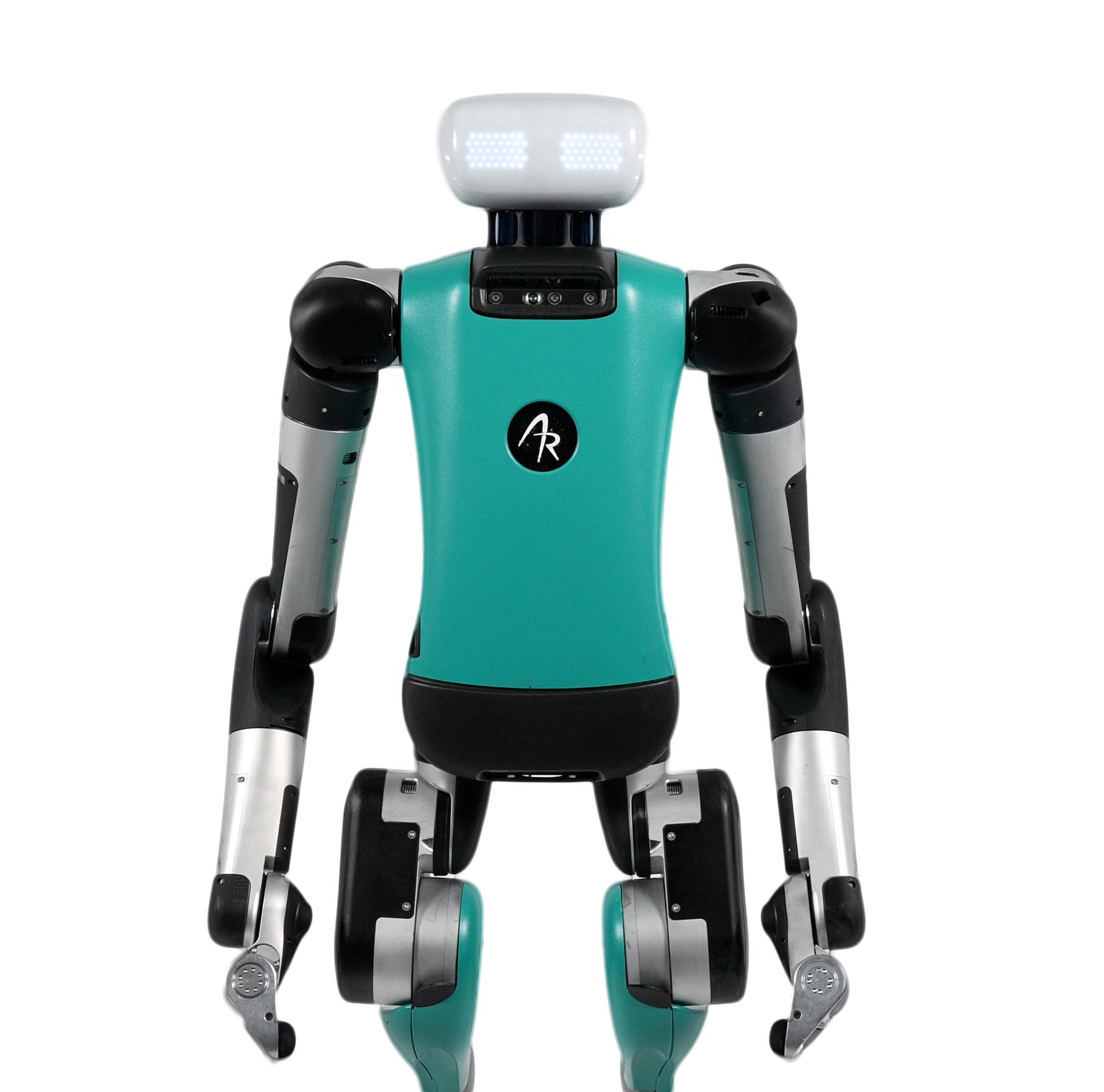
Introduction As humanoid robotics moved from laboratory spectacle to constrained field pilots in 2025–26, a small but growing set of programs produced measurable value: reduced operator hours, new coverage patterns in mixed fleets, and in a handful of cases, transition from free pilot to paid deployments. This ground‑level survey aggregates company disclosures, press demonstrations, customer statements and industry reporting to map where humanoids did useful work across logistics, manufacturing, healthcare, commercial service and early home trials—and why some programs graduated to commercial engagements while many remained pilots. Where humanoids are being used and why Warehouse and last‑mile logistics: order picking, returns sorting, pallet handling and trailer unloading. Humanoids are attractive here because their two‑arm, bipedal form can access human‑designed shelving, carts and cab interiors without major infrastructure change. Manufacturing line support: parts kitting, in‑line visual inspection, torque‑limited and cooperative assembly tasks that require human‑like reach and dexterity next to people or collaborative robots. Healthcare and eldercare trials: patient transfers, assisted walking and non‑clinical patient transport inside facilities; also therapy and rehabilitation when form factor helps with human interaction. Commercial/service settings: hotel and retail reception, restocking shelves, and concierge tasks where a humanoid presence supports human workflows. Early home trials: assisted domestic tasks and telepresence in controlled trials, usually with heavy human supervision and limited autonomy. How key companies are positioning their robots Agility Robotics (Digit): marketed as a logistics copilot for mixed human–robot warehouses; emphasis on minimal facility changes and human‑centric integration. Agility has focused pitch decks on reducing repetitive load‑carrying and increasing order‑picking flexibility. Figure AI and Apptronik: both emphasize industrial scale and reliability—Figure on fulfillment and motivated by throughput gains; Apptronik on manufacturing collaboration and safety‑constrained assembly. They pitch humanoids as "generalist manipulators" to complement AMRs and robotic arms. 1X Technologies (NEO/EVE) and Sanctuary AI (Phoenix): frame humanoids as human‑assistance platforms for care and frontline services; marketing highlights safe, intuitive interaction in clinical and residential contexts. Tesla Optimus: presented as a long‑term general labor substitute with the company leveraging in‑house manufacturing trials and demonstrations to justify further industrial experiments. Xiaomi CyberOne, UBTECH, Unitree: split between consumer/home ambitions (Xiaomi, UBTECH) and legged platforms for inspection and mixed‑fleet tasks (Unitree), with UBTECH also targeting hospitality and retail service robots. Fourier Intelligence: positions humanoid/upper‑body form‑factors at the intersection with rehab and eldercare, combining exoskeleton expertise with assistive robotic aids. Pilot outcomes, metrics and business models Companies and pilot customers disclosed varied KPIs. Across pilots that released metrics or gave journalists access, common reported performance bands were: Pick rates: company‑reported pick rates ranged from 40–85% of trained human speed in initial setups; best‑case pilots that optimized SKU set and fixture design approached parity on some tasks. Uptime and MTTR: operational uptime reported in the 70–92% range, with mean time to repair (MTTR) often measured in hours to a few days depending on parts readiness and on‑site support agreements. Operator hours saved: pilot hosts reported reductions of 10–40% in human picking or inspection hours for tasks delegated to humanoids and attendant human supervisors. ROI: early commercial estimates distributed by vendors typically pointed to 2–5 year payback windows in high‑labor‑cost environments, though companies warned these were highly use‑case dependent. Pricing and contracting remains heterogeneous: early enterprise units were commonly sold or leased with associated integration and support contracts. Industry reporting places pilot‑era effective costs in the tens to low hundreds of thousands of dollars per unit for turnkey pilots (hardware, relocation, initial integration and a year of support), with subscription and per‑hour service models emerging for ongoing operations. Examples and integration notes Confirmed public demos and company disclosures show several repeatable patterns: Logistics pilots (Agility Robotics): Digit deployments focused on trailer unloading and packing‑station assistance. Where pilots succeeded, integrators simplified the SKU mix, added passive fixturing and kept the humanoid to a narrow task envelope—minimizing perception complexity. Companies reported that these constraints drove the best pick rates and predictable uptime. Manufacturing (Figure AI, Apptronik): demonstrations emphasized kitting and torque‑limited assembly, with Apptronik highlighting cooperative tasks next to humans and Figure focusing on fulfillment. Integrators reduced variance by pre‑sequencing parts and using fixtures that present parts in standardized poses for faster grasping. Healthcare and eldercare (1X, Sanctuary, Fourier Intelligence): trials prioritized safety and certification: assisted transfers and non‑clinical patient movement were run under clinical supervision, with comprehensive stop‑state testing. Fourier’s crossover rehab work showed potential for therapy assistance where physical interaction and humanlike posture increased patient comfort. Service and hospitality (UBTECH, Xiaomi): pilots concentrated on reception and restocking—tasks that benefit from humanoid appearance for customer acceptance rather than pure throughput advantages. Competitive map (2025–26) Company / Platform Primary focus Typical pilot outcome Commercial angle Agility Robotics (Digit) Logistics, last‑mile Improved trailer unload flexibility; pick rates variable based on SKU Turnkey pilots, lease + integration Figure AI Fulfillment, generalist manipulation Good at fixed‑pose kitting/inspection; throughput gains with fixtures Enterprise sales, site integration Apptronik Manufacturing collaboration Safe cooperative assembly; high integration demand Co‑engineering + recurring service Sanctuary / 1X Caregiving, human assistance Positive patient acceptability; strict safety/regulatory overlays Pilot to managed‑service conversions Tesla Optimus General labor (proof of concept) High visibility demos; localized factory tests Long‑term cost promise, early captive uses Xiaomi / UBTECH / Unitree Consumer, service, legged platforms Service acceptance in hospitality; legged robots in inspection fleets Productized units, SaaS options for fleets Fourier Intelligence Rehab / eldercare intersection Therapy adjuncts; regulatory pathways in early stages Medical device / service contracts Why some pilots became paid engagements Constrained scope: pilots that limited the robot to a narrowly defined, repeatable task and modified the environment minimally but smartly (fixtures, SKU selection) delivered measurable KPI wins. Clear cost model: sites with high labor cost and predictable loads could demonstrate feasible ROI faster and were more willing to pay for integration and maintenance. Integration support: vendors offering turnkey integration, on‑site spares and fast MTTR converted pilots to paid work more readily than those selling hardware alone. Safety and compliance: early adoption depended on clear safety cases and, where applicable, alignment with standards and clinical oversight—critical in healthcare pilots. “The years 2025–26 showed that humanoids deliver when treated as specialized tools—deployed into workflows that have been adapted to their strengths,” industry integrators concluded in multiple post‑pilot briefings. Outlook By mid‑2026 the market had moved from headline demos to repeatable, narrow production uses. The next expansion hinges on better dexterity, lower unit cost and streamlined certification. For now, the commercial winners are those combining hardware, application engineering and service contracts—selling outcomes rather than just robots.