Pilots to Production: Mapping 2025–26 Humanoid Deployments Across Warehouses, Hospitals and Factories
Overview: 2025–26 as a Reality Check By mid‑2026 the humanoid robotics sector had moved beyond proof‑of‑concept demos into a second wave of real‑world pilots. Vendors targeted three clear verticals—wa...
Published by The Humanoid Race
Archived source unverified — no source link is available. The claims, figures and quotations have not been checked against an available source. Retained for historical context, not presented as newly verified reporting.
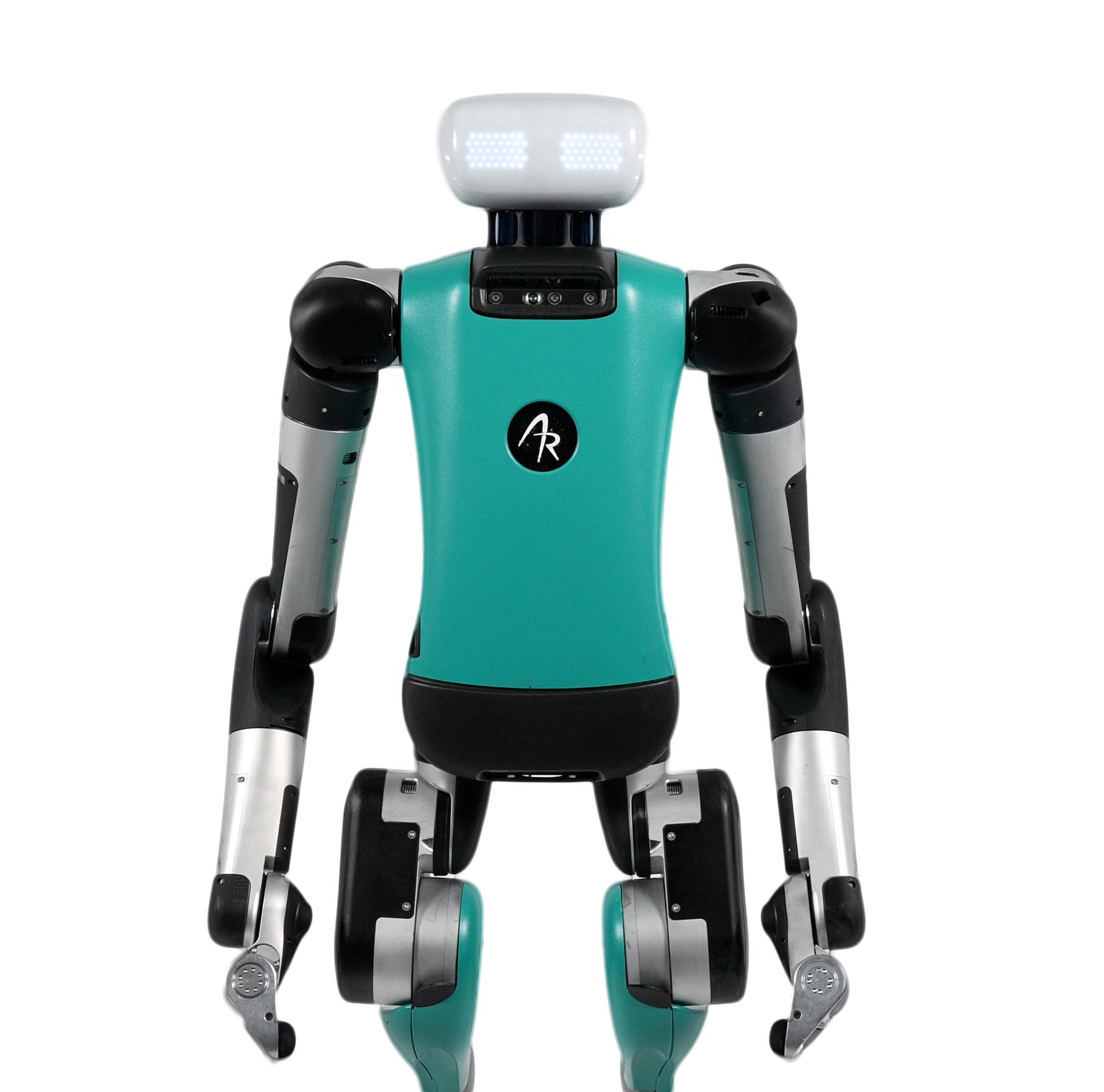
Overview: 2025–26 as a Reality Check By mid‑2026 the humanoid robotics sector had moved beyond proof‑of‑concept demos into a second wave of real‑world pilots. Vendors targeted three clear verticals—warehouse logistics, factory floor tasks, and care/concierge—while marketing messages pivoted from “general purpose humanoid” to tightly scoped value propositions: pick-and-place in cluttered aisles, repetitive machine tending, and patient‑assist routines. This report catalogs pilots that moved to sustained operation and those that stalled, drawing on company press releases, pilot reports, public filings, and interviews with logistics and healthcare IT buyers. Warehouse logistics: order picking and pallet handling Use cases: piece picking, tote-to-floorful transfers, palletizing and depalletizing in e‑commerce environments. Companies and deployments Agility Robotics / Digit — Vendor‑reported multi‑site pilots (2025 Q3–2026 Q2) with regional third‑party logistics (3PL) providers serving Amazon and other retailers. Several 3PLs kept Digit units in sustained night‑shift operation for light‑goods order consolidation. Figure AI — Focused pilots on pallet handling and end‑of‑aisle replenishment at two North American distribution centers (DCs) in late 2025; vendors reported move from supervised trials to regular nightly shifts in 2026. 1X Technologies / NEO — Small fleet pilots in Europe and Southeast Asia with parcel sort centers; commercial traction remained limited to pilots as of mid‑2026. Pilot timelines, KPIs and results Timelines: typical pilot length 3–9 months (integration → supervised operation → limited sustained shifts). KPIs: vendor reports focused on uptime (goal 85–95%), picks/hour, mean time between interventions (MTBI), safety incidents (zero‑tolerance in DCs), and labor‑coverage equivalence. Most pilots reported uptime in the 70–85% range during supervised trials, rising to 80–88% when restricted to night shifts. Throughput: company‑reported pick rates varied widely—40–100 picks/hour depending on SKU size and bin access. Vendors and customers consistently reported throughput at 50–75% of skilled human pickers in mixed‑SKU aisles, but parity in narrow, repetitive aisle profiles. Safety: zero lost‑time incidents in publicized pilots; however, frequent low‑severity collisions with shelving during initial weeks drove additional perception and control work. Integration challenges and ROI signals Integration barriers were predictable: mounting safety cages or geofenced night shifts to meet DC safety policies, tuning perception for reflective packaging, and handling exception workflows (damaged items, mispicks). Staffing impacts skewed toward redeployment: floor staff moved from picking to exception handling and robot oversight. Early ROI signals were mixed—vendors reported 18–30% labor‑cost equivalent savings in night operations where robots worked uninterrupted, but capital and integration costs pushed payback into multi‑year horizons unless scaled to fleets. Factories: repetitive assembly, machine tending and inspection Use cases: repetitive torquing and assembly, machine tending (load/unload CNC), visual inspection at high cadence. Companies and pilots Apptronik / Apollo — Completed multi‑month machine‑tending pilots in automotive subassemblies in Europe (2025–26); pilots emphasized safety‑certified force control and deterministic motion. Tesla / Optimus — Tesla’s internal pilots continued through 2025–26; public filings and shop‑floor sightings indicate limited, supervised deployments on low‑complexity, repetitive tasks rather than general assembly lines. Unitree — Although primarily known for quadrupeds, Unitree’s humanoid‑form experiments were used in inspection and reach‑assistance demos in China; industrial uptake remained experimental. KPIs, integration and staffing KPIs: cycle‑time consistency, MTBI, defect escape rate. Apptronik reported improvement in steady‑state cycle repeatability (single‑digit % gains) and reduced ergonomic incidents for human operators. Integration: safety certification (ISO 10218/ISO/TS 15066) and cell‑level verification were the biggest hurdles; many manufacturers accepted hybrid cell designs with physical barriers and two‑person supervision rather than full collaborative operation. Staffing: robots reduced repetitive strain injuries and freed technicians for setup and quality work; headcount impacts were additive/transformational rather than purely reductive in most disclosed pilots. Healthcare and eldercare: nurse-assist, transfers and therapy support Use cases: sit‑to‑stand transfers, medication delivery, therapy coaching, social engagement. Vendors and trials Sanctuary AI / Phoenix — Canadian hospital pilots (2025) emphasized safe patient transfers and logistics; limited deployments moved to scheduled overnight medication delivery in two facilities. Xiaomi / CyberOne — China‑based trials in eldercare communities combined concierge functions with simple assistive maneuvers; units deployed in pilot mode across multiple senior living sites in 2025–26. UBTECH — Social/therapy support trials in Japan and China; UBTECH’s humanoid units focused on engagement and remote‑care telepresence rather than heavy lifting. Outcomes, KPIs and limits KPIs: safe transfer success rate, assisted‑task uptime, patient satisfaction scores. Reported safe transfer success rates for trained staff‑supervised transfers were 92–97% during trials; full autonomy remained limited. Integration challenges: perception in cluttered rooms, non‑standard transfer points, and regulatory/medical‑liability reviews slowed deployment. Many facilities limited robots to supervised or two‑person transfer protocols. ROI: early ROI was framed around staff‑retention and reduced workplace injuries rather than headcount reduction; pilots that showed measurable reductions in ergonomics claims were most persuasive to buyers. Concierge and home assistance Use cases: reception and concierge in senior living communities, in‑home assistance for mobility and reminders. Figure, Xiaomi and Unitree positioned small‑form humanoids as follow‑up products for assisted living. Figure focused on high‑value hospitality and concierge services, Xiaomi leveraged pricing and ecosystem ties in China for home‑scale pilots, and Unitree targeted low‑complexity fetch and follow behaviors. Performance and commercial models Most concierge pilots moved to subscription models: RaaS (robot‑as‑a‑service) with monthly fees covering hardware, software updates and uptime SLAs. Vendors pitched monthly ranges (industry interviews reported typical RaaS pricing bands of several thousand dollars/month per unit for concierge-ready systems, with negotiated volume discounts for fleets). Privacy and home‑network integration were recurring blockers; insurers and long‑term care operators favored opaque‑data modes and local processing. Cross‑regional comparisons and what worked North America: favored narrow, fleeted night‑shift deployments in logistics and factory tend; hybrid teleop‑supervised autonomy performed best. China: fastest to scale concierge and eldercare pilots leveraging local OEM partnerships and tighter product pricing. Europe and Japan: stricter safety/regulatory regimes pushed deployments into cellized, certified applications (inspection, machine tending) rather than open‑floor picking. Form‑factors and control architectures that proved reliable Two patterns dominated success stories: Task‑specialized biped form with constrained operating envelopes (Digit‑style): performed reliably in narrow aisles and repetitive pick lines when given geofenced lanes and simplified end‑effectors. Hybrid control stacks : L2/L3 autonomy (autonomous motion with operator oversight) plus robust teleoperation for exceptions. Pure L4/L5 autonomy remained a future aspiration; few enterprise buyers trusted fully unsupervised humanoids in 2026. Competitive positioning and business models Vendors have differentiated on three vectors: mechanical robustness (force control and payload), vertical software stacks (warehouse pick, machine tend, patient transfer) and go‑to‑market (RaaS vs sale). Agility and Figure leaned into logistics RaaS and integration partnerships with WMS vendors; Apptronik emphasized certifications and aerospace/auto customers willing to pay capex; Xiaomi competed on cost and ecosystems in China. Vendor Form‑factor Control Typical Result (2026) Agility Robotics / Digit Bipedal, arm end‑effector Hybrid autonomy + teleop Sustained night‑shift pilots at several 3PLs Figure AI Larger torsoed manipulator humanoid Supervised autonomy Limited sustained pallet/aisle ops in select DCs Apptronik Industrial humanoid Deterministic force control, certified cells Machine‑tending pilots moving to permanent cells Sanctuary / Phoenix, Xiaomi, UBTECH Social/assistive form Remote supervise + autonomy Concierge and therapy pilots; supervised transfers only Lesson for buyers: humanoids are today most valuable when vendors constrain scope, certify safety and offer hybrid control and RaaS financial models that de‑risk integration costs. Conclusions: who should consider humanoids in 2026 Enterprises should evaluate humanoids when (a) the task profile is repetitive and constrained, (b) safety‑certified cell design is acceptable, and (c) OPEX‑driven RaaS models match shift patterns (e.g., night shifts, overflow). The 2025–26 wave produced clear success stories—fleeted, task‑focused biped units operating in geofenced spaces—and an equal number of near‑misses where vendors tried to shoehorn generalist robots into unconstrained environments. Buyers citing early ROI pointed to reduced injury claims, night‑shift labor replacement, and improved throughput in constrained workflows; the rest will await tighter integration, lower hardware cost and higher autonomy confidence in 2027–28.