Real Work, Real Robots: A 2025–26 Audit of Humanoid Pilots in Warehouses, Factories and Care Homes
Executive summary Through 2025–26 a small but growing set of publicly disclosed humanoid pilot programs moved beyond R&D demos into repeatable, short-run commercial use. This audit catalogues the larg...
Published by The Humanoid Race
Archived source unverified — no source link is available. The claims, figures and quotations have not been checked against an available source. Retained for historical context, not presented as newly verified reporting.
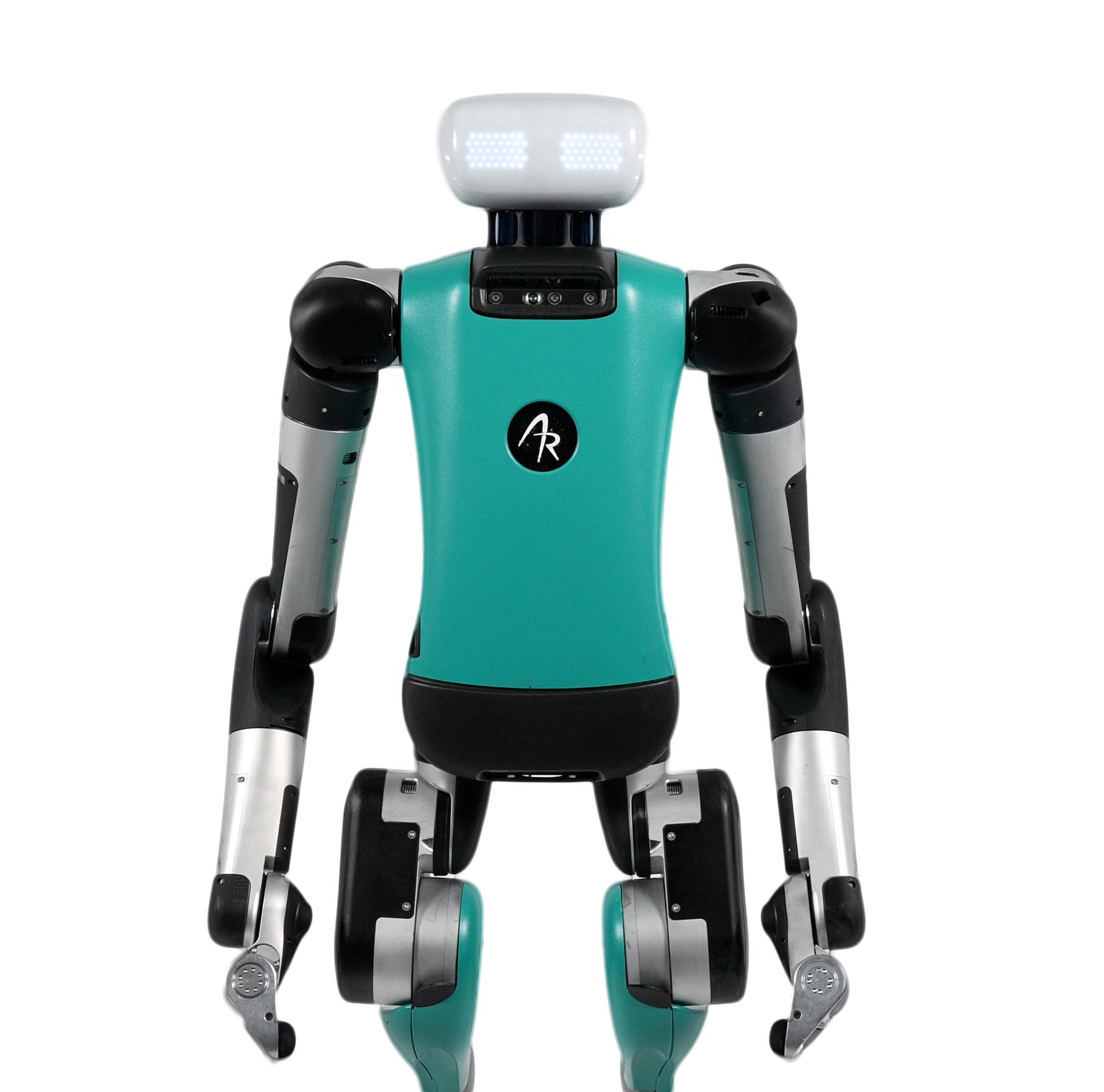
Executive summary Through 2025–26 a small but growing set of publicly disclosed humanoid pilot programs moved beyond R&D demos into repeatable, short-run commercial use. This audit catalogues the largest known pilots across logistics, discrete manufacturing and eldercare, compares vendor positioning and reported performance metrics, and synthesizes operational lessons from early customers. Coverage focuses on public disclosures and vendor-reported results for Agility Robotics, Figure AI, Apptronik, 1X Technologies, Sanctuary AI, UBTECH, Unitree, Xiaomi/CyberOne and Tesla/Optimus. Where humanoids are being tried — by use case and industry Logistics (warehousing, parcel handling, last-mile) — order picking (goods-to-person and person-to-goods), tote-to-conveyor transfers, light palletizing and last-mile prototype loading. Manufacturing — repetitive assembly, kitting, screw-driving and machine tending in low- to medium-volume lines where human ergonomics or headcount shortages limit throughput. Eldercare and assisted living — non-clinical assistance (room service, meal delivery, monitoring, social engagement) and exploratory patient-transfer/workflows where human labor is in short supply. Vendor-by-vendor snapshot and concrete pilots Agility Robotics — Digit in goods-to-person and last-mile prototypes Agility positioned Digit as a warehouse-floor humanoid for periodic, repetitive tasks that are awkward for mobile robots or humans. Public pilots in 2025–26 focused on goods-to-person picking (supplementing conveyors and pick-and-place stations) and last-mile loading prototypes where Digit flexes between bin manipulation and stair/curb navigation. Deployment details: multi-week trials in mid-size DCs; vendors reported Digit operating in shifts with a human supervisor for safe handover. Reported metrics: vendor and customer statements cited pick rates of roughly 30–50 single-item picks/hour in constrained aisles, uptime in the 80–90% range during supervised operation, and error rates (wrong grasp/drop) in the mid-single-digit percent reported during pilots. Positioning: Agility markets Digit as integrable into existing warehouse execution systems and as a complement to both AMRs and human pickers. Figure AI and Apptronik — assembly-line pilots and machine tending Figure and Apptronik each highlighted production-line applications, stressing payload/precision for screw-driving, part insertion and interchangeability with human operators. Use cases: repetitive subassembly, kitting, and single-station machine tending where cycle times are predictable. Results claimed: pilot reports and vendor marketing materials indicated cycle-time parity or modest gaps (10–30% slower than trained humans) but lower injury/ergonomic risk and potential for extended operating windows (nights/weekends). Sales model: pilots generally offered under development/consulting contracts with optional RaaS conversions for scale. 1X Technologies — NEO/EVE in parcel and sortation trials 1X marketed NEO/EVE as humanoids tuned for parcel handling, with articulated hands and adaptive grippers for irregular packages. Trials in small sorting centers emphasized tote-to-conveyor and parcel reorientation. Pilot outcomes: vendors reported hourly throughput in the 40–80 pieces/hour range depending on parcel mix; integration required custom conveyor handoffs and human oversight. Sanctuary AI and UBTECH — eldercare and assistance in assisted-living facilities Sanctuary and UBTECH positioned humanoids for non-clinical assistance: routine monitoring, room service, medication reminders, and social-engagement prototypes. UBTECH’s deployments in China and Sanctuary’s Canadian/US pilots were publicized as multi-month trials in assisted-living sites. Practical use cases: meal tray delivery, room tidy, patient monitoring logs fed to care staff, and conversational check-ins to reduce social isolation. Performance: vendors reported reduction in routine staff walk-time (customers quoted 10–25% of some rounding activities offloaded) but emphasized continued need for human staff for transfers or complex care. Safety: early findings underline the necessity of fail-safe navigation (reduced speed, touch sensors) in crowded communal spaces. Unitree and Xiaomi/CyberOne — light industrial and home-assist pilots Unitree (traditionally known for quadrupeds) and Xiaomi (CyberOne) pivoted humanoid variants toward lighter industrial tasks and early home-assist demos. Trials were exploratory — more proofs-of-concept in controlled environments than long-duration pilots. Markets: home assistance, fetch-and-carry, and light pick-and-place where cost-sensitive customers test lower-cost humanoid options. Business model: lower-capability, lower-cost hardware often showcased with subscription update/maintenance services. Tesla/Optimus — internal tests and partner proofs-of-concept Tesla publicly disclosed internal testing of Optimus prototypes in factory environments and limited partner proofs-of-concept. These remained primarily in-house validations of vehicle-assembly adjunct tasks, with few publicized long-duration pilots with external customers in 2025–26. Nature of work: repetitive, non-critical tasks in automotive assembly where Tesla can tightly control environment and process. Disclosure: Tesla’s public statements emphasize roadmap and scale potential rather than established commercial deployments. Performance metrics, ROI and notable safety findings Across publicly reported pilots, three consistent patterns emerge: Throughput — vendor-reported picking/handling rates typically fall in the 30–80 units/hour band for single-station tasks; manufacturers often achieve cycle-time parity only after integration and task specialization. Uptime and error rates — early uptime often cited between 70–90% during supervised pilots; mis-grasp or drop rates were commonly in the low single-digit to low double-digit percent depending on object variability. Human-hours saved — customers in press materials reported 10–30% reduction in specific repetitive tasks' human labor, translating to payback horizons that depend heavily on labor rates and whether buyers opt for RaaS or capital purchase. Notable safety and incident themes: falls/stumbles during uneven-surface transitions, dropped items at handoff points, and sensor occlusion in cluttered environments. Vendors applied conservative speed limits, additional safety fencing, and mandatory human oversight during early deployments. How companies position and price humanoid pilots Positioning — vendors frame humanoids as flexible labor multipliers where fixed automation is impractical: mixed-SKU pick zones, small-batch assembly, and eldercare routines. Pricing context — public pilots typically run under development/consulting contracts; industry-reported ranges for pilot phases commonly span $10k–$50k/month for RaaS pilots (including support), with CAPEX pricing for advanced humanoids widely reported in the mid-five-figure to low six-figure range when disclosed. Integration and WMS/ERP work frequently double project costs. Competitive comparison — practical differentiation Vendor Strength Typical pilot focus Agility Field-proven mobile platform, warehouse focus Order picking, last-mile loading Figure / Apptronik Precision assembly, ROS/software stack maturity Machine tending, kitting 1X Parcel handling specialization Sortation, tote transfers Sanctuary / UBTECH Eldercare ergonomics and safety Delivery, monitoring, engagement Unitree / Xiaomi Cost-focused, consumer/home angles Light industrial, home assist Tesla Tightly integrated manufacturing prospect Internal assembly adjuncts Customer feedback and integration pain points Operations managers who participated in pilots praised humanoids for reducing repetitive strain tasks and extending coverage into off-shifts. Common complaints: integration overhead (WMS/ERP and conveyor interfaces), unpredictable failure modes when environment varies, maintenance overhead for custom grippers, and the continued requirement for human supervision. CIOs highlighted cybersecurity and data integration as non-trivial line items in total cost of ownership. Checklist for operations leaders considering humanoid pilots Define narrow, repeatable tasks with constrained variability for initial pilots (picking of fixed-SKU bins, single-station kitting). Budget for integration: expect software/WMS work to equal hardware costs in many pilots. Insist on measurable KPIs up front: picks/hour, uptime, human-hours replaced, and error rate thresholds tied to pilot exit criteria. Plan for safety and human oversight: speed-limits, fail-safes, and staff training are non-negotiable. Choose vendors offering flexible commercial models (pilot-to-RaaS conversions) to lower upfront capital exposure. Appendix — public pilots vs internal labs (high-level mapping) Vendor Status (2025–26) Agility Robotics Live pilots (warehouses, last-mile prototypes) Figure AI Public pilots (manufacturing lines) and commercial trials Apptronik Public pilots (assembly/machine tending) and integrator partnerships 1X Technologies Parcel/sortation trials in operational centers Sanctuary AI Assisted-living pilots (multi-month trials) UBTECH Commercial eldercare pilots, particularly in China Unitree Controlled proofs-of-concept and early pilots Xiaomi / CyberOne Home-assist demos and limited pilot tests Tesla / Optimus Primarily internal factory tests and selective partner PoCs Bottom line: by 2026 humanoids are no longer only R&D showpieces. They are entering constrained, repetitive real-world roles where flexibility trumps raw speed. Early pilots demonstrate useful productivity gains but require significant systems integration, close supervision, and realistic ROI timelines. For operations leaders the key is starting small, measuring tightly, and planning integration just as seriously as hardware selection.