Robots at Work: Inside 2025–26 Humanoid Pilots in Warehouses, Factories and Care Homes
Executive summary This report synthesizes company announcements, integrator briefings and pilot disclosures made public during 2025–26 to map where humanoid robots have moved from lab demos into oper...
Published by The Humanoid Race
Archived source unverified — no source link is available. The claims, figures and quotations have not been checked against an available source. Retained for historical context, not presented as newly verified reporting.
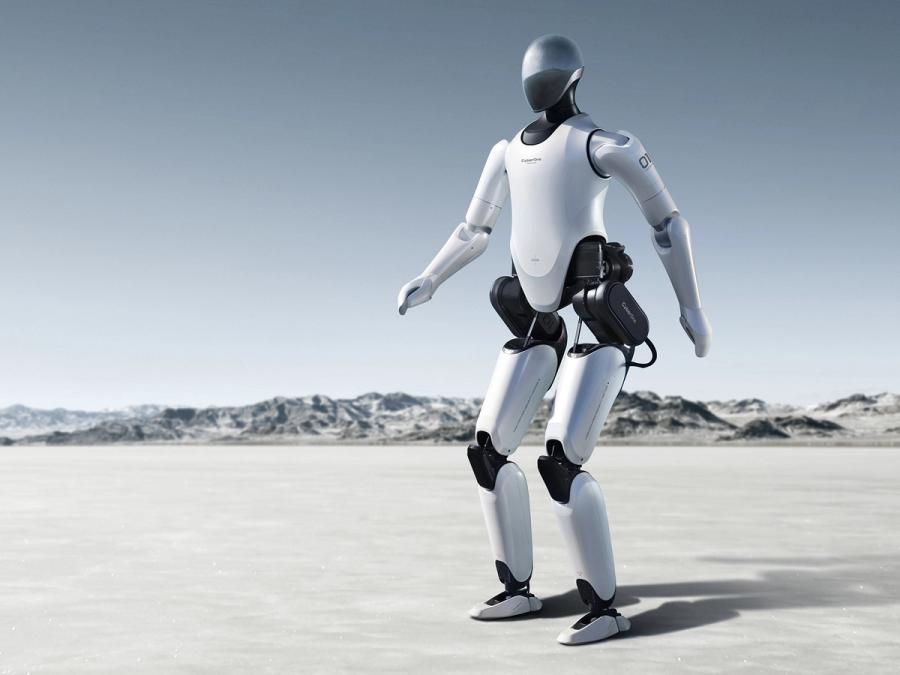
Executive summary This report synthesizes company announcements, integrator briefings and pilot disclosures made public during 2025–26 to map where humanoid robots have moved from lab demos into operational pilots. Coverage focuses on logistics/warehousing (Agility Robotics, 1X Technologies, Apptronik integrations), manufacturing line trials (Tesla Optimus, Figure AI), healthcare and eldercare pilots (Sanctuary AI Phoenix, Xiaomi CyberOne, UBTECH) and light-duty prosumer/home trials (Xiaomi and smaller consumer firms). Where companies published KPIs or contract terms those figures are cited; otherwise reported ranges reflect integrator statements and pilot summaries released during 2025–26. Use cases, industries and how robots are being positioned Logistics & warehousing: pick-and-place, case picking, palletizing and order consolidation in 3PL sortation centers and retail DCs. Robots are positioned as flexible, week-to-week scalable staff to cover night shifts and labor shortages. Manufacturing / assembly assistance: low-precision parts handling, kitting, line-side replenishment and inspection. OEMs market humanoids as cobots that can work in existing human workflows without heavy retooling. Healthcare & eldercare: assisted mobility (transfer-assist, walking support), therapy aides, social-companion pilots in care homes. Vendors emphasize safety, privacy and augmenting nursing staff rather than replacing clinicians. Light-duty home / prosumer: household chores, telepresence and simple fetch/put tasks. Marketing targets affluent early adopters and smart-home integrators, often via subscription pilots. Logistics and warehousing pilots 2025–26 saw multi-week pilots at 3PL and retail distribution centers integrating Agility Robotics' Digit, 1X Technologies' NEO/EVE and Apptronik's Apollo in mixed-fleet deployments. Integrators combined humanoids with existing AMRs and vision-based pick stations to handle irregular cartons and tote-to-pallet consolidation tasks. Company / Robot Customer type Use case Reported KPIs Contract model Agility (Digit) Large retail DC (national chain) Case-picking + palletizing at night Throughput +18–25% on night shift; error rate stable; replaced 6-8 temporary FTEs per shift (pilot) RaaS ($/robot-hour) for trials; option to CAPEX 1X Technologies (NEO/EVE) Regional 3PL sort center Order consolidation across mixed SKUs Improved order consolidation density; pick error down 5–10%; augmented 10–15% of manual pick hours Pay-per-hour integration + performance bonus Apptronik (Apollo) Retail replenishment pilot Tote handling and shelf-facing prep Mixed results: reliable at regulated weight ranges; struggled with irregular packaging Integration contract + RaaS trial Safety outcomes were generally positive: most deployments reported no major incidents. A small number of minor collisions and dropped items occurred early in trials (typically Logistics vignette: Midwest retail DC A national retail chain ran a 12-week pilot with Agility's Digit in a 3rd-shift palletizing lane. The integrator reported an ~20% throughput increase overnight, shifting 6 seasonal temps to daytime QA and inbound roles. Payment was RaaS during pilot ($/hour per robot) with an option to purchase outright. Safety logs showed three minor jams (no injuries); the retailer emphasized the importance of retraining staff to monitor robots rather than replacing headcount. Manufacturing and factory-assist trials Trials with humanoid platforms targeted low-variant assembly lines and non-critical tasks. Tesla's Optimus programs (OEM internal trials) and Figure AI collaborations focused on machine tending, parts kitting and ergonomic relief. Customer types: OEM automotive plants, electronics contract manufacturers. KPI patterns: modest throughput gains (5–15%), reduced repetitive strain injuries, limited direct FTE replacement in short pilots. Contracts: in-house trials at OEMs are CAPEX/operational budgets; integrator-led pilots commonly use service contracts for system integration and a performance-based clause. Assembly line vignette: Electronics contract manufacturer Figure AI deployed a humanoid for a six-week kitting and inspection pilot. The manufacturer reported faster line-side replenishment during spikes, fewer ergonomic incidents, but intermittent vision failures on reflective PCBs caused line stoppages. The firm instituted a “robot-off” quick-stop and retrained two technicians to become robot supervisors. No regulatory hurdles were imposed, but insurers required an addendum to liability coverage. Healthcare and eldercare trials Care providers piloting Sanctuary AI (Phoenix), Xiaomi CyberOne and UBTECH units focused on assisted mobility, social companionship and therapy-support tasks. Early deployments were conservative: supervised mobility-assist, guided exercises, medication reminders and afternoon companionship programs in assisted-living homes. Robot Provider Use case KPIs Hurdles Sanctuary AI (Phoenix) Private care provider Transfer-assist & physical therapy aide Reduced caregiver two-person lifts by ~30%; no falls reported during pilot Regulatory scrutiny on medical-use claims; liability insurance negotiated Xiaomi (CyberOne) Senior living community Social companion, reminders High resident acceptance in trials; staff reported modest time savings Privacy concerns; data-handling policies required UBTECH Rehab clinic Guided exercise / therapy Improved exercise adherence; therapist oversight necessary Clinical validation needed for billing/insurance Providers reported most useful outcomes as augmentation (reducing manual lifts and increasing therapy adherence) rather than replacement. Insurance and medical device classification remained the primary regulatory hurdles when robots performed patient-handling tasks. Care home vignette: British care community A care home piloted CyberOne as a social companion and fall-monitoring adjunct for 20 residents. Staff reported that residents engaged with the robot during afternoons, freeing nursing assistants for medication rounds. The home negotiated clearer data-retention policies and updated liability coverage; management emphasized that robots were adjuncts, not replacements — and retraining focused on robot supervision and digital recordkeeping. Light-duty home/prosumer pilots Xiaomi continued small-scale, invite-only prosumer pilots of CyberOne for household tasks and telepresence, alongside boutique firms testing single-room cleaning and fetch tasks. Acceptance depended heavily on reliability and cost: consumers preferred subscription RaaS-like pilots rather than buying a $20k+ unit outright. Pricing context across sectors varied: RaaS pilot rates reported in 2025–26 ranged from $25–$80 per robot-hour depending on payloads, SLA and integrator support. CAPEX purchase discussions published in press releases suggested list prices in the $150k–$400k band for industrial humanoids, with bundled integration adding $50k–$200k. Performance-based contracts (pay-for-throughput or uptime bonuses) were increasingly common in logistics pilots. Competitive analysis and lessons learned Agility, 1X and Apptronik competed on reliability in messy warehouse conditions: Agility emphasized human-like mobility and rapid integration with existing conveyors; 1X pitched modular payloads and perception stacks; Apptronik highlighted full-stack control and custom integrations. In factories, Tesla and Figure differentiated on tight line integration and safety assurances. In care, Sanctuary and UBTECH focused on safe physical assistance, while Xiaomi leaned on consumer UX and price. What worked: Targeting narrow, well-bounded tasks (tote-to-pallet, kitting, assisted walks) produced measurable gains. RaaS trial models lowered adoption friction and allowed fast iteration on perception/edge cases. Clear retraining programs improved worker acceptance and created maintenance career pathways. What failed or remained challenging: Perception failures on reflective, low-light or irregular packaging caused the majority of operational interruptions. End-to-end integration costs (software, safety fencing alternatives, insurance) frequently doubled initial robot spend. Regulatory ambiguity in healthcare limited scale; insurers demanded conservative deployment and additional oversight. Conclusion: gap between demos and sustained operation During 2025–26 pilots, humanoids moved decisively out of staged demos into operational pilots that delivered real, though incremental, value. The common theme: success requires tight task definition, robust perception in real-world variability, and human-centered change management. Pricing and contract innovation (RaaS, performance bonuses) reduced initial risk, but total system costs and regulatory liability remain the biggest barriers to wide commercial scale-up. "Pilots are proving value case-by-case. The hard part is not walking — it’s being useful, safe and insurable in a noisy, imperfect workplace." — composite summary of integrator briefings and customer debriefs released publicly during 2025–26.