The 2026 Humanoid Market Map: Pricing, Moats and Who’s Likely to Scale First
The 2026 Humanoid Market Map: Pricing, Moats and Who’s Likely to Scale First Byline: The Humanoid Race — senior robotics industry analysis. This report synthesizes public product specs, business mode...
Published by The Humanoid Race
Archived source unverified — no source link is available. The claims, figures and quotations have not been checked against an available source. Retained for historical context, not presented as newly verified reporting.
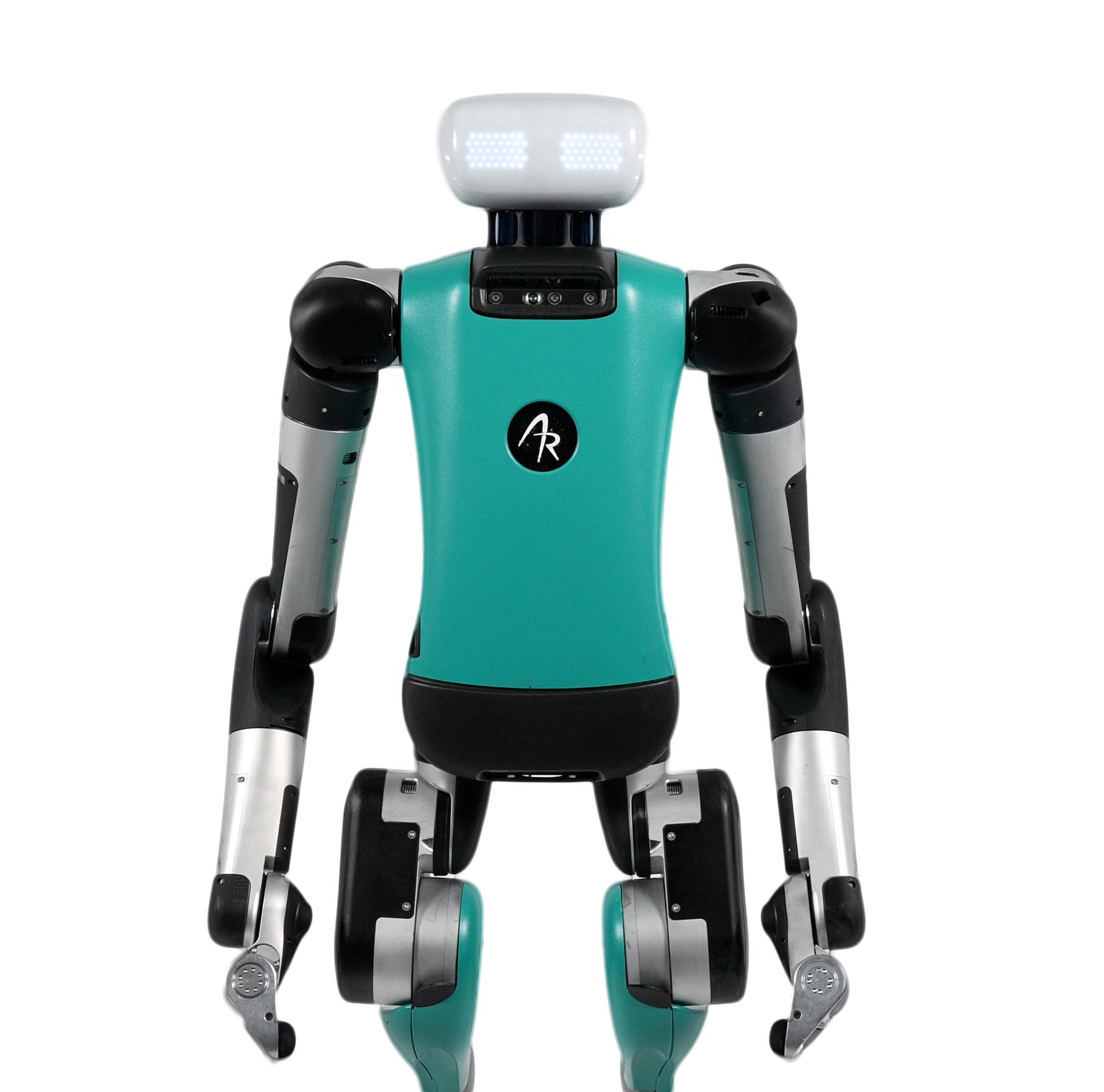
The 2026 Humanoid Market Map: Pricing, Moats and Who’s Likely to Scale First Byline: The Humanoid Race — senior robotics industry analysis. This report synthesizes public product specs, business models and go‑to‑market signals across leading and second‑tier humanoid efforts to forecast adoption through 2026–28. It focuses on real‑world use cases, commercial deployments and how companies are positioning their robots for enterprise and consumer buyers. Executive summary Through 2026–28 the market will bifurcate. Short term winners will be niche, high‑value enterprise tasks (warehouse replenishment, last‑mile handling, light assembly, patient handling in hospitals) where repeatability and service economics beat general intelligence. Consumer and home generalists remain a 2030+ play. Competitive advantage will accrue to companies that combine robust manipulation hardware, fleet & fleet‑management software, integrator partnerships and regulatory/certification progress. Comparative matrix: hardware, software, services and commercial models Company Hardware (DoF / payload / battery / sensing & grasp) Software (autonomy / perception / SDK) Services (integration / training / maintenance) Commercial model / pricing band Tesla (Optimus) Company claims humanlike DoF (mid‑20s); payload ~20–80 kg (company guidance); battery life TBD (hours claimed); vision‑first sensing, hand dexterity limited in demos Autonomy stack tied to Tesla Dojo; perception leverages vehicle pipeline; SDK closed/controlled In‑house deployment teams expected; service model not yet public Price targets reported by company in low‑to‑mid five figures; RaaS/subscription likely. Availability & commercial pricing uncertain. Boston Dynamics Atlas = R&D humanoid (high DoF); commercial focus shifted to Stretch (logistics) and Spot; strong balance, sensing Mature autonomy for mobility; SDKs for integrators (Spot SDK); high closed‑loop control expertise Strong integrator network; field service & training established from Spot/Stretch experience Stretch sold as CAPEX (~hundreds of thousands per cell); field service contracts common. Humanoid commercial SKU limited. Agility Robotics (Digit) Digit: mid‑DoF biped (estimated ~12–20); payload ~18 kg per arm/torso; battery few hours; sensory rig for mobility; basic two‑finger or gripper end‑effectors Perception & fleet ops for logistics; SDK available for partners; autonomy suited to prestructured environments Works with logistics integrators; pilot programs & on‑site support Unit sales and RaaS pilots. Estimated CAPEX $100–250k per unit; subscription options $3k–10k/month. Figure AI Claims humanlike humanoid platforms with high DoF and manipulation focus; public demos highlight whole‑body motion Proprietary motion stack; perception leveraging vision and tactile; SDK openness unclear Early integrations with manufacturing partners reported; white‑glove support promised Positioned as enterprise CAPEX or bespoke RaaS—pricing in high five‑to‑six figures per unit in early years. Apptronik Focus on industrial collaborative humanoids; medium DoF; payloads tailored to assembly; battery life multi‑hour in industrial cycles Open API focus; ROS compatibility; autonomy tuned to co‑work safety Emphasis on integrator channel, training and safety certification support CAPEX with service contracts; estimated $150–350k per cell plus installation. Sanctuary AI Generalist humanoid R&D; emphasis on human‑like manipulation and arms; energy and payload claims early stage AI‑first control stack; SDK strategy evolving Government /lab pilots; tight engineering support Enterprise pilots, bespoke contracts; pricing TBD. 1X Technologies, Unitree, Xiaomi, UBTECH, Fourier & others Range from hobby/service humanoids (UBTECH), consumer prototypes (Xiaomi CyberOne), to hardware vendors focusing on arms & exoskeletons (Fourier) SDK openness varies; consumer firms tend to open APIs; industrial players ROI‑focused Consumer support vs. industrial integrators; maintenance tiers offered Wide pricing band: consumer units $1k–50k; enterprise/custom $50k–300k; RaaS tiers $1k–15k+/month. Use cases, industries and real deployments Warehouse picking & replenishment: Highest near‑term ROI. Robots that handle cartons or tote transfer (Boston Dynamics’ Stretch, Agility Digit pilots) reduce repetitive injury and raise throughput. Break‑even in 2–4 years at U.S. warehouse labor rates ($15–30/hr) with 70–85% utilization. Light assembly / machine tending: Automotive suppliers and contract manufacturers pilot humanoids where dexterous two‑handed tasks are standardized; Apptronik and Figure target this vertical. Healthcare — patient transfer & logistics: Hospitals exploring patient‑lift and supply logistics to mitigate nurse shortages; certification and liability are gating factors. Service & retail: Concierge and front‑of‑store demos from UBTECH and Xiaomi target retail branding; volumes remain marketing‑led rather than ROI‑driven. Home assistant: Strong consumer interest but minimal commercial deployments; safety, cost and reliability postpone scale past 2028. Pricing, break‑even and sensitivity Typical commercial pricing bands and illustrative break‑even assumptions (rounded): Enterprise humanoid (pilot to early production): $100k–$400k CAPEX or $3k–12k/month RaaS. Service/consumer units: $1k–50k depending on capabilities and scale. Break‑even example (warehouse picking): Assumptions: $25/hr wages, 2,000 work hours/year, robot uptime/utilization 70%, robot cost $200k CAPEX, annual maintenance 15% of CAPEX. Result: Break‑even ≈ 3–5 years. If labor cost rises to $35/hr or utilization increases to 85%, break‑even shrinks to ~2–3 years. If utilization falls below 50% the case often fails. Competitive moats and consolidation risks Key moats: Manipulation & dexterity: Proprietary hand design and tactile feedback converts to more use cases and higher per‑unit ROI. Fleet management software: Companies with mature fleet/cloud orchestration (mapping, telemetry, task scheduling) create switching costs. Integrator & channel relationships: Partnerships with logistics integrators, system integrators and OEM customers accelerate deployments. Regulatory certifications: Early UL/ISO/CE compliance for human‑working robots is a sales enabler. Consolidation risks are real: hardware makers lacking sticky software or vertical integration will be acquisition targets or pushed into commodity pricing. Software‑first firms with open SDKs can become platform winners if they attract third‑party end‑effectors and apps. Investor appetite, M&A signals and supply‑chain constraints (2024–26) Venture funding remained available through 2024–26 for companies demonstrating path to recurring revenue. Strategic investors (automotive, logistics, healthcare providers) favored firms with demonstrable pilots. M&A signals: Hyundai’s 2021 acquisition of Boston Dynamics validated industrial interest; smaller strategic tuck‑ins and partnerships with manufacturing groups increased in 2024–26. Supply‑chain constraints (actuators, high‑performance batteries, custom sensors) periodically limit scale — suppliers with qualified parts lists and multi‑sourcing win. Who wins when? Short term (2026): Task‑specialized systems in logistics and light manufacturing — companies that have integrator relationships and deliver fleet software (Boston Dynamics’ logistics products, Agility’s Digit pilots, Apptronik in assembly) are most likely to scale. Medium term (2026–28): Players that can combine robust manipulation hardware, safety certification and a clear RaaS economics (price‑per‑task) will expand to multi‑site deployments. Long term (post‑2028): Generalist home humanoids (Tesla, Xiaomi and consumer‑focused startups) remain speculative and dependent on breakthroughs in reliable dexterity, cost reduction and safety certification. Policy & regulatory appendix Regulatory frameworks that matter: ISO 13482 — safety of personal care robots (relevant to home/service robots). ISO 10218 / ISO/TS 15066 — robot industrial safety and collaborative robot standards (applies to humanoids in factories). UL standards & CE marking — electrical and product safety for commercial sale in North America and Europe. Healthcare certifications: For patient transfer, devices may fall under medical device regulations (FDA 510(k) or equivalent) depending on claims. Insurance and liability: Commercial deployments require product liability and professional indemnity coverage; insurers will demand documented risk assessments and fail‑safe behaviors. Bottom line: 2026–28 will be a period of pragmatic commercialism. Industrially useful humanoids that are safe, cost‑effective and integrated into operators’ workflows will scale. The dream of a generalist home humanoid will remain capital intensive and dependent on standards, SDK ecosystems and breakthroughs in manipulation. For procurement teams: prioritize proof‑of‑value pilots with clear utilization KPIs, insist on SDK access and fleet software roadmaps, and require regulatory/insurance evidence before multi‑unit rollouts.