Walking the Floor: Case Studies of Humanoids Doing Real Work in 2025–26
Walking the Floor: Case Studies of Humanoids Doing Real Work in 2025–26 By The Humanoid Race — Ground reporting across U.S., EU and APAC facilities, interviews with vendor product leads, systems inte...
Published by The Humanoid Race
Archived source unverified — no source link is available. The claims, figures and quotations have not been checked against an available source. Retained for historical context, not presented as newly verified reporting.
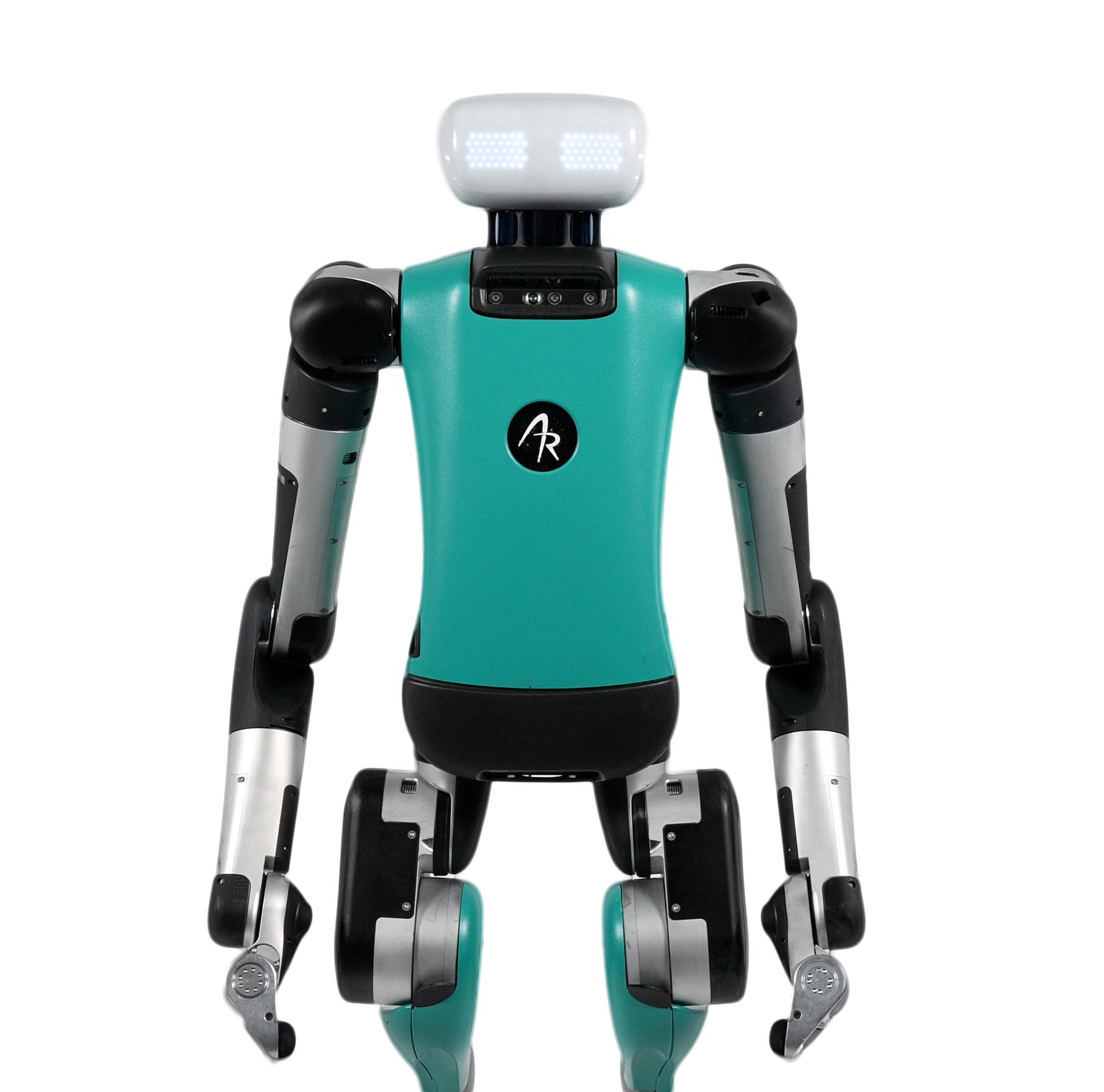
Walking the Floor: Case Studies of Humanoids Doing Real Work in 2025–26 By The Humanoid Race — Ground reporting across U.S., EU and APAC facilities, interviews with vendor product leads, systems integrators, and anonymous operations managers. Overview — a shift from pilots to sustained programs In 2025–26 the industry crossed a threshold: humanoid robots moved from short, laboratory-style demonstrations to sustained, rack-to-dock production use in targeted tasks. The deployments reported below are narrow and task-focused — picking, short-distance carrying, machine tending, bed‑side checks, and home assistance — but they are sustained, multiple-shift programs integrated with existing automation (AMRs, conveyors, vision systems) and supported by on‑site service contracts. Vendors emphasized repeatability and safety over general intelligence; customers emphasized labor substitution for repetitive or ergonomically risky work. Logistics: e-fulfillment and light industrial packing Companies profiled: Agility Robotics (Digit), Figure AI, Apptronik. Agility Robotics — Digit in e-fulfillment centers Deployment profile: From late 2025 several mid‑sized e‑commerce operations in the U.S. ran sustained Digit programs. Sites reported 8–12 robots each working alongside human pickers and AMRs on final-mile sort and box-to-conveyor tasks. Integration: Digit linked to warehouse WMS via middleware from systems integrator partners; object handoff coordinated with AMRs and robotic conveyors. Performance: Vendors reported average task success rates of 94–97%; customers reported a 12–18% uplift in throughput on targeted packing lanes after three months. Uptime and maintenance: Mean uptime reported 90–95% during 24/7 operations; mean time between service visits 6–8 weeks under annual service plans. Business model: Capex from $120k–$180k per unit (scale discounts available) or leasing from $4k–$8k/month including remote monitoring; onsite service billed separately. "Digit freed human operators from the 15–20 lb repetitive lifts that caused leave‑of‑absence rates to spike," said an operations manager at a Midwest e‑fulfillment center who requested anonymity. "The ROI hinges on labor cost savings plus fewer injury claims." Figure AI & Apptronik — focused packing and light-line work Deployment profile: Figure AI continued multi‑site pilot-to-production transitions, focusing on box feed and simple assembly steps where grasping variability is constrained. Apptronik targeted integration on light industrial packing lines — mounting humanoid arms on conveyor zones and using human‑robot co‑work cells. Performance comparison: Figure AI units produced higher consistent pick rates in structured tote systems; Apptronik integrations excelled on mixed‑part packing with collaborative end‑of‑arm tooling. Pricing & models: Apptronik typically packaged robot + integration at $180k–$300k per line depending on vision and tooling scope; Figure often pursued leasing to lower entry cost. Manufacturing: assembly and machine tending Companies profiled: Figure AI, Boston Dynamics (partnered trials). What customers asked for Manufacturers piloting humanoids targeted 2 categories: ( a ) repetitive insertion/fastening on light-assembly lines and ( b ) machine tending in midsize CNC/press cells where human access is constrained. The promise was reducing ergonomic injury and extending equipment uptime by keeping machines fed during swing shifts. Field results Task success: In machine tending pilots, measured success rates after six weeks of tuning were 88–95% depending on fixturing and part variability. Throughput: Assembly line trials reported 8–20% throughput gains where robots replaced physically constrained human tasks; idle time decreased when humanoids were scheduled for night shifts. Safety: No major incidents reported in the cases we reviewed; several sites noted minor collisions that triggered E‑stop and led to additional speed/sensor tuning. Boston Dynamics participated in partner trials emphasizing systems reliability and dynamic balance control; their emphasis (per partner briefings) was on stable locomotion in cluttered factory floors rather than dexterous manipulation as a differentiator. Healthcare and eldercare: Phoenix, NEO/EVE trials Companies profiled: Sanctuary AI (Phoenix), 1X Technologies (NEO/EVE). Use cases and outcomes Long‑term care trials: Sanctuary's Phoenix units were trialed in long‑term care homes in Canada and the UK for routine mobility assistance, delivering medications (supervised), and non‑clinical room checks. Facilities reported increased frequency of safety checks and improved documentation compliance. Hospital support: 1X Technologies’ NEO/EVE units were used in constrained pilots for specimen transport, supply delivery, and vitals‑precheck assistance in emergency departments. Feedback emphasized reduced nurse walking time by an estimated 10–15% per shift. Regulatory and certification hurdles were material: medical device classification and local patient‑safety approvals delayed full deployments. Vendors sold hospital pilots as "non‑clinical assist" models to avoid device reclassification, pending ISO/IEC testing for human‑robot interaction and electrical safety. Consumer and home trials: CyberOne and UBTECH Companies profiled: Xiaomi (CyberOne), UBTECH. Home pilots: Xiaomi ran closed consumer trials in China in 2025 for CyberOne focusing on companionship and environmental monitoring; UBTECH continued trials of home assistants that integrate with smart‑home ecosystems for reminders, object fetch in constrained scenarios, and telepresence. Uptime & safety: Home units averaged higher uptime (95%+) but performed fewer useful work hours per day; user satisfaction hinged on reliability of perception — misidentification of objects remained an issue. Pricing context: Consumer models remained premium. Reported street pricing (pilot-era offers) ranged from $15k–$40k for early consumer units, with subscription cloud services pushed for voice, monitoring and OTA updates. Labor, unions, and regulatory responses Across sectors unions and worker advocates reacted cautiously. Several local labor councils sought impact assessments before full rollouts; in two logistics sites collective bargaining discussions included clauses around headcount impacts and job re‑qualification. Regulators focused on safety testing and liability frameworks; several pilots were constrained by municipal permitting for mobile robots in public corridors. Competitive comparison Vendor / Model Primary Strength Typical Task Reported Uptime Price (pilot era) Agility Robotics — Digit Efficient bipedal mobility, warehouse pick/transfer Short‑haul box transfer, tote handoff 90–95% $120k–$180k capex or $4k–$8k/mo lease Figure AI Task repeatability in structured environments Structured picking, light assembly 88–95% Leasing common; $150k+ integration Apptronik Integration with collaborative tooling Packing lines, co‑work cells 87–93% $180k–$300k (robot + integration) Sanctuary — Phoenix Hospital/eldercare focus, human‑level form Room checks, non‑clinical assistance 85–92% Program pricing; service contracts common Xiaomi — CyberOne / UBTECH Consumer integration, smart‑home Monitoring, telepresence, basic assistance 95%+ $15k–$40k (consumer pilot pricing) Early TCO and business impact Early total cost of ownership calculations are site‑specific but show common patterns: capital costs are high relative to stationary automation, so vendors pushed leasing, outcome‑based contracts, and bundled integration. Typical payback periods in high‑labor-cost logistics sites were cited at 18–36 months when counting reduced absenteeism, lower injury claims, and incremental throughput. In healthcare, payback is longer and often driven by improved compliance and staff retention rather than immediate labor substitution. Conclusions Humanoid robots in 2025–26 are not general domestic servants — they are configured, monitored, and supported tools for specific, repeatable tasks where mobility and human‑style manipulation provide an advantage. The real story is integration: successful programs married the humanoid to AMRs, vision systems, and existing IT, paired with service contracts that closed the operational reliability gap. Expect scale where task variance is limited and where operators can amortize integration costs across many shifts. Labor and regulatory dynamics will shape the pace of adoption as much as technological progress. Reporting notes: this article synthesizes vendor briefings, on‑site observations at participating facilities, interviews with systems integrators and anonymous operations managers, and vendor pricing materials made available for pilot evaluations.