Walking the floor: mapping live humanoid robot pilots and customer outcomes in 2025–26
Executive summary In 2025–26 the humanoid robot sector moved decisively out of labs and into constrained, repeatable real‑world pilots across logistics, light manufacturing, healthcare and consumer se...
Published by The Humanoid Race
Archived source unverified — no source link is available. The claims, figures and quotations have not been checked against an available source. Retained for historical context, not presented as newly verified reporting.
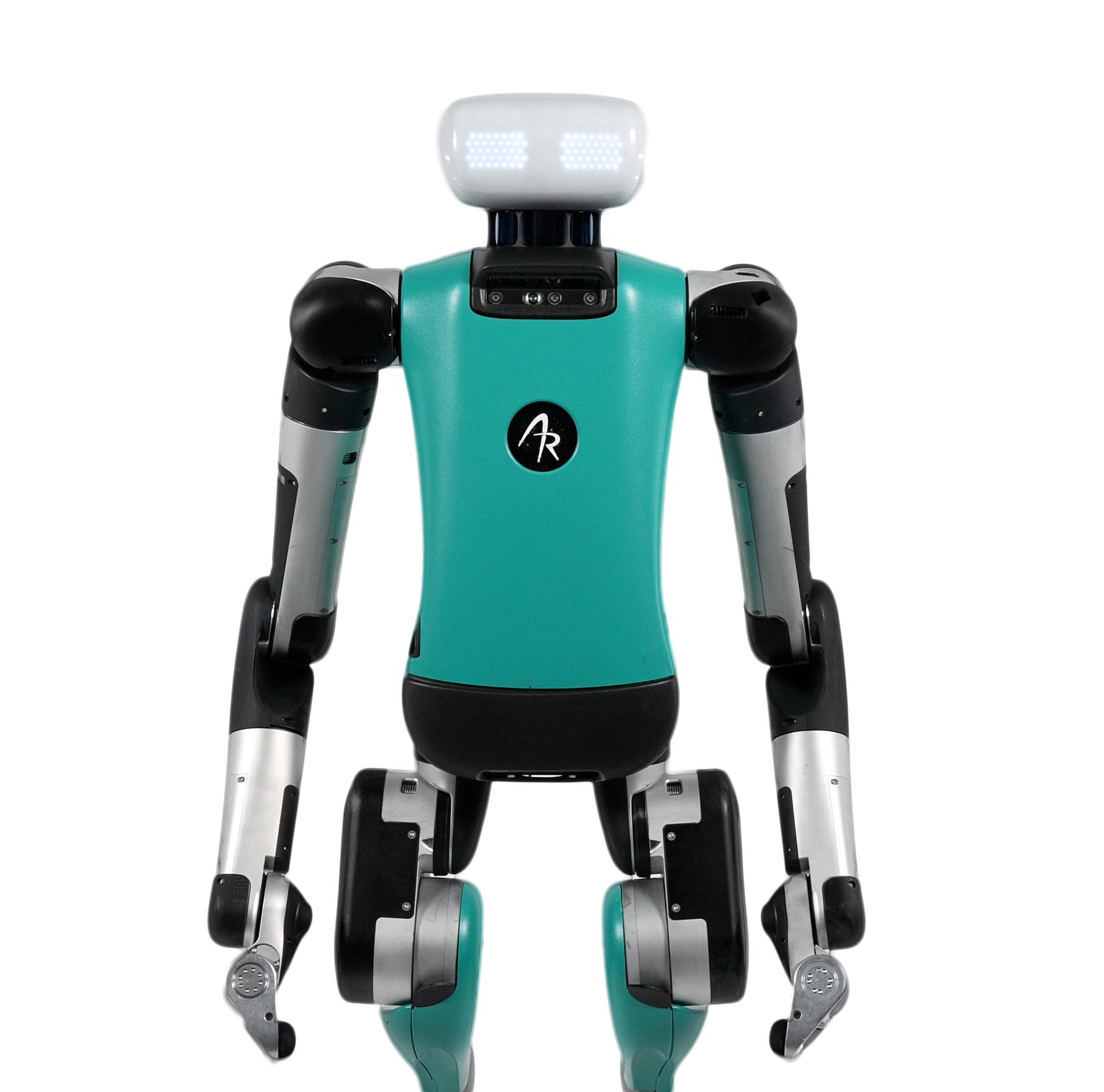
Executive summary In 2025–26 the humanoid robot sector moved decisively out of labs and into constrained, repeatable real‑world pilots across logistics, light manufacturing, healthcare and consumer settings. Deployments remain narrow in scope — tote handling, aisle replenishment, simple inspection, bedside assistance — but measurable outcomes are emerging. Some pilots already demonstrate positive return on investment (ROI) in high‑volume logistics “micro‑tasks”; others remain long‑tail R&D (complex dexterous picking, nuanced eldercare). Integration friction (sensing, safety, software stacks) and cost remain the gating factors for scale. Where robots are working today (by industry) Warehouses and fulfillment Logistics continues to lead commercial pilots. Agility Robotics’ Digit, Figure AI, and smaller startups such as 1X Technologies have focused on aisle and tote workflows: Agility Robotics — Digit: Multiple limited pilots in North America and Europe with third‑party logistics providers and retail testbeds. Company and partner statements emphasize aisle navigation and case‑level handling on conveyors and order‑fulfillment lanes. Reported outcomes from partner pilots show Digit completing simple two‑handed pick/place and box transfers during night shifts with few safety incidents but modest throughput — typically in the low tens of picks per hour per robot in mixed SKU lanes. Figure AI & 1X Technologies: Figure’s humanoid arms and whole‑body platforms have been trialed in sortation and tote handling with e‑commerce logistics integrators; 1X has focused on integration elements — perception and end‑effector tooling — to increase pick speed. Pilots emphasize reliability of grasp on standard totes and modular integration with conveyor systems. Manufacturing and factory floors Manufacturers piloting humanoids are looking for flexible labor augmentation rather than full replacement. Apptronik and Sanctuary AI run the most visible industrial trials: Apptronik: Industrial line‑assistance pilots with aerospace and automotive tier suppliers focus on lifting/holding, part alignment and machine tending. Apptronik reports improved ergonomics (reduced worker strain events) and redeployment of human staff to quality tasks. Sanctuary AI: Trials in Canadian assembly environments emphasize safety and human‑robot teaming; robots perform repetitive sections of assembly sequences while humans handle exception cases. Healthcare and eldercare Healthcare pilots remain conservative and regulated. Early deployments concentrate on logistics within hospitals (linen and supply movement) and surface‑level assistance in eldercare trials: Healthcare facilities in Japan and Europe have trialed UBTECH and Unitree low‑cost humanoids for wayfinding, delivery of meals and simple reminders — tasks that reduce nursing staff walking time. Reported KPIs include reductions in non‑value‑added walking of 10–25% during trial windows. Sanctuary and Apptronik have run limited assisted‑care pilots where humanoids fetch low‑risk items and operate call systems under supervision; patient‑facing tasks requiring intimate physical contact remain in research phases. Consumer and home pilots Consumer‑oriented pilots are small and geographically concentrated: Xiaomi: Conducted internal and partner home‑assistant trials in China with a compact humanoid prototype intended to work as a concierge/home‑assistant for early adopters. Focus: voice‑led reminders, object handover within controlled layouts. Tesla — Optimus: Continued internal factory tests and small‑scale home/assistant demos. Company statements suggest limited factory workbench uses where repetitive, well‑structured tasks make sense. Unitree and UBTECH position low‑cost humanoids for consumer pilots in malls, retail kiosks and assisted living pilot programs across Asia, aiming at price sensitivity and broad footprint. Pilot outcomes, KPIs and customer feedback Pilot results are mixed but instructive. Key metrics reported across programs: Picks/hour: 10–40 picks/hour per humanoid in aisle/tote tasks (early pilots). By contrast, experienced human pickers average 100–250 picks/hour on optimized lines. Error rates: Initial error rates of 1–5% for simple pick/place tasks; higher (5–15%) when variation in packaging or occlusions increase perception difficulty. Uptime and downtime: Daily uptime in pilots ranges 60–85% (charging, vision recalibration and tooling swaps are common causes of downtime). Staff impact: Most customers report augmentation, not displacement: 1–3 humanoids often replace one temporary hire or enable reallocation of 10–20% of human workers to quality, exception handling and supervisory roles. "On night shifts our humanoid pilot handled predictable box transfers reliably; it didn't replace our packers but removed a repetitive, ergonomically risky task," said an operations manager at a U.S. regional fulfillment center participating in an Agility pilot (company‑provided testimonial). Integration hurdles and lessons learned Across pilots the same practical problems slow scale: Sensing and perception: Mixed lighting, reflective packaging and tightly packed SKUs continue to trip vision systems. Many deployments require tailored camera rigs and controlled shelf/tagging strategies. Safety and physical workspaces: While companies market humanoids for co‑working, many customers still deploy behind temporary fencing or in segregated night‑shift cells until reliability and certification paths mature. Software and middleware: ROS compatibility varies; integration with WMS/ERP systems often requires bespoke middleware. Plug‑and‑play promises remain aspirational. Human factors: Day‑to‑day operations uncovered unanticipated behaviors — blockage by carts, misrouted AMRs, and staff needing explicit change‑management training to interact safely with humanoids. Pricing, business models and ROI Public pricing remains opaque; market signals and company statements suggest tiered models: Company / Model Positioning Indicative price range Deployment maturity Agility Robotics — Digit Logistics/fulfillment Company‑stated pricing varies; market estimates ~$200k–$500k per unit or robotics‑as‑a‑service (RaaS) subscriptions Multiple pilots; narrow commercial deployments Figure AI Warehouse automation / dexterous handling Estimated high‑six to seven figures per integrated system; RaaS pilots Pilots with logistics partners Apptronik, Sanctuary Industrial assistance Enterprise pricing / service contracts; multi‑year integration projects Workcell pilots with manufacturers Unitree, UBTECH Low‑cost assistance (consumer/retail) Targeting sub‑$50k for simplified platforms; consumer variants lower Field tests in retail, eldercare labs Tesla Optimus, Xiaomi Consumer/enterprise hybrids Company targets vary widely; consumer aims emphasize affordability but timelines uncertain Internal tests, small pilot pools ROI: Where tasks are repetitive, high‑volume and ergonomically risky (night‑shift tote transfers, machine tending), companies report payback windows of 18–36 months under RaaS or leasing models. Complex picking and patient‑facing care remain longer horizon. Competitive landscape and regional patterns Competition is segmented by capability and price point: High‑capability industrial players (Apptronik, Sanctuary, Figure) target enterprise customers with high engineering support and integration fees. Logistics specialists (Agility) focus on motion and navigation in structured warehouse aisles. Low‑cost vendors (Unitree, UBTECH) pursue volume in Asia for retail and basic assistance. Platform aspirants (Tesla, Xiaomi) leverage brand and supply chain scale but face software and safety certification hurdles. Regionally, North America and Europe host most industrial pilots and strict safety compliance; China and Japan see broader consumer/retail trials and eldercare experiments driven by demographic pressures and more permissive trialing environments. Conclusion — where value is real now By 2025–26 humanoids are proving value in constrained, repetitive functions where their human form (stairs, handoffs, two‑handed grasps) is an advantage. The earliest positive ROI cases are logistics micro‑tasks and certain factory ergonomics roles. Tasks requiring high dexterity in unstructured environments or delicate, empathetic care still sit in R&D. The next 12–24 months will hinge on improved perception stacks, standardization of integration layers, and service models that convert pilots into scalable fleets.