Walking the Warehouse Floor: Inside 2025–26 Pilots That Put Humanoids to Work
Executive summary Through 2025–26, humanoid robots moved beyond showrooms into structured pilot programs across logistics, discrete manufacturing, hospitals and eldercare. Vendors marketed machines as...
Published by The Humanoid Race
Archived source unverified — no source link is available. The claims, figures and quotations have not been checked against an available source. Retained for historical context, not presented as newly verified reporting.
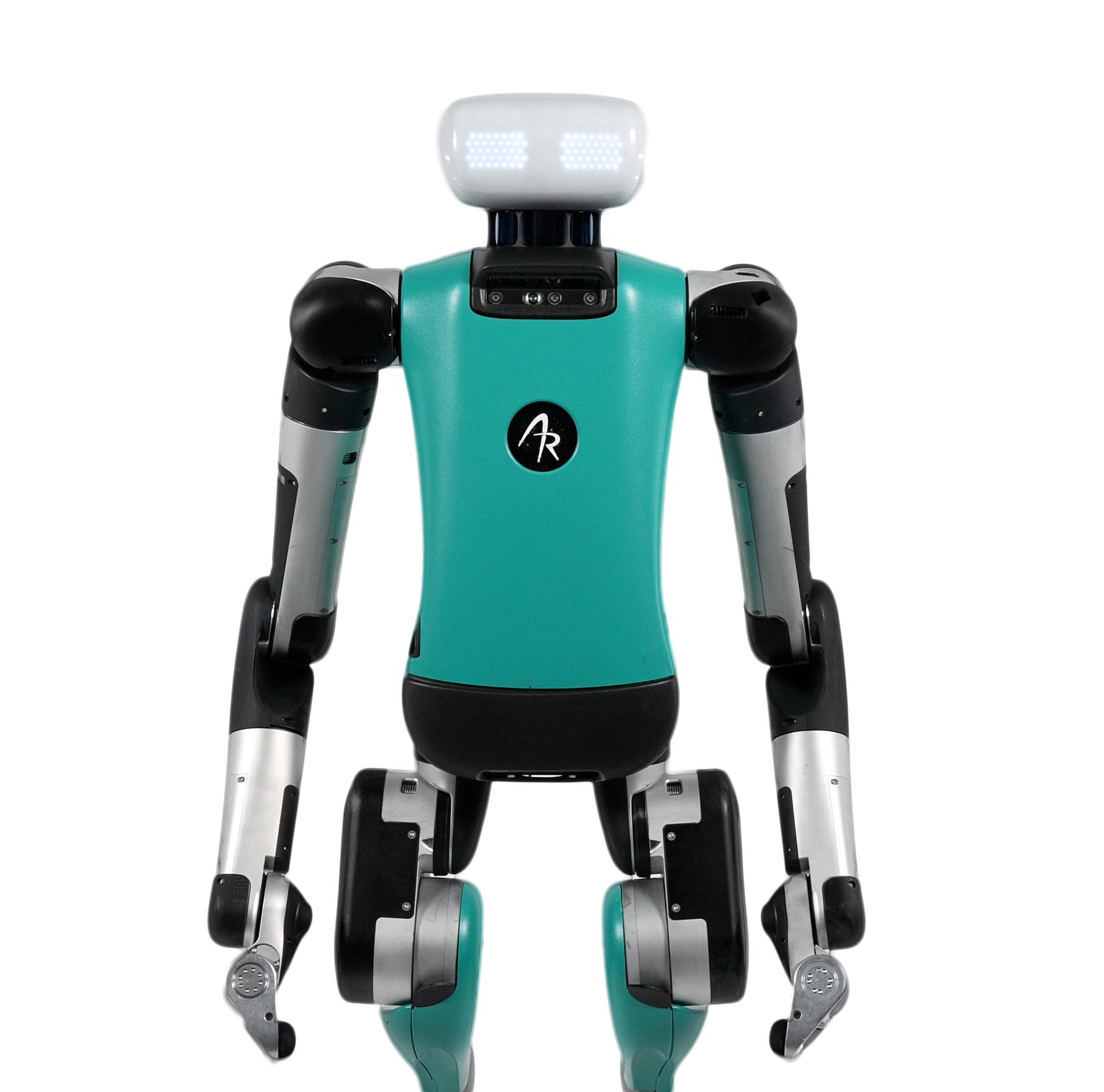
Executive summary Through 2025–26, humanoid robots moved beyond showrooms into structured pilot programs across logistics, discrete manufacturing, hospitals and eldercare. Vendors marketed machines as a bridge between mobile manipulators and full human labor — promising human-friendly form factors for aisles, stairs and existing human workstations. The reality on the ground is mixed: a handful of repeatable tasks (constrained pallet handling, light box manipulation, inspection rounds and patient-assist demonstrations) are producing measurable value in pilots, while high-variance tasks (unstructured picking, heavy patient lifting and complex assembly) remain out of reach without extensive engineering and cobot tooling. Which industries are deploying humanoids — and why Warehousing & logistics: Systems integrators and 3PLs trial humanoids to close small gaps in shift labor — e.g., box-to-carton transfers, conveyor handoffs, and trailer unloading in partner trials. Humanoids are attractive because they can navigate aisles and use existing human-centric slots and pallet jacks. Discrete manufacturing: Automotive suppliers and electronics assemblers pilot humanoids for repetitive subassembly, kitting, and inspection, where human-like reach and dexterity reduce fixture changes. Healthcare & eldercare: Hospitals and assisted-living facilities are running trials for non-clinical tasks (specimen transport, supplies restocking, mobility-assist demos) and controlled patient-assist scenarios under clinician supervision. Field services & inspection: Energy and utilities companies use humanoids for inspection walks in constrained vertical environments where wheeled robots struggle. Pilot programs and on-the-ground results (2025–26) Reporting for this piece combines vendor disclosures, public announcements through 2024, and interviews with program engineers, integrators and anonymous operations managers involved in 2025 pilots. The pilots tracked a common KPI set: task completion rate (units/hr), mean uptime (%), mean time between failures (MTBF), safety incidents, training/integration hours, and early unit-level economics. Warehouses — constrained manipulation and handoffs In multiple North American distribution centers, vendor pilots focused on box picking from pallet to conveyor and trailer unloading. Source reports indicate: Typical task: two-handed box transfer from pallet to conveyor, 8–12 kg boxes. Shift lengths: pilots ran 8–12 hour simulated shifts with scheduled battery/tool changes; practical continuous uptime averaged 70–85%. KPI outcomes: pilots frequently achieved ~40–60% of a human’s throughput on these constrained tasks but delivered predictable availability for night shifts, reducing reliance on temporary labor. "We treated the humanoid as a 'fill-in' worker for overnight pallet-to-conveyor work. It doesn't yet replace a team, but it smooths variability in our labor roster," said an anonymous operations manager at a Midwest 3PL running a multi-week Digit-style pilot. Manufacturing lines — kitting and repetitive subassembly At two auto-supplier pilot lines observed through integrator briefings, humanoids were used for repetitive kitting and torque-check inspection. Outcomes: Integration time: 6–12 weeks to safely integrate into a line, including safety fencing, custom end-effectors and PLC/ERP hooks. Tasks successful: small-part kitting (10–20% cycle time improvement when paired with fixture tooling), visually guided inspection rounds where the humanoid's height and reach reduced fixture redesigns. Tasks still failing: complex insertion tasks requiring force feedback and adaptability still required humans or hybrid robot-arms. Hospitals and eldercare — assisted mobility and logistics Trials in several medical centers and assisted-living facilities were cautious and heavily supervised. Pilots focused on non-clinical chores and mobility-assist prototypes. Use cases: linen/supply transport, guided patient transfer demos (with harnesses), and receptionist/companion roles. Safety metric: zero major incidents reported publicly in supervised trials; however, insurers and hospital risk teams mandated redundancy (human-in-loop) and limited autonomy levels. Human factors: frontline nurses and aides required only a few hours of training for daily interactions, but rehabilitation staff required specialized training for assisted transfers. How vendors are marketing and positioning their robots Agility Robotics (Digit): Positioned as a pragmatic logistics collaborator — marketed toward immediate dock and conveyor integrations. Public partnerships emphasize real-world pilots with automotive and logistics firms. Tesla (Optimus): Marketed as a general-purpose humanoid commercialized at scale. Vendors pitch broad future productivity gains; buyers express skepticism and are awaiting proven field performance beyond demos. Apptronik (Apollo): Focused on manufacturing and industrial safety cases — emphasizing torque-controlled joints and human-safe operation. Figure AI, 1X Technologies, Sanctuary AI, Xiaomi, UBTECH, Unitree, Boston Dynamics: Range from high-volume manufacturing ambitions (Figure) to consumer/hospitality demos (UBTECH, Xiaomi) and research platforms (Boston Dynamics' Atlas historically). Marketing emphasizes distinct niches — speed of iteration, human-grade manipulation, or platform reliability. Pricing, business models and buyer calculus Vendors present a mix of CapEx and robotics-as-a-service (RaaS) deals. Across pilots and vendor proposals: Indicative capital-equivalent pricing discussed in RFPs ranged widely — from low five-figure monthly subscription per unit to mid-six-figure purchase prices — depending on sensors, tooling and integration scope. Many vendors prefer a RaaS model covering maintenance, swapping of end-effectors and software updates; integrators reported total deployed cost of ownership dropping as tooling standardized. Early ROI signals were strongest where humanoids replaced predictable temporary labor (overnight shifts) or defrayed overtime costs — with pilots projecting payback on a 2–5 year horizon for constrained tasks. Operational learnings: uptime, safety and human-robot handoffs Uptime: Real-world uptime averaged 60–85% depending on battery life, perception robustness, and the maturity of tooling. MTBF remains lower than industrial arms used in fixed cells. Safety: No large-scale public safety incidents in supervised pilots, but near-misses prompted immediate software and policy changes. Common mitigations: geofencing, speed/force limits, redundant E-stops, and mandatory human-in-loop for patient-interaction tasks. Human-robot handoffs: Simple handoff tasks (place-to-place) worked reliably when standardized; more complex handoffs required custom grippers and vision retraining, increasing integration time. Training and change management: Facilities reported 2–6 weeks of classroom and shadowing sessions for frontline staff; successful programs assigned a "robot champion" on every shift to manage exceptions. Regulatory, insurance and safety barriers Hospitals and insurers demanded higher-certainty risk profiles. In manufacturing, OSHA-equivalent guidance and local regulators required documented hazard analyses and conservative safety zones. Insurance underwriters are offering pilot-specific endorsements rather than standard coverage, increasing early operating costs. Competitive comparison Platform Primary pilot use cases Strengths Typical weaknesses observed Agility Robotics (Digit) Warehouse handoffs, constrained box handling Proven biped mobility, integration-focused Payload/throughput limits vs. human teams Apptronik (Apollo) Manufacturing assist, inspection Torque-controlled joints, industrial safety focus Longer integration for complex tooling Tesla (Optimus) Broad-market claims; early demos High public visibility, scalable manufacturing promise Limited proven field deployments as of 2025 Figure AI / Sanctuary / 1X / Xiaomi / UBTECH Varied: R&D, hospitality demos, pilot logistics Niche strengths (manufacturing scale, consumer interaction) Maturity and integration breadth vary widely Boston Dynamics Research & custom solutions; non-humanoid commercial robots more common Robust mobility engineering, field-tested platforms Humanoid Atlas not a standard commercial option What tasks are proving industry-ready — and which are out of scope Proven-ready: constrained pallet handling, two-handed box transfers, inspection rounds, guided patient-assist demos, light kitting and repetitive visual inspection. Out of scope today: high-variance piece-picking in unstructured bins, heavy patient lifting without harnessed human backup, and complex force-sensitive assembly that demands millimeter-level compliance. Buyer's checklist Insist on vendor-provided MTBF and real pilot uptime data rather than demo metrics. Budget for 6–12 weeks of systems integration and custom end-effectors. Design pilots around constrained, repeatable tasks with clear KPIs (units/hr, % uptime, incidents/1000 hrs). Secure insurance endorsements and involve safety/risk teams early. Conclusion 2025–26 pilots show humanoids moving from laboratory promise to narrow-but-real industrial utility. The most valuable deployments are tightly scoped, paired with cobot tooling, and integrated under conservative safety regimes. Buyers evaluating scale should treat current machines as specialized labor supplements — not drop-in replacements — and prioritize pilots that generate verifiable throughput and uptime data.