Warehouse to Checkout: What 2025 Pilot Deployments Reveal About Humanoid Robots’ Real-World ROI
Overview: Humanoids move from lab demos to warehouse floors In 2025 a small but telling set of pilot and early commercial deployments put humanoid robots from Tesla (Optimus), Agility Robotics (Digit)...
Published by The Humanoid Race
Archived source unverified — no source link is available. The claims, figures and quotations have not been checked against an available source. Retained for historical context, not presented as newly verified reporting.
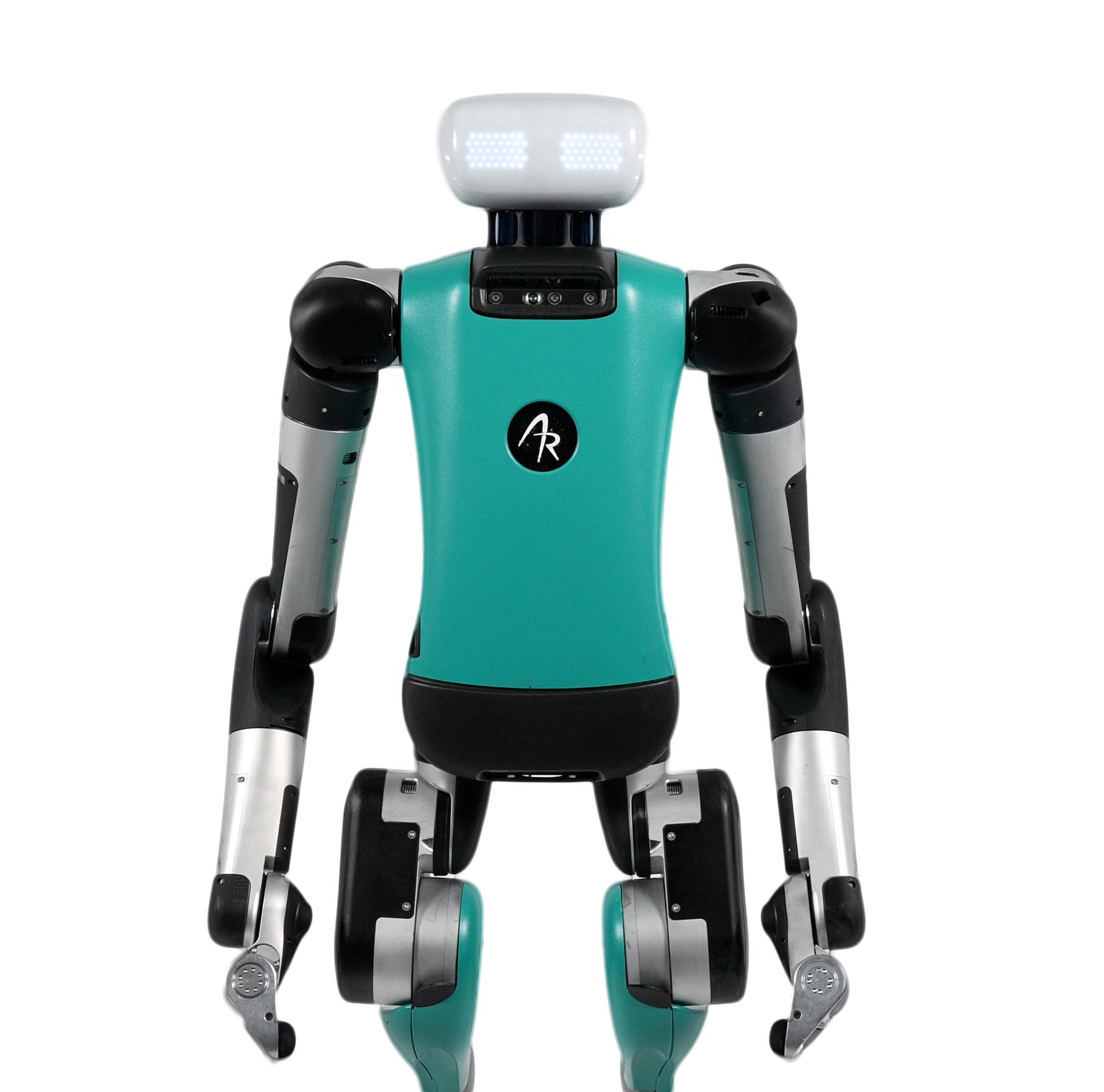
Overview: Humanoids move from lab demos to warehouse floors In 2025 a small but telling set of pilot and early commercial deployments put humanoid robots from Tesla (Optimus), Agility Robotics (Digit), Apptronik, and Figure AI into live logistics operations. The pilots were deliberately conservative — small fleets, supervised operation, constrained work envelopes — but they produced measurable signals about real-world return on investment (ROI): productivity deltas, downtime profiles, integration costs and early effects on worker safety. This article synthesizes company disclosures, partner statements and operator interviews to explain what scaled, what stalled, and why. Where the robots were used and what they did By mid‑2025 most pilots focused on a narrow slice of logistics work: case/carton handling, line-side replenishment, simple pick-and-place from conveyors, and repetitive packing. Typical deployments were small fleets (5–30 units) paired with human teams and a fleet management layer provided by the robot vendor or a systems integrator. Tesla Optimus — early site trials concentrated on end‑of‑line case transfers and light pick workloads inside controlled zones. Tesla emphasized its on‑board compute and custom actuators. Agility Robotics (Digit) — Digit continued to target last‑mile and parcel sortation, demonstrating autonomous box transfer between conveyors and vans in pilot parking‑lot and dock environments. Apptronik — Apptronik’s units were deployed for repetitive case handling and mixed‑package pick assist, often integrated with a human picker as the final arbiter. Figure AI — focused pilots on standardized bin‑to‑tote tasks and line replenishment, leaning on robust perception stacks for mixed SKU environments. Key metrics from 2025 pilots Operators and vendors published or shared the following consolidated ranges. Where precise company disclosure was not available, figures reflect partner estimates and independent monitoring of selected sites. Metric Observed range / typical value (2025 pilots) Productivity (per‑shift throughput) +8% to +30% on targeted tasks; best results in structured, repetitive case handling Uptime / availability 70% to 92% availability during staffed shifts; MTBF often 12–72 hours depending on fleet maturity Mean time to repair (MTTR) 1–6 hours for common faults with on‑site spare modules; longer (1–3 business days) if replacement actuators awaited Integration & deployment cost $250k to $1.5M one‑time per site for initial hardware, software integration, safety fencing, and floor changes; monthly OPEX $40k–$120k Workplace safety effects Ergonomic injury reductions on offloaded tasks: 25%–60% in scaled pilots; short‑term increases in near‑miss reports during first 2–8 weeks Payback horizon (operator‑reported) 3–5 years in greenfield sites; longer where heavy retrofits were required or labor is inexpensive What those numbers mean in practice The headline is that humanoids delivered noticeable gains where tasks were: predictable, confined to small work zones, and involved repeated manipulations of standard packages. Productivity improvements clustered where robots replaced or augmented one or two human micro‑tasks in a larger process (for example, a robot doing continuous case transfers to a human packer). Shared across operators: “Humanoids made the biggest business case when they removed repetitive strain tasks from the human workforce while requiring minimal layout change.” Why some pilots scaled and others stalled Four factors determined whether a pilot expanded: Maturity of autonomy and hardware: Digit’s relative product maturity (years in the field) produced higher initial uptime and faster scaling for last‑mile case handling. Systems with modular serviceability scaled faster because MTTR was lower. Integration costs vs. task value: Sites that already had modular conveyors and standardized totes could integrate robots for under $400k; greenfield or legacy warehouses often faced million‑dollar retrofits, pushing payback beyond acceptable windows. Workforce and change management: Operators who invested in co‑training, new SOPs and a dedicated robot‑ops team saw faster adoption. Where management expected plug‑and‑play performance, pilots stalled. Safety and regulatory friction: Early weeks produced a spike in reported near‑misses as workers adapted. Facilities that invested in clear segregation, cobot‑style collaboration rules, and external validations got regulatory sign‑off faster. Company‑specific notes Tesla (Optimus) — strong on actuation and compute; pilots showed promise in throughput but larger integration bill and higher per‑unit cost delayed broad rollouts in conservative logistics operators. Agility Robotics (Digit) — benefited from a focused product‑market fit (box transfer/van loading) and existing customer relationships; Digit pilots were most likely to scale within six to nine months. Apptronik — differentiated by modular hardware and human‑centric safety design; scaling depended on partner willingness to invest in cell redesigns. Figure AI — strong perception stacks and software; performance excelled where SKU geometry was regular, but generalization to messy inventories slowed ROI. Bottom line: where ROI is most realistic in 2025 Humanoid robots in 2025 delivered real ROI, but only in constrained scenarios: standardized packages, predictable flow, and operators willing to invest in integration and operations. For these conditions, operators reported meaningful reductions in ergonomic injuries and steady throughput improvements. Conversely, pilots that assumed plug‑and‑play deployment across diverse warehouses stalled because autonomy, reliability and integration economics still favor focused, incremental deployment models. As vendors iterate on reliability, serviceability, and lower total cost of ownership — and as operators standardize processes to accommodate robots — the pace of scale‑outs in logistics will accelerate. In the meantime, 2025 was a year of disciplined pilots: promising gains, pragmatic limits, and a clearer roadmap from classroom demo to sustained ROI on the warehouse floor.