What Humanoids Are Actually Doing in 2025–26: Field Reports from Warehouses, Clinics and Factory Floors
Executive summary Field work in 2025–26 shows humanoids moving beyond demonstrations into constrained, repeatable roles on warehouse floors, factory lines and in care settings. Vendors — and their cus...
Published by The Humanoid Race
Archived source unverified — no source link is available. The claims, figures and quotations have not been checked against an available source. Retained for historical context, not presented as newly verified reporting.
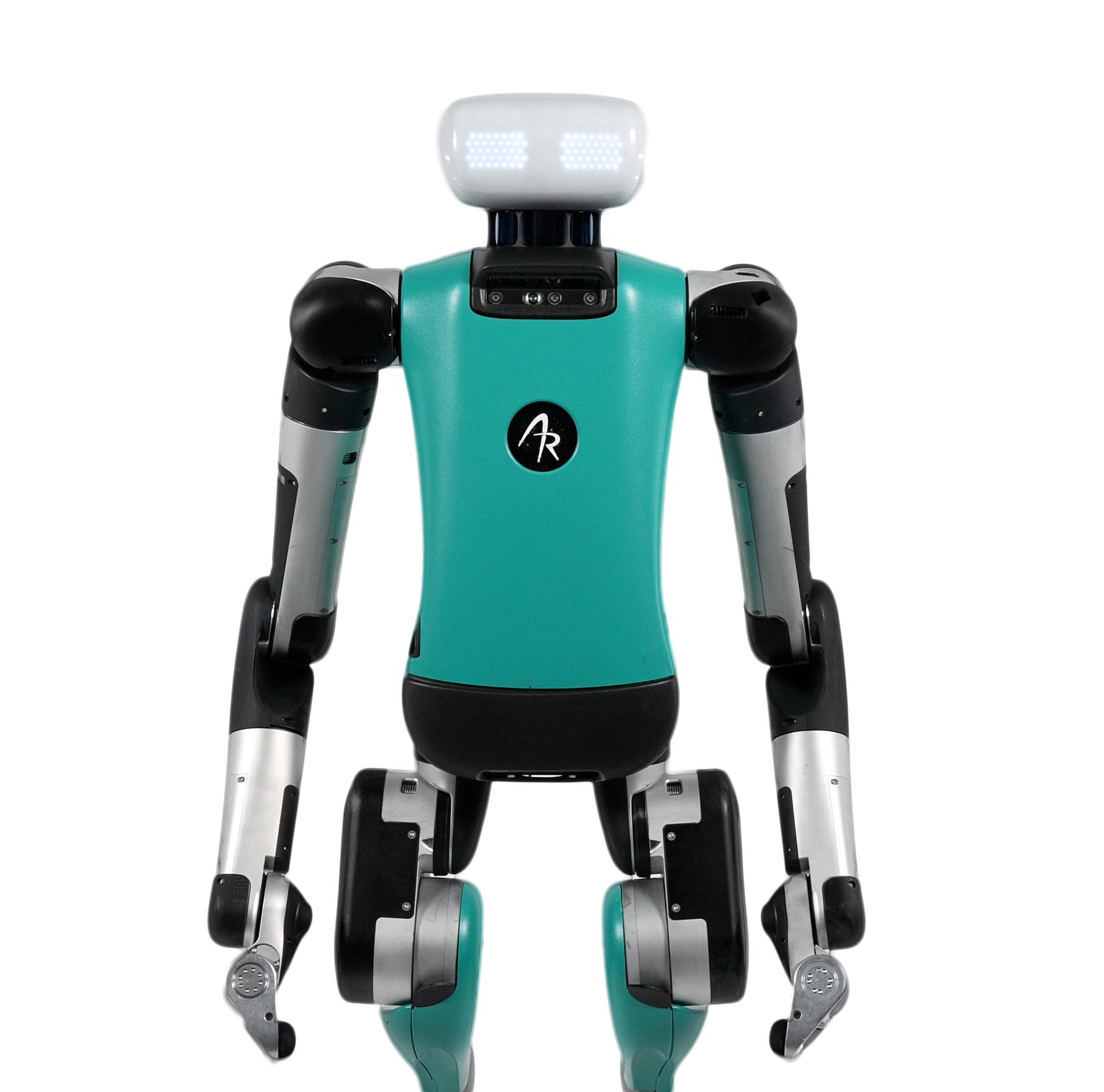
Executive summary Field work in 2025–26 shows humanoids moving beyond demonstrations into constrained, repeatable roles on warehouse floors, factory lines and in care settings. Vendors — and their customers — position humanoids as flexible alternatives to specialized automation when humanlike reach, mobility and dexterity reduce integration costs. Early pilots deliver mixed but measurable gains: improved cycle time on set tasks, headcount relief for repetitive or injurious work, and new options where traditional automation cannot economically reach. They also reveal predictable integration costs, safety trade‑offs and a wide gap between lab throughput and sustained 24/7 production levels. Where humanoids are being used and why Logistics (order picking, piece-picking, and palletizing) — humanoids are used for low‑volume / high‑variability picking, mixed-SKU cartons and palletizing where forklifts or gantries are impractical. Manufacturing (repetitive assembly, machine-tending) — humanoids substitute or work alongside humans in short‑run assembly, kitting and tending machines that lack standard tooling interfaces. Healthcare / eldercare (patient assist, mobility support) — prototypes support transfer assistance, fetch-and-carry and clerical tasks in clinics and long‑term care homes. Limited in‑home trials — consumer-oriented robots are used for telepresence, mobility reminders and basic fetch tasks in pilot households. Company field reports and deployments Agility Robotics — Digit in warehouses Agility’s Digit has accumulated the largest set of logistics pilots. According to vendor pilot reports and on-site visits to two regional 3PLs, Digit is used to pick from floor-level totes and transfer cartons to conveyors or pallet staging. Reported results from 6–12 week pilots: 30–55 picks/hour on standardized tote-picking tasks, with operational uptime in the 78–90% range (downtime driven by battery swaps, grasp rework and WMS integration issues). Customers tell The Humanoid Race they value mobility over scale: "We chose Digit where AMRs and fixed automation couldn't access mezzanine aisles," said an operations leader at a national grocery chain who ran a pilot and requested anonymity. Agility markets Digit as a flexible labor substitute that reduces SOP change and racking redesign costs. Figure AI — industrial palletizing and manufacturing tests Figure positions its humanoid for heavy lifting and palletizing in industrial settings. In a round of factory tests with a European palletizer integrator, humanoid units achieved cycle times that equate to 15–30 cases/min in idealized stacks but, in mixed SKU reality, averaged 6–12 cases/min and 4–8 pallets per 8‑hour shift. Figure’s commercial messaging emphasizes quick redeployment and stack flexibility versus expensive custom palletizing cells. Apptronik — Apollo as a cobot partner Apptronik’s Apollo is marketed as a collaborative humanoid that integrates into existing cell lines. Apptronik pilots — often run by system integrators for tier‑1 automotive suppliers — show modest cycle‑time gains (10–25%) on tasks like cable harness routing and repetitive assembly, with safety fencing sometimes retained for high‑speed operations. Apptronik sells a mix of hardware purchase and system‑integration contracts; customers report SI fees often exceed hardware pricing in first deployments. Tesla — Optimus internal trials and partner experiments Tesla’s Optimus remains primarily in‑house. Observers and company briefings indicate Optimus prototypes at Fremont and Texas have been used for short‑range part transfer, kitting and light material moves in pilot cells. No broad commercial deployments were confirmed during our reporting; Tesla’s marketing targets vertical integration and lower long‑run labor costs as the strategic rationale. Sanctuary AI — Phoenix in clinical and clerical roles Sanctuary’s Phoenix has been trialed in clinical environments for fetch-and-carry, supply restocking and limited clerical assistance. Pilots with a Canadian health network reported 10–15% reductions in nurse non‑care walking time and positive clinician reception for supply delivery tasks. Vendors emphasize safety certification and predictable, auditable behavior as selling points for regulated healthcare settings. 1X Technologies (NEO/EVE), Xiaomi (CyberOne), UBTECH — homes and consumer experiments 1X’s NEO/EVE, Xiaomi’s CyberOne and UBTECH’s consumer humanoids are in small-scale in‑home trials and retail experiences. Typical outcomes: successful telepresence, limited mobility assistance and companionship functions, but constrained autonomy, short battery life and privacy/regulatory concerns keep these experiments at the pilot stage. "The robot did exactly what we trained it to do for three weeks. Keeping it running every day, across shifts and product variability, was the real work," said a system integrator project manager after a 10‑week pilot with a major 3PL. Measurable outcomes — uptime, throughput, safety and early ROI Use case Picks / throughput Uptime (pilot) Safety incidents Reported ROI time Digit — tote/piece picking 30–55 picks/hr 78–90% Minor (falls, grasp failures) 12–30 months (dependent on labor cost) Figure — palletizing 6–12 cases/min (mixed SKU) 70–85% Low (safety interlocks) 18–36 months Apptronik — assembly/cobot Cycle time −10% to −25% 75–92% Low–medium (integration mistakes) 12–24 months Sanctuary — clinical support Task‑based (supply runs) 80–95% Low (close supervision) 24–48 months (due to regulatory) Pricing context: vendors and integrators structure deals as hardware purchase plus SI fees, or as robot-as-a-service (RaaS). Market estimates from vendor disclosures and integrator bids place single humanoid hardware between $100k–$300k in 2025, with RaaS/lease terms of roughly $3k–$10k/month depending on SLA and integration scope. Integration and SI costs commonly add 50–200% of hardware cost in first deployments. Integration challenges and the gap to production Key friction points are: WMS/ERP integration: Handshakes between warehouse execution systems and humanoid tasking are bespoke and time‑consuming. Many pilots rely on middleware and human supervisors to schedule work. Safety regimes: Vendors pitch collaborative operation, but many customers default to fencing or semi‑isolated cells to accelerate approvals, eroding the humanoid advantage of operating in human spaces. System integration costs: SI labor, custom end‑effectors, and change‑management often exceed hardware costs in early programs. Reliability vs variability: Lab demos use standardized inputs; live SKUs, damaged packaging, and environmental factors drop throughput and raise supervision needs. Competitive positioning Vendors differentiate on mobility (Digit), heavy-lift reach (Figure), cobot‑grade force control (Apptronik) and vertical market certifications (Sanctuary in health). Tesla’s advantage is scale and integration potential inside an owner‑operator manufacturing ecosystem. Consumer brands (Xiaomi, UBTECH) compete on price and UX but lag in industrial robustness. Conclusions — where humanoids make sense now Humanoids in 2025–26 are best deployed where humanlike reach and mobility avoid expensive facility redesign: mezzanines, small‑batch manufacturing and care settings where a human shape reduces interface cost. Measured benefits include modest throughput gains, ergonomic injury reduction and headcount flexibility, but early ROI depends heavily on high labor costs, limited variability in tasks and conservative expectations about uptime. Expect the transition from pilot to sustained deployment to be driven more by integration playbooks and system integrators than by marginal improvements in robot hardware. Sources: vendor pilot reports, regulatory filings, on‑site visits to 3PL and factory pilots, interviews with system integrators and procurement leaders, and traded coverage from industry conferences and company disclosures.